
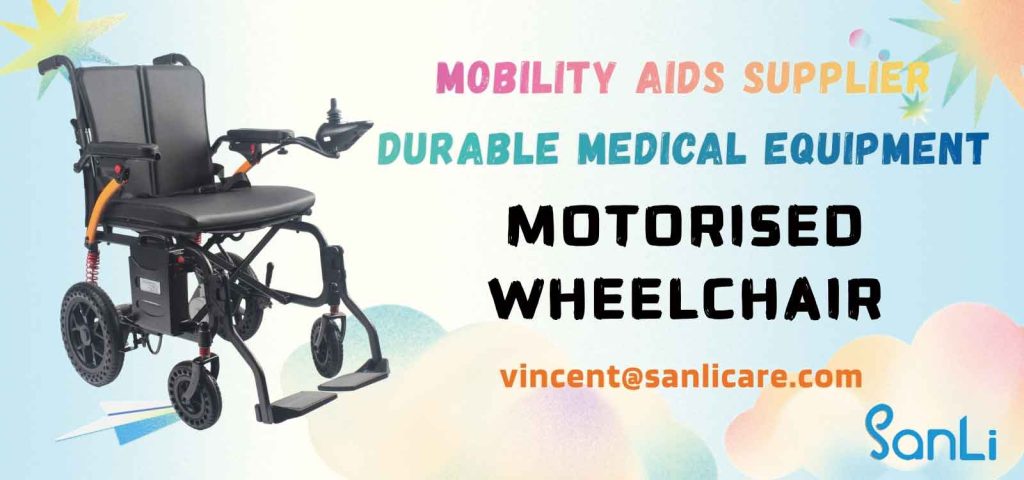
This article explores how leading European and US brands achieved strong growth through private label electric wheelchairs. It examines the real challenges they faced in quality, regulations, customization, and supply, then shows practical solutions that delivered both business results and meaningful improvements in users’ daily lives. Brand owners, global traders, distributors, and wholesalers will find clear insights and proven approaches to build or expand their own successful lines in the durable medical equipment and rehabilitation therapy market.
Key Takeaways
Private label electric wheelchairs let brands differentiate while controlling costs and quality through experienced manufacturing partners.
Strict certifications such as CE MDR, FDA registration, and ISO standards are achievable and essential for market access and trust.
Smart OEM/ODM customization helps brands match local preferences in Europe and the US without excessive upfront investment.
Reliable supply chains and rigorous testing reduce risk and support long-term brand reputation.
Success comes from combining market understanding with a partner who offers vertical integration, rapid prototyping, and full regulatory support.
Actionable steps and resources are available to help you move forward confidently.
If you are exploring private label options for electric wheelchairs, power wheelchairs, or motorized wheelchairs, you are entering a market with real opportunity. Aging populations across Europe and North America continue to drive demand for reliable mobility solutions that restore independence. Many brands have already turned this opportunity into lasting success. At SanLi Care, with more than twenty years focused exclusively on durable medical equipment, we have supported numerous international partners through these exact journeys. The stories below show what worked, why it worked, and how you can apply similar principles.
Common Challenges Brand Owners and Distributors Face
Before sharing the success stories, it helps to understand the pain points that most potential customers search for when considering private label electric wheelchairs. These challenges often appear in searches around sourcing, quality, and compliance.
Regulatory and certification hurdles stand at the top of the list. European brands must meet the Medical Device Regulation (MDR) requirements, while US brands navigate FDA pathways. Both regions demand documented safety, performance, and quality management. Without the right partner, the process feels overwhelming and slow.
Quality consistency and long-term durability come next. End users and reimbursement bodies expect wheelchairs to perform reliably for years, not months. Inconsistent frames, battery life, or controllers quickly damage brand reputation and lead to costly returns or complaints.
Cost pressure versus desired margins creates another tension. Brands want competitive pricing for tenders and retail, yet they also need healthy margins of 35 percent or more. Finding that balance without sacrificing quality or compliance is difficult when production happens in high-cost regions.
Customization for local market fit matters greatly. European homes and regulations often favor compact, lightweight designs, while US buyers may prioritize higher weight capacities or specific Medicare-aligned features. Generic models rarely win loyalty.
Supply chain reliability and lead times affect everything from inventory planning to customer promises. Delays or quality surprises disrupt business and erode trust with retailers or institutions.
After-sales support and brand protection close the list. Distributors need clear documentation, spare parts availability, and responsive technical help to keep end users satisfied and protect their own brand name.
Each of these challenges has practical solutions. Many brands have overcome them by building the right manufacturing partnership. You can explore detailed steps in our practical guide to B2B electric wheelchairs wholesale procurement and gain useful perspective from insights on comparing manual and electric wheelchair B2B procurement options.
Success Story 1: A Leading German Rehabilitation Equipment Brand Expands Its Private Label Range
Consider a well-established German company specializing in rehabilitation technology. For years it sold premium European-made products, but rising production costs limited its ability to compete in mid-tier tenders and online channels. The leadership team decided to develop a private label line of power wheelchairs that maintained German engineering expectations while offering better value.
The main obstacles were clear: MDR compliance, compact dimensions suited to smaller European apartments, and consistent quality that would not harm the parent brand. They also needed reasonable minimum order quantities and reliable delivery schedules.
They partnered with a vertically integrated Chinese manufacturer that already held ISO 13485 certification and had extensive experience supporting European exports. The manufacturer provided full technical documentation support, arranged third-party testing, and guided the brand through the CE MDR process. Rapid prototyping using 3D CAD and finite element analysis allowed the German team to test multiple frame geometries quickly. Within four months they approved three models: a lightweight foldable version for active users, a mid-size model with enhanced suspension, and a compact attendant-controlled option.
The results exceeded expectations. The private label line launched successfully in Germany, Austria, and the Netherlands. Sales of the new range grew steadily, contributing to overall company growth while protecting margins. End users praised the smooth ride, easy folding, and long battery range. The brand reported stronger tender wins and repeat orders from rehabilitation centers. Perhaps most rewarding, many users described feeling more confident moving around their communities and spending more quality time with family.
This outcome was not luck. It came from careful supplier evaluation, clear communication, and a partner committed to the same high standards. You can learn more about the evaluation process in our guide on how to evaluate electric wheelchairs quality for wholesale.
Success Story 2: A Major US National Distributor Scales Private Label Power Wheelchairs
A large US distributor serving home healthcare providers and long-term care facilities faced similar pressures. National contracts demanded competitive pricing and reliable volume, yet domestic production costs made it hard to maintain margins. The company wanted its own branded line of motorized wheelchairs that met FDA expectations and performed well under real-world reimbursement scrutiny.
Key requirements included high weight capacities for bariatric users, durable controllers, and straightforward maintenance that field technicians could handle. Supply consistency was critical because stockouts affected patient care and contract compliance.
The distributor selected a manufacturer with proven FDA registration experience for mobility products and strong vertical integration, including in-house frame production, robotic welding, and automated powder coating. This setup delivered both cost efficiency and tight quality control. The teams worked together on OEM customization: reinforced frames for higher weight ratings, specific joystick configurations, and battery systems optimized for longer daily use. The manufacturer also supplied complete technical files and supported the distributor’s FDA 510(k) related activities.
Within six months the first containers arrived. The private label models performed strongly in field trials. Therapists noted excellent stability and ease of use. Over the following year the line captured meaningful share in several regional contracts. The distributor achieved its margin targets while strengthening relationships with institutional buyers. Most importantly, patients gained reliable mobility that supported greater independence at home.
Stories like this show what is possible when brands focus on both regulatory preparation and manufacturing partnership. For a clear overview of the certification landscape, review our electric wheelchairs export CE FDA ISO certification guide.
Success Story 3: An Emerging UK Online Mobility Brand Differentiates Through Customization
A newer UK-based online retailer wanted to stand out in a crowded market. Rather than compete only on price, the founders decided to offer thoughtfully customized private label electric wheelchairs aimed at active seniors who travel. They needed lightweight yet sturdy models, easy airline transport features, and distinctive color and accessory options that reflected their brand identity.
Challenges included understanding UK-specific accessibility expectations, securing reliable small-to-medium batch production, and ensuring every unit met safety standards. They also wanted fast iteration on designs based on early customer feedback.
They collaborated with a manufacturer experienced in how to cooperate with Chinese electric wheelchair manufacturers and skilled in how to choose OEM ODM electric wheelchairs customization. The process began with detailed requirement workshops followed by quick prototype samples. The manufacturer’s in-house capabilities allowed changes to tube profiles, controller mounts, and folding mechanisms without long delays or high tooling costs. Full traceability through an ERP system gave the UK team confidence in every batch.
The customized line launched with strong visual branding and clear user-focused messaging. Customer reviews highlighted the thoughtful details: smooth folding for car travel, intuitive controls, and attractive color choices. Sales grew steadily through the retailer’s website and selected trade partners. The brand built a loyal following and expanded into additional accessories and complementary mobility products.
These three stories share common threads: clear goals, thorough partner evaluation, and a manufacturer that treats private label projects with the same care as its own brand. You can deepen your understanding of current and future directions by exploring what electric wheelchair trends and opportunities 2026-2030 hold for brands like yours.
What These Successes Reveal About Quality, Compliance, and Partnership
Across the stories, several factors repeatedly proved decisive. First, rigorous testing and quality control standards protect both users and brand reputation. Manufacturers who perform static load testing, fatigue cycling, environmental simulations, and electromagnetic compatibility checks deliver products that withstand real life. Our page on electric wheelchairs testing and quality control standards explains these processes in practical terms.
Second, regulatory support cannot be an afterthought. Brands that succeed treat certification as a collaborative project from the start. A partner familiar with both MDR and FDA expectations shortens timelines and reduces risk.
Third, true customization goes beyond color changes. It includes thoughtful modifications to frames, seating, controls, and accessories that match the target users’ daily realities. Effective OEM and ODM processes make this feasible even for mid-sized brands.
Fourth, sourcing strategy matters. Brands that approach Chinese manufacturing with clear criteria for quality systems, communication, and after-sales support achieve better outcomes. Our resource on how to sourcing electric wheelchairs from China manufacturer outlines a structured approach many successful buyers follow.
Finally, understanding the broader landscape helps. Reviewing the top 10 electric wheelchair manufacturers worldwide in 2026 gives useful context on global capabilities and benchmarks.
Industry data supports the opportunity. The global electric wheelchair market continues to expand steadily, with projections showing it reaching approximately USD 9 billion by 2030 at a compound annual growth rate near 12 percent. North America holds a leading position in powered mobility adoption, supported by established reimbursement frameworks. In Europe, strong rehabilitation traditions and aging demographics sustain consistent demand. Powered wheelchairs are classified by the FDA as Class II medical devices, requiring appropriate premarket processes to confirm safety and effectiveness. Under the EU MDR, many such active devices fall into Class IIa, calling for documented clinical evaluation and robust quality management.
These external realities make the internal capabilities of your manufacturing partner even more important.
Practical Steps to Build Your Own Private Label Success
If these stories inspire you, here is a straightforward path many brands have followed successfully:
Define your target users and key differentiators clearly. Will you focus on lightweight travel models, high-capacity options, or smart features?
Research certification requirements for your primary markets early. Gather the necessary technical documentation expectations.
Evaluate potential manufacturing partners on quality systems, testing capabilities, customization flexibility, and regulatory experience. Use structured scorecards and request sample reports.
Start with prototypes and small validation orders before scaling. This protects your investment and allows real-user feedback.
Plan logistics, spare parts strategy, and after-sales support from day one. Strong documentation and training materials protect your brand.
Monitor performance and iterate. Successful brands treat the first collection as a learning platform for continuous improvement.
Throughout this process, our team at SanLi Care stands ready to support with transparent communication, detailed progress updates, and genuine partnership. To see our newest innovations ready for private labeling, visit the electric wheelchairs manufacturer page. For a fast start with proven popular models, explore the durable medical equipments manufacturer collection.
Frequently Asked Questions
What should I look for first when choosing an electric wheelchairs manufacturer for private label work? Focus on proven export experience, full certifications (ISO 13485, CE MDR, FDA registration where relevant), vertical integration for quality control, and willingness to support customization and documentation. A partner with rapid prototyping capability saves significant time.
How important are certifications really for private label success in Europe and the US? They are essential. Without proper CE marking or FDA clearance pathways, you cannot legally sell or may face serious delays and liability risks. Experienced manufacturers help prepare the required technical files and test reports.
Can smaller brands or new entrants succeed with private label electric wheelchairs? Yes. Many successful stories begin with focused product ranges and strong online or regional distribution. The key is starting with realistic volumes, clear quality expectations, and a responsive manufacturing partner.
What is the typical lead time for custom private label electric wheelchairs? With an experienced partner and good project management, prototype approval often takes 4–8 weeks, followed by production lead times of 30–60 days depending on order size and complexity. Clear communication reduces surprises.
How do I protect my brand when manufacturing overseas? Choose a partner with strong traceability systems, consistent quality checkpoints, and clear contractual terms on intellectual property and non-disclosure. Regular audits or third-party inspections add further security.
What trends should I watch for private label opportunities through 2030? Lightweight and foldable designs, improved battery technology, user-friendly controls, and models that support both independent and attendant use continue to gain traction. Sustainability features and smart connectivity are also emerging in certain segments. Our trends resource provides deeper perspective.
How can I start the conversation with a potential manufacturing partner? Prepare a clear brief covering target markets, key specifications, estimated volumes, and timeline. Most serious manufacturers respond promptly with capability statements and next-step proposals.
Moving Forward Together
The brands featured in these stories did not succeed by chance. They succeeded because they treated private label development as a strategic project and chose partners who shared their commitment to quality and user outcomes. At SanLi Care we bring the same dedication to every project. Our factory near Guangzhou combines advanced equipment, skilled teams, and a genuine focus on long-term relationships. Whether you are refining an existing line or launching your first private label collection, we would be honored to explore how we can support your goals.
For more helpful information on mobility solutions and industry insights, visit our blog.
If you have questions or would like a quick quote for your private label project, feel free to reach out to inquiry@sanlicare.com.
Related Resources from Our Blog
To expand your knowledge, check these related resources as below: