
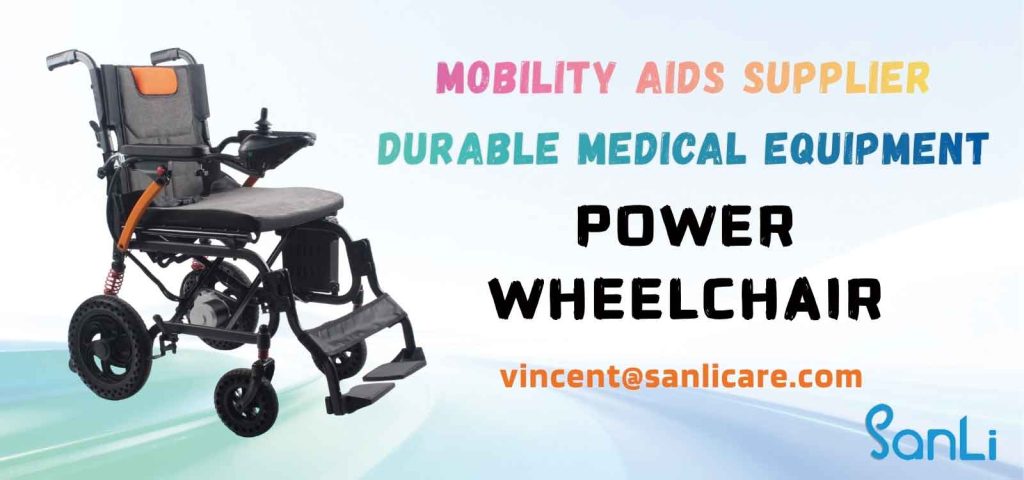
When choosing OEM/ODM Electric Wheelchairs, it’s important to align your decision with your business goals. OEM allows you to brand electric wheelchairs manufactured specifically for you, while ODM offers ready-made designs that can be customized to your requirements. Most electric wheelchairs are sourced from experienced Asia suppliers like SanLi Care, known for fast delivery, reliable supply chains, and international certifications. To Select Right DME Products For You, ensure your rehabilitation equipment partner has robust quality control and a proven track record. Consider factors such as cost, intellectual property protection, and production capabilities. Don’t forget to evaluate after-sales support and mobility solutions tailored to your rehabilitation needs. For more insights, visit the SanLi Care Blog, where You May Know More about our products and services. Ready to take the next step? Get Quick Quote today and discover how SanLi Care can support your business with premium OEM/ODM Electric Wheelchairs.
Key Takeaways
Learn the difference between OEM and ODM. OEM lets you fully customize your wheelchair. ODM gives you faster, ready-made choices.
Think about your business goals first. Decide if you want a special design with OEM. Or pick ODM for a quicker and cheaper option.
Look at the minimum order quantity. OEM usually needs bigger orders. ODM lets you buy fewer wheelchairs. This is good for new businesses.
Check for international certifications. Make sure the wheelchairs meet safety rules like ISO and CE. These help your product get accepted in the market.
Review the supplier’s after-sales support. Good support means warranties, technical help, and spare parts are available.
Ask for samples before you buy a lot. Testing samples helps you check the quality and comfort of the wheelchairs.
Talk clearly with your manufacturer. Tell them your customization needs and what you expect. This helps avoid confusion.
Plan for long-term value. Focus on good product quality and reliable support. This helps you build a strong reputation in the wheelchair market.
OEM/ODM Electric Wheelchairs: Customization Models
OEM Customization Overview
If you pick OEM for electric wheelchairs, you work with a manufacturer to make a wheelchair from your own ideas. OEM means original equipment manufacturer. This way, you get to decide how the wheelchair looks and works. You can pick the materials, change the size, and add special features for your customers.
Many companies like OEM because they can have their own designs and strong brands. You can ask for special patterns, colors, or packaging. This is a good choice if you want to sell a new wheelchair or reach a certain group of people. You can also get a patent to protect your design.
SanLi Care has been an OEM provider for over 20 years. You get help from their modern machines, ISO-certified steps, and a skilled team. They help you make samples fast and build good wheelchairs.
Tip: OEM electric wheelchairs need you to order more and wait longer, but you get a wheelchair that is just what you want.
Common OEM customization options for wheelchairs include:
Personalized patterns and motifs
Custom frame materials and finishes
Adjustable seat widths and heights
Unique control systems
Branded packaging and manuals
ODM Customization Overview
ODM means original design manufacturer. Here, you pick from electric wheelchairs the factory already makes. You can change small things, like the logo, colors, or add accessories. This helps you start selling fast and spend less money at first.
You do not need to pay for new molds or wait a long time. The factory checks the rules and tests the wheelchairs, so you can focus on selling. ODM electric wheelchairs are good if you want to try new markets or add more products with less risk.
SanLi Care has many ODM models. You get their help with design, quality checks, and certifications. Their team helps you make the wheelchair fit your brand and what your customers want.
Note: ODM customization is quick and flexible, but other brands might use the same main design.
Key Differences
You should know the big differences between OEM and ODM electric wheelchairs before you choose. The table below shows how the two models are not the same:
| Feature | OEM (Original Equipment Manufacturing) | ODM (Original Design Manufacturing) |
|---|---|---|
| Design Ownership | You own the design and specifications. | Factory has a proven platform; you configure it. |
| Time to Market | 12–24 months for new designs. | 3–6 months using existing designs. |
| Tooling Costs | High, can exceed USD 100,000. | Zero to minimal, using existing molds. |
| Minimum Order Quantity | 200–500 units per model per year. | 50–100 units per model, with mixed-model containers possible. |
| Compliance | Requires new testing and documentation. | Factory provides existing compliance documentation. |
| Brand Differentiation | Allows for exclusive design ownership and patenting. | Competing brands may offer similar products at different prices. |
SanLi Care is a leader in the oem/odm electric wheelchairs field. You get their long experience, strong certifications, and great customization services. Their team uses special tools to make sure every wheelchair is high quality.
Picking OEM or ODM depends on your goals, money, and time. If you want a special wheelchair and full control, OEM is best. If you want something fast and cheaper, ODM is a good choice.
Pros and Cons
When you pick oem/odm electric wheelchairs, you should look at the good and bad sides of each model. Knowing these points helps you choose what is best for your business.
OEM Pros:
You get to decide how the wheelchair looks and works. You can make a wheelchair that matches your brand and fits your customers.
You have special rights to your product. You can keep your design safe and build a strong brand.
You can ask for cool features or special materials. You set your own rules for quality.
OEM Cons:
You spend more time and money. Making a custom wheelchair costs more and takes longer.
You must order more wheelchairs at once. This is better for big companies or those who sell a lot.
You need to do more tests and follow rules. You must check that your wheelchair meets all laws.
ODM Pros:
You can sell wheelchairs fast. You use designs from the original design manufacturer and change them for your brand.
You save money on making new molds. You do not pay extra for tools or molds.
You use the manufacturer’s certifications. You can trust their checks and rules.
ODM Cons:
Other brands use the same main design. Your wheelchair may look like others in stores.
You cannot change much. You can pick colors, logos, or add accessories, but not change the main parts.
You may have to compete on price. Other companies may sell similar oem/odm electric wheelchairs for different prices.
Tip: If you want a wheelchair that is special and want full control, OEM is the best choice. If you want to sell quickly and take less risk, ODM is a smart way.
The table below shows the main good and bad points for each model:
| Model | Pros | Cons |
|---|---|---|
| OEM | You control design, special branding, advanced features | Costs more, takes longer, bigger orders, more rules |
| ODM | Fast launch, cheaper, trusted quality | Shared design, less change, price competition |
You can use this list to pick which model is right for your business. SanLi Care helps with both OEM and ODM customization. They help you get the most value and work better in the oem/odm electric wheelchairs market.
Cost Analysis
Upfront Costs
You need to understand the upfront costs before you start working with an OEM or ODM manufacturer. When you order an electric wheelchair, the initial investment depends on your customization needs and the order size. If you choose OEM, you may pay for design, tooling, and sample production. These costs help you create a unique wheelchair that fits your brand and market. For ODM, you usually pay less upfront because you use existing designs with minor changes.
SanLi Care offers a clear sample policy. You can request a sample to check the quality before placing a large order. The sample cost and shipping fee are paid first, but you can get a refund for these costs when you confirm a bulk order. This helps you reduce risk and test the product before making a big commitment.
Pricing Models
You will see different pricing models in the wheelchair market. Most manufacturers use a tiered pricing system. The price per unit drops as your order size increases. For small orders, you pay a higher price per wheelchair. For larger orders, you get a discount. This model rewards you for buying in bulk and helps you manage your budget.
SanLi Care uses transparent pricing. You receive a detailed quote that shows the unit price, minimum order quantity, and payment terms. For bulk orders, you pay a 30% deposit and the rest before shipment. This structure gives you control over your cash flow and helps you plan your business.
Order Size Impact
Order size has a big impact on your total cost. The minimum order quantity (MOQ) sets the lowest number of wheelchairs you can buy in one order. Higher MOQs lead to lower per-unit costs. This means you save money when you order more. Factories often require at least 100 units for OEM customization. For ODM, you can start with smaller orders, but the price per wheelchair will be higher.
Here is a table to show how MOQ affects per-unit cost:
| MOQ Range | Per-Unit Cost Impact | Notes |
|---|---|---|
| 1–20 units | Highest per-unit cost | Standard off-shelf models with no tooling fees. |
| 20–50 units | Lower per-unit cost | Custom builds with minimal modifications. |
| 100–500+ units | Significantly lower per-unit cost | Required for structural or motor-level customization to spread tooling costs. |
Higher MOQs lower your per-unit cost and total landed cost.
Factories need a minimum order to schedule production efficiently.
Volume discounts can save you up to 10% when you order 100 units instead of 20.
You should always balance your budget, storage space, and sales forecast when deciding your order size. This approach helps you get the best value and maintain high quality for your wheelchair business.
Long-Term Value
When you buy OEM or ODM electric wheelchairs, think about more than just the first price. Long-term value is important for your business to grow and be trusted. You want wheelchairs that last a long time, help from the company, and costs that do not change too much.
Key things that affect long-term value are:
Product Quality: You need wheelchairs made with strong materials and good parts. This means your customers get wheelchairs they can use for many years. Good frames and motors break less and cost less to fix. SanLi Care checks quality carefully and follows world rules to make sure every wheelchair works well.
Pricing and Wholesale Terms: You save money when you buy more at once. Big orders often mean lower prices, so you make more profit. SanLi Care shows prices clearly and gives better deals to buyers who come back. This helps you plan your money and know what you will spend.
International Certifications: You should pick wheelchairs that have CE, FDA, and ISO certificates. These show the wheelchairs are safe and good quality. With these, you can sell in many countries and your customers feel safe. SanLi Care’s electric wheelchairs have these certificates, so you can sell them in hospitals, clinics, and stores around the world.
After-Sales Service: You need help after you buy, so your business keeps working well. Getting spare parts and tech help fast lets you fix problems quickly. SanLi Care gives good after-sales service, like training, spare parts, and help with selling. This makes your customers trust you and helps your business grow.
Tip: Always ask about warranty and spare parts before you choose a supplier. Good after-sales service keeps your money safe and your customers happy.
When you look at OEM and ODM, think about which one matches your long-term plans. OEM lets you control how your wheelchair looks and feels, so you can stand out. ODM helps you start faster and try new ideas with less risk. Both can be good if you work with a partner like SanLi Care, who helps you all the way.
You should think about the total cost, not just what you pay at first. Good quality, help, and following rules make your wheelchairs worth more over time. This way, you can build a good name and a strong wheelchair business.
Intellectual Property
Design Ownership
You must protect your ideas when working with a manufacturer. Design ownership means you control how your product looks and works. If you pick oem, you keep the rights to your special design. You decide who can use your design and how it shows up in stores. This helps your brand stand out from others.
Always make sure you know who owns the design before starting. This stops legal problems later. Many companies sign papers like NDAs or NNNs. These papers stop others from sharing or copying your ideas. You can also set rules for how your design is used. Doing these things keeps your ideas safe and helps your business grow.
Be clear about IP ownership so you work well together.
Make sure you know who owns IP before working with an oem.
Sign an NNN Agreement before sharing your designs.
Think about signing NDAs to keep your data private.
Set license rules to explain how your IP can be used.
Brand Customization
Brand customization lets you show your company’s style on each wheelchair. You can add your logo, pick colors, and design packaging for your brand. This makes your product easy to spot and helps customers trust you.
SanLi Care gives you many branding choices. You can pick full custom branding for oem or change molds for odm. Their team checks every detail, like logo spots and manual language. You also get packaging that keeps wheelchairs safe and looks good in stores.
| Service Type | Description |
|---|---|
| OEM | Full custom branding with your brand and colors |
| ODM | Change existing molds for custom designs |
| Artwork Confirmation | Check logo spots, colors, and manual language |
| Packaging Solutions | Good packaging with PE bags and strong export cartons |
Legal Protections
Legal protections keep your business safe. You need to sign the right papers before sharing your ideas with a manufacturer. These papers stop others from copying or selling your product without asking you. Always check that your partner follows the rules and respects your rights.
You can use NDAs and NNNs to keep your designs and secrets safe. These papers make sure your information stays private. Set clear license rules if you let others use your design. This way, you control how your product is used and keep your business strong.
Tip: Always pick a manufacturer who cares about quality and respects your intellectual property. SanLi Care gives custom branding, safe packaging, and strong legal protections for every project.
Production Requirements
Minimum Order Quantity
You need to know the minimum order quantity, called MOQ. MOQ is the smallest number you can buy from a manufacturer. For most standard models, MOQ is between 20 and 50 units. If you are new, you can start with a small trial order. This lets you try selling before buying more. SanLi Care lets you mix different models in one container. You can put two items in a 20-foot container or four items in a 40-foot container. This makes it easier to manage your stock and lowers your risk.
Standard models have MOQs of 20–50 units
New partners can place trial orders
You can mix models in one container for better shipping
Tip: Always check the MOQ and how many items fit in a container before you order.
Production Flexibility
You want a manufacturer who can change things for you. Production flexibility means you can change order size or add features. You can also ask for quick samples. Some manufacturers let you order small amounts. This is good if you want to test new markets or change your plans. The table below shows how some manufacturers offer flexible choices:
| Manufacturer | Features |
|---|---|
| YATTLL | Low MOQs, custom options, fast samples, worldwide delivery |
| Yveelt Medical | Low MOQ from 1 piece, flexible orders for all sizes |
SanLi Care gives you lots of production flexibility. You can pick oem or odm models. Their team helps you change product features, packaging, and branding. You can make your orders bigger or smaller as your needs change.
Supply Chain Impact
A strong supply chain helps you get your wheelchairs on time. You need a manufacturer with good production and quality checks. This means you get products fast and with no problems. If the supply chain is reliable, you avoid delays and returns. Offering both oem and odm services is helpful. With odm, you can pick designs and make quick changes. This helps you sell faster and spend less money. You can react quickly to what customers want.
SanLi Care’s supply chain is efficient and reliable. Their order process has clear steps, updates, and quality checks. Their logistics team handles loading and shipping. Your products arrive safely and on time.
Note: Pick a manufacturer with a strong supply chain and flexible production. This helps your business grow and change when needed.
Lead Times
OEM Timelines
If you pick OEM customization, you start with your own design. First, you confirm the design and make a sample. Then, the factory makes your wheelchairs in bulk. OEM takes longer because new molds must be made. The factory also needs to test and follow rules. Most OEM orders take 30 to 60 days from approval to delivery. If you want special features or materials, it takes more time. Making a sample takes 7 to 15 days. After you approve the sample, the factory plans your big order. SanLi Care gives updates so you know how your order is going.
Design and sample check: 7–15 days
Bulk making: 30–60 days
Quality check and packing: 3–5 days
Shipping: 7–40 days, based on where you live
Tip: Start your OEM project early so you don’t wait longer. Tell SanLi Care’s team what you need for faster sample approval.
ODM Timelines
ODM customization is faster. You pick from wheelchairs the factory already makes. You can change small things like the logo or color. The factory does not need to make new molds. Most ODM orders are quick because the wheelchairs are ready or can be made fast. ODM samples take 7 to 15 days. Bulk orders are ready in 15 to 30 days if materials are there. SanLi Care’s team helps you track your shipment and clear customs.
| Customization Type | Sample Lead Time | Bulk Production Lead Time | Shipping Time |
|---|---|---|---|
| OEM | 7–15 days | 30–60 days | 7–40 days |
| ODM | 7–15 days | 15–30 days | 7–40 days |
Note: ODM is faster because you use designs that already work. You can start your wheelchair business sooner and keep up with trends.
Factors Affecting Speed
Many things change how fast you get your wheelchairs. Order size, special features, and rules matter a lot. If you order more or want unique features, it takes longer. The factory’s busy schedule and materials also change the timeline. Shipping from other countries adds days, especially by sea. SanLi Care’s good supply chain helps you avoid delays. You get tracking and papers for customs.
Order size: Bigger orders take more time.
Customization: Special features or materials need more days.
Compliance: Testing and certificates add time.
Shipping method: Air is faster than sea.
🚚 Plan your orders early and tell your needs clearly. SanLi Care’s team helps you get your wheelchairs faster and makes delivery easy.
Wheelchair Certifications
International Standards
You must check if your wheelchair meets world rules before selling it. These certifications show your wheelchair is safe and works well for medical use. Most countries want strong tests and papers for wheelchairs. You should look for these certifications when picking a supplier:
ISO 7176 series: This checks how wheelchairs and electric scooters are tested and how they should perform.
EN 12183 and EN 12184: These set the main rules for manual and electric wheelchairs in Europe.
ISO 13485: This makes sure the company has good quality systems for medical devices.
UKCA Certification: You need this to sell in the UK after Brexit.
Canadian MDEL Declaration: This is needed for medical devices in Canada.
China NMPA Certification: You need this to sell medical devices in China.
Other regional certifications: These are rules for Australia, New Zealand, and Southeast Asia.
Note: If you meet these standards, you can sell your wheelchair in hospitals, clinics, and stores around the world.
OEM Compliance
If you pick oem customization, you must make sure your wheelchair follows all the right rules. You control the design, so you need to work with your manufacturer to meet every rule. SanLi Care helps by using strong quality systems and careful testing. Their steps include:
| Compliance Standard | Description |
|---|---|
| ISO 13485 | Checks that the company has good quality systems for medical devices. |
| CE Certification | Shows the wheelchair meets health, safety, and environment rules. |
| FDA Regulations | Needs tough checks before selling to make sure the wheelchair is safe and works well. |
SanLi Care uses special tests like ISO 7176 to check if the wheelchair is stable, strong, and safe. You get updates and papers to help you pass checks and reviews. Their team listens to users and makes changes to keep the wheelchair safe.
Tip: Always ask for certificates and test papers before you finish your oem order.
ODM Compliance
If you choose odm customization, you get designs that already pass the needed rules. The factory has done the tests and filled out the papers. You can focus on your brand and selling because your wheelchair is ready for the market. SanLi Care gives you help with odm models, like:
CE and FDA certificates for electric wheelchairs.
ISO 13485 and ISO 9001 for good quality systems.
RESNA WC-1 and WC-2 rules for seat and transport safety.
You get manuals, rule papers, and help for local rules. SanLi Care’s team checks every wheelchair before shipping, so you get good products.
Callout: Picking odm models lets you start selling faster and lowers your risk with rules.
Product Quality
Frame Material
When you pick a wheelchair, the frame material is very important. It helps decide how long the wheelchair will last and how easy it is to use. Each material has its own good points for OEM and ODM customization. You want a frame that is strong but not heavy. It should also be easy to move around. The table below shows the most common materials used by manufacturers:
| Material | Durability Impact | Key Features |
|---|---|---|
| Aluminum | Strong weight-to-strength balance; flexible for design changes | Lightweight, easy to repair, widely available |
| Carbon Fiber | Sensitive to direct impacts but survives many testing cycles | Very light, stiff, needs careful inspection |
| Titanium | Excellent resistance to fatigue and corrosion; smooth ride | Premium, long-lasting, complex to fabricate |
A new study showed that carbon-fiber frames can last a long time. They can be used many times but need careful handling. Aluminum is the most popular for electric wheelchairs. It is strong and not too heavy. Titanium feels fancy and lasts a long time.
Craftsmanship
You want every wheelchair to be made with great skill. Good craftsmanship means the welds are smooth and the finish looks nice. The joints should be strong and not loose. A skilled manufacturer checks every detail. They make sure the frame is joined well and the controls feel good in your hand. SanLi Care uses modern machines and trained workers. They make sure each wheelchair meets high standards. You will see the difference when you use the wheelchair. Custom options like special seat sizes or cool finishes depend on the team’s skill.
Tip: Always look for smooth edges and tight parts. A clean finish means your wheelchair was made with care.
Testing and Inspection
Quality is checked all the way, not just at the end. You need strong testing and inspection at every step. SanLi Care follows strict steps to make sure each electric wheelchair is safe and works well. The table below shows the main steps:
| Stage | Description |
|---|---|
| Incoming Quality Control | Checks raw materials for ISO 7176 compliance and battery consistency |
| In-Process Quality Control | Monitors production with automated checks and first article inspections |
| Accelerated Life Testing | Simulates years of use with fatigue and corrosion tests |
| Outgoing Quality Control | Final inspection for safety and performance before shipping |
| Documentation & Traceability | Provides detailed reports and regulatory support |
| Packaging & Logistics | Ensures packaging protects the wheelchair during transport |
SanLi Care’s team checks every wheelchair before it leaves the factory. You get reports and help with any rules you need to follow. This process helps you trust that your wheelchair will work well and last a long time.
After-Sales Support
When you pick a good manufacturer, you get more than just wheelchairs. You also get help after you buy, which keeps your money safe and helps your customers. After-sales support means you get a warranty, technical help, and tips for selling. SanLi Care gives these services to help your business work well.
Warranty Options
You need to know the warranty before you buy wheelchairs. The warranty protects you if something is wrong with the main parts. Most OEM and ODM companies give a warranty for the motor, battery, and frame. This makes you feel safe and shows the company trusts their own products.
The warranty covers the motor, battery, and frame.
You are safe from problems made by the factory.
You can get repairs or new parts if something breaks.
SanLi Care gives a 12-month warranty for main parts and 6 months for batteries.
Spare parts are easy to find and cost less to fix.
Tip: Always read the warranty rules before you order. A good warranty means you can trust the wheelchair and the company.
Technical Support
Technical support helps you fix problems fast and keeps your business going. You get help with setting up, fixing, and taking care of wheelchairs. SanLi Care’s team gives you expert help and quick answers. You can talk to them by phone, email, or video call.
| Type of Support | Description |
|---|---|
| Professional Technical Guidance | Experts help you set up and fix wheelchairs. |
| After-sales Guarantee | The team fixes, replaces parts, and checks on you after you buy. |
| Continuous Technical Support | You get help with problems by phone or video, even after a long time. |
| After-Sales & Parts Support | Warranties, fast spare parts, and direct help keep customers happy. |
You should check if the company has good reviews and follows safety rules. Make sure they build strong wheelchairs and answer your questions. Stay in touch so you get help when you need it and your orders come on time.
Sales Guidance
Sales guidance helps you sell more wheelchairs. You get lessons, pictures, and advice on how to show wheelchairs to customers. SanLi Care gives you manuals, photos, and videos. Their team studies the market and teaches you how to show off wheelchair features. You learn how to talk about custom options and quality to your buyers.
Training shows you how to use and sell wheelchairs.
Marketing help gives you photos, videos, and catalogs.
Sales tips help you find the right customers.
Ongoing help lets you keep up with new trends.
Note: Good sales help makes your customers trust you and helps your business grow.
After-sales support is very important when you work with a trusted company. You get a warranty, technical help, and sales tips. SanLi Care’s after-sales service helps your business do well and keeps your customers happy.
Buyer Feedback
Common Challenges
You might face some problems with OEM or ODM electric wheelchairs. Many buyers say you must charge the battery often and keep the wheelchair clean. If you skip safety checks, you could have trouble and risk user safety. Driving on rough ground needs careful moves to stop accidents. Getting the wheelchair wet can hurt the electrical parts, so you need to dry and check them. Very hot or cold weather makes the battery work worse and the wheelchair last less time. Sitting wrong in the seat can make you feel bad and cause health problems. Not using speed controls right can lead to accidents, so you should learn how they work. Training for users and helpers is very important to avoid mistakes and stay safe.
Charging batteries and cleaning help wheelchairs work well.
Safety checks stop problems before they happen.
Careful driving on rough ground keeps you safe.
Drying and checking after wet weather protects electrical parts.
Hot or cold weather makes batteries and wheelchairs wear out faster.
Sitting right in the seat keeps you comfy and healthy.
Learning speed controls lowers accident chances.
Training helps users and helpers stay safe.
Note: Fixing these problems early keeps your equipment safe and working well.
Success Stories
There are many good stories from buyers who picked OEM or ODM custom wheelchairs. Sarah had a spinal injury and found regular wheelchairs hard to use. She worked with an ODM maker to get a light wheelchair with a special seat and armrests she could adjust. This made her feel more free and comfortable every day. Mark was a veteran who had trouble moving and felt uncomfortable in standard wheelchairs. He teamed up with a custom ODM maker to build a wheelchair with better comfort and easy controls. This made him feel more confident and helped him go out in public.
Sarah got more freedom with a light, custom wheelchair.
Mark felt better and more confident with a comfy design.
SanLi Care’s focus on quality and working together has helped many buyers do well. You get expert help and custom solutions that fit your rehab needs.
Lessons Learned
You learn important things when you work with an OEM or ODM maker. You need to know what you want your wheelchair to do before you start. Knowing who will use it helps you pick the right features. Setting clear goals makes sure the wheelchair works as you expect. Following rules stops legal trouble. Picking a good price helps you choose materials and how complex the wheelchair will be.
Make your product goals clear.
Know who will use the wheelchair to pick features.
Set goals to check quality.
Follow rules to avoid legal trouble.
Pick a price to help choose materials and features.
Tip: Using these lessons helps you get better results and builds a strong partnership with SanLi Care. Their focus on quality and happy customers helps your business grow in the rehab market.
Decision Framework
Assessing Needs
First, you need to know what your business wants. Write down your main goals for the wheelchair project. Decide if you want a new electric wheelchair or to add a proven model. Think about what your customers need, like comfort and easy use. Look at who will buy your wheelchairs, such as hospitals or stores. Check your budget and set clear targets for how many wheelchairs you want and when you need them. Make a list of important features, like seats that adjust or frames that are light. SanLi Care’s team can help you figure out your needs in the first meeting. They guide you on rules and product details, so making choices is easier.
Matching Options
After you know your needs, compare OEM and ODM models. OEM lets you control how the wheelchair looks and shows your brand. You can make a special wheelchair for your customers. ODM lets you pick from designs that are already made and change small things, like the logo or color. This helps you start selling fast and try new markets with less risk. Look at what each model offers and match them to your goals. If you want special features and own your design, OEM is best. If you want quick delivery and lower costs, ODM is a good choice. SanLi Care gives both options, so you can pick what works for your project.
Provider Checklist
You need a checklist to compare each supplier. Use this list to help you choose with confidence:
Quality Standards: Check if the supplier follows world rules like ISO and CE. High standards mean safe products.
Pricing Structure: Look at the price details. Make sure you get good value for your money.
Delivery Performance: Ask about delivery times. Fast shipping keeps your customers happy.
Customization Flexibility: See if the supplier can change products for you without extra cost.
Service Quality: Look for strong after-sales help. Good service solves problems and builds trust.
| Checklist Item | Why It Matters |
|---|---|
| Quality Standards | Makes sure products are safe and reliable |
| Pricing Structure | Helps you manage money and profits |
| Delivery Performance | Keeps customers happy |
| Customization Flexibility | Supports your special business needs |
| Service Quality | Gives you help and advice |
SanLi Care’s team checks all these points in their meetings. You get clear answers and help at every step. This makes it easier to pick the right supplier and build a strong wheelchair business.
Best Practices
You need to make good choices when picking between OEM and ODM electric wheelchair customization. Using best practices helps you avoid problems and work well with your manufacturer. These steps help you reach your business goals and get the right product.
Start with Clear Communication Talk to your manufacturer early. Tell them your business goals and what you want. Ask about customization, certifications, and after-sales help. SanLi Care answers fast and gives clear information, so your first steps are simple.
Request Samples and Evaluate Quality Always ask for a sample before a big order. Try the electric wheelchair for comfort and strength. Take notes and photos while you test it. Give feedback to the manufacturer so they can make changes if needed.
Check Certifications and Compliance Look at all certifications like ISO, CE, and FDA. Make sure your product follows world rules. This keeps your business safe and helps buyers trust you. SanLi Care gives you the right papers and helps with rules for each market.
Clarify Customization Details Write down what you want to customize. Pick frame material, branding, packaging, and special features. Confirm these things with your manufacturer before they start making your product. This stops confusion and makes sure your product is what you want.
Monitor Production and Quality Control Ask for updates while your product is made. Request photos or videos of the process. Check quality control reports and inspection results. SanLi Care shares updates and lets you use third-party checks for more trust.
Plan for After-Sales Support Talk about warranty, spare parts, and technical help. Make sure your manufacturer gives clear after-sales support. SanLi Care offers training, marketing help, and ongoing support to help you do well.
Tip: Keep a checklist for every step. Go over it with your team and manufacturer to track progress and fix problems fast.
| Step | Action Item | Benefit |
|---|---|---|
| Communication | Share goals and requirements | Builds trust |
| Sample Evaluation | Test and give feedback | Ensures quality |
| Certification Check | Review documents | Meets regulations |
| Customization | Confirm details | Matches your vision |
| Production Monitor | Request updates | Maintains quality |
| After-Sales Support | Discuss warranty and training | Supports long-term success |
Using these best practices helps you make smart choices and build a strong wheelchair business. SanLi Care’s team helps you from the first meeting to after-sales service. You feel sure and in control of your OEM or ODM electric wheelchair project.
When picking an OEM or ODM electric wheelchair, pay attention to certifications, product quality, and after-sales support. Check if the provider has the right certificates. Ask about battery safety and look at reports for materials and welds. Make sure they do good quality checks and offer spare parts and a clear warranty. You should ask to see the factory and how they work. Use a decision framework to help match what you need. Contact SanLi Care for expert help and trustworthy wheelchair solutions.
FAQ
What is the minimum order quantity for electric wheelchairs?
You must order at least 100 units per model. You can mix up to four different models in one container. SanLi Care supports flexible container loading for efficient shipping.
How long does delivery take for OEM and ODM orders?
You receive stock products in 7–15 working days. Custom production takes 35–60 working days. Shipping time depends on your location and chosen method.
Can you customize branding and packaging?
You can request custom logos, colors, and packaging. SanLi Care offers full branding solutions for OEM and ODM projects. You only need to provide your artwork and preferences.
What certifications do SanLi Care electric wheelchairs have?
SanLi Care wheelchairs meet ISO 13485, ISO 9001, CE MDR, SFDA, and FDA standards. You can sell these products in hospitals, clinics, and retail markets worldwide.
What payment terms do you offer?
You pay a 30% deposit by T/T and the balance before shipment. For samples or small orders, you can use PayPal. Alibaba Trade Assurance protects your funds.
How do you request a sample?
You select the model and quantity. SanLi Care provides a quote and ships samples by DHL or FedEx. Sample costs are credited toward your bulk order.
What after-sales support is available?
You receive a 12-month warranty for main parts and 6 months for batteries. SanLi Care provides spare parts, technical guidance, and marketing support to help your business grow.
What documents will I receive with either method?
Full commercial invoice, packing list, bill of lading or airway bill, certificate of origin, CE/FDA copies, and quality test reports—everything you need for customs.
Ready to Move Forward with Confidence?
At SanLi Care we believe every distributor deserves reliable partners, fair terms, and products that truly improve lives. Our wheelchairs and mobility aids are built with care, tested rigorously, and priced competitively for B2B success. We are more than a factory—we are your strategic partner in the rehabilitation equipment market.
If you have questions about payment terms, product specifications, or a quick quote, please send an email to inquiry@sanlicare.com.
To expand your knowledge via Blog, check these related resources:
Screening Suppliers for Home Mobility Aids Wholesale Success
Hospital vs Home Care Matching Standard Wheelchairs Insights
Thank you for reading. We look forward to supporting your business growth and helping more people enjoy greater mobility and independence.