
In the world of durable medical equipment, choosing the right standard wheelchair can make a profound difference in the lives of patients and the success of your business. As distributors and wholesalers serving hospitals, rehabilitation centers, nursing homes, and home care providers, you understand the importance of matching products precisely to their intended environments. Hospitals demand rugged durability and easy maintenance under constant use, while home care settings prioritize comfort, portability, and user independence. This comprehensive guide examines these differences, addresses common challenges faced by B2B buyers, and offers clear solutions drawn from decades of manufacturing expertise.
At SanLi Care, we have spent more than 20 years perfecting wheelchairs and mobility aids that meet diverse daily needs. Our role as a leading durable medical equipment manufacturer and mobility aids supplier allows us to support international traders, distributors, and wholesalers with high-quality, certified products that deliver real value. Whether you supply large hospital procurement teams or smaller home care retailers, understanding these distinctions helps you select inventory that satisfies customers, reduces returns, and strengthens your market position.
Brief Description of This Post
This article provides a detailed comparison of standard wheelchairs in hospital versus home care settings. It explores user scenarios, key features, selection criteria, and B2B procurement strategies. Readers will gain actionable knowledge to improve sourcing decisions, ensure compliance, and better serve end-users. By the end, you will see why partnering with an experienced manufacturer like SanLi Care leads to stronger business outcomes and improved patient mobility.
Key Takeaways
Hospital environments require wheelchairs built for high-volume use, easy cleaning, and attendant assistance, while home care favors lightweight, maneuverable models that promote independence.
Common pain points for B2B buyers include mismatched specifications, compliance issues, and supply chain delays—issues that can be resolved through careful supplier evaluation and customization.
Standard wheelchairs from a reliable manufacturer offer cost-effective solutions when features align with daily use scenarios.
Distributors benefit from one-stop sourcing, certifications, and flexible ordering to grow their businesses efficiently.
Understanding Standard Wheelchairs and Their Role in Daily Life
Standard wheelchairs form the foundation of mobility solutions worldwide. These manual devices typically feature large rear wheels for self-propulsion, smaller front casters, a folding frame, and adjustable components such as footrests and armrests. They support users with temporary or permanent mobility limitations, enabling participation in everyday activities.
In both hospital and home care contexts, the goal remains the same: restore dignity and freedom of movement. Yet the demands placed on the equipment differ significantly based on the environment. Hospitals see intense daily traffic, frequent disinfection, and varied patient sizes. Home settings involve long-term personal use, limited storage space, and the need for smooth navigation around furniture or doorways. Recognizing these realities helps B2B professionals recommend products that truly perform.
Many wholesalers searching for “durable medical equipment manufacturer” or “mobility aids supplier” seek guidance on matching specifications to real-world scenarios. The right choice prevents costly mismatches and builds trust with your clients.
Hospital Care Scenarios: Requirements and Common Challenges
Hospitals and rehabilitation facilities present unique demands. Wheelchairs here must withstand multiple users each day, endure frequent cleaning with harsh disinfectants, and support quick transfers by medical staff. Patients often arrive post-surgery, after accidents, or for extended therapy. In these settings, attendant-propelled or transit-style standard wheelchairs see heavy use.
Key requirements include:
Durability and weight capacity: Steel-frame models handle 250–400 pounds or more, resisting daily wear.
Infection control: Smooth surfaces and removable components allow thorough cleaning.
Stability and safety: Wide wheelbases and anti-tip features prevent accidents during patient transport.
Ease of storage and movement: Compact folding mechanisms fit narrow corridors.
Pain points frequently mentioned in searches include equipment breakdown under heavy use, difficulty sourcing compliant models, and rising replacement costs. Distributors serving hospitals often worry about meeting strict regulatory standards and delivery timelines that align with budget cycles.
SanLi Care addresses these concerns directly. Our steel standard wheelchairs, such as models in the 86x and 80x series, feature reinforced frames and medical-grade materials tested for longevity. With over 20 years of experience, we ensure every unit passes rigorous quality checks, including fatigue and drop testing.
For wholesalers focused on hospital contracts, we recommend exploring our guide to sourcing durable medical equipments for wholesale to streamline procurement and avoid common pitfalls.
Home Care Scenarios: Emphasizing Comfort and Independence
Home care environments differ markedly. Patients or family members use wheelchairs for daily living—moving between rooms, visiting neighbors, or attending appointments. Here, independence matters most. Users want lightweight designs they can propel themselves, easy folding for car transport, and comfortable seating for hours of use.
Typical needs include:
Portability and lightness: Aluminum frames reduce weight to under 30 pounds for easier handling.
Maneuverability: Narrower profiles fit through standard doorways and around household obstacles.
Comfort features: Padded seats, adjustable backrests, and breathable materials prevent pressure sores.
Aesthetic appeal: Sleeker designs blend into home interiors rather than appearing purely clinical.
Distributors serving home care agencies or online retailers often hear complaints about bulky equipment that occupies too much space or feels institutional. Another frequent issue is the lack of customization options that match individual lifestyles.
Our aluminum lightweight standard wheelchairs excel here. Models like the A-series provide smooth rolling, quick folds, and ergonomic adjustments. These features help families regain normal routines, turning a challenging situation into one of renewed hope and connection.
To deepen your understanding of supplier selection, consider our detailed resource on how to select the right wheelchairs supplier for your business.
Key Differences Between Hospital and Home Care Applications
The table below highlights practical distinctions that guide B2B purchasing decisions:
| Aspect | Hospital Care | Home Care | B2B Implication for Wholesalers |
|---|---|---|---|
| Primary User Focus | Attendant-assisted, multiple patients | Self-propelled or family-assisted | Stock both types or offer hybrid options |
| Durability Needs | High-volume use, frequent disinfection | Long-term personal use | Prioritize certified, tested frames |
| Weight and Portability | Heavier steel for stability | Lightweight aluminum for ease | Offer mix-load containers to reduce costs |
| Comfort Features | Basic padding, quick-clean materials | Enhanced cushions, reclining options | Customize for target market preferences |
| Storage and Transport | Compact for corridors and storage rooms | Easy folding for vehicles and closets | Highlight travel-friendly models |
| Regulatory Compliance | Strict hospital-grade standards | Home-use safety and reimbursement focus | Ensure ISO, CE MDR, and FDA compliance |
These differences explain why one model rarely suits both environments perfectly. Understanding them prevents returns and builds customer loyalty.
For deeper strategies on growing your inventory, review our article on lightweight wheelchairs wholesale strategies for B2B growth.
B2B Pain Points and Targeted Solutions
Potential customers searching engines like Google, Bing, or Yahoo often express frustration over:
Inconsistent product quality across suppliers.
Difficulty verifying compliance with international standards.
High minimum order quantities that strain cash flow.
Long lead times that miss seasonal demand.
Lack of support for customization or after-sales service.
As a professional manufacturer, SanLi Care solves these through vertical integration, which cuts costs by 10–20 percent while maintaining strict quality control. Our ISO 13485, CE MDR, and FDA-registered products meet global requirements. Flexible MOQs starting at 100 units per item and mixed container loading make entry easier for growing distributors.
We also provide dedicated account managers, technical documentation, and spare parts availability. This partnership approach turns potential headaches into seamless operations.
If you seek guidance on product evaluation, our post what to look for when selecting mobility aids for B2B needs offers practical checklists.
Why SanLi Care Stands Out as Your Manufacturing Partner
With 20-plus years of focused expertise, SanLi Care operates as both a durable medical equipment manufacturer and mobility aids supplier committed to B2B excellence. Our factory employs advanced CNC machining, robotic welding, and 100 percent inspection processes. Every standard wheelchair undergoes tensile strength testing, corrosion resistance checks, and real-world simulation.
We recently introduced enhanced models ideal for mixed hospital-home portfolios. To learn how to incorporate these into your wholesale business quickly, visit our resource on how to start durable medical equipment wholesale business.
For the fastest way to stock top performers, explore our full range of hot-selling products on the durable medical equipments manufacturer page, including popular aluminum and steel standard wheelchairs ready for immediate shipment.
Step-by-Step Guide to Selecting and Matching Standard Wheelchairs
Follow these practical steps to ensure the right fit:
Assess the Target Market: Determine whether your clients primarily serve hospitals or home care providers.
Evaluate User Needs: Consider weight capacity, propulsion type, and terrain.
Review Certifications: Confirm ISO, CE, and FDA compliance to avoid import issues.
Test Features in Context: Request samples and simulate hospital corridors or home hallways.
Calculate Total Cost of Ownership: Factor in durability, maintenance, and warranty.
Plan for Customization: Request color options, branding, or accessory integration.
Secure Reliable Supply: Partner with manufacturers offering transparent lead times and support.
Our are your durable medical equipments meet compliance standard article provides additional checklists to verify standards before ordering.
New Launched Products and Recommendations
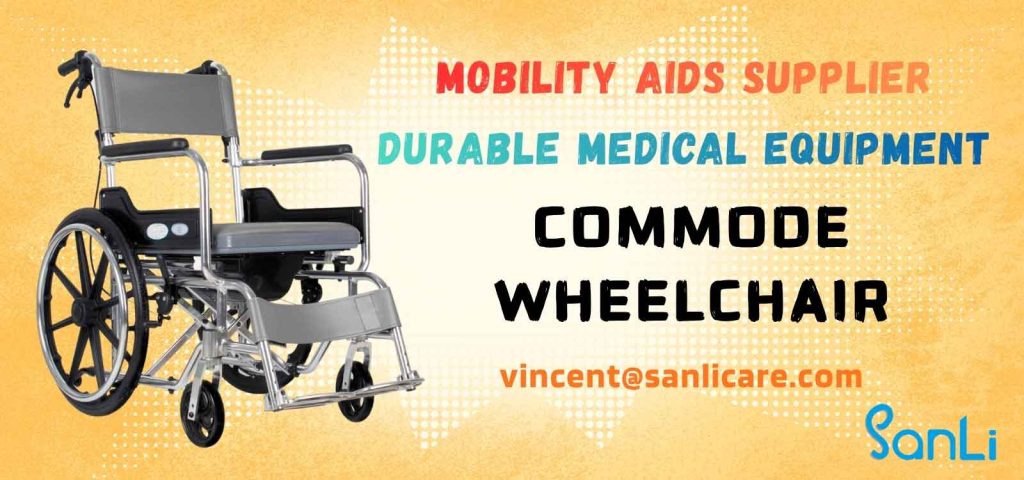
SanLi Care continues to innovate with new lightweight folding models featuring improved reclining mechanisms and commode options. These versatile units bridge hospital discharge needs and home recovery, offering excellent margins for distributors. The resource page mentioned earlier details how to integrate them into your catalog for rapid business growth.
Frequently Asked Questions
What makes a reliable durable medical equipment manufacturer? A trustworthy manufacturer maintains vertical integration, holds international certifications, and offers full traceability. SanLi Care meets these criteria with over 20 years of experience and rigorous testing.
How does a mobility aids supplier support B2B wholesalers? Suppliers like SanLi Care provide flexible ordering, customization, technical support, and competitive pricing. This helps distributors maintain healthy margins while delivering quality products.
Are standard wheelchairs suitable for both hospital and home care? Yes, when features match the environment. Hospital models emphasize durability; home models focus on portability and comfort. Matching correctly reduces long-term costs.
What should I consider when sourcing for international markets? Verify certifications, request test reports, and confirm logistics support. SanLi Care assists with regulatory documentation for smooth imports.
How can I ensure wheelchair longevity in high-use settings? Choose reinforced frames, medical-grade materials, and models backed by warranties. Regular maintenance guidance from the supplier also extends service life.
What trends should B2B buyers watch in 2026? Lightweight materials, ergonomic improvements, and hybrid designs that serve multiple scenarios are gaining popularity.
Conclusion and Call to Action
Matching standard wheelchairs to hospital and home care scenarios requires careful thought, but the rewards—satisfied customers, fewer returns, and stronger business growth—make the effort worthwhile. At SanLi Care, we take pride in helping distributors and wholesalers deliver mobility solutions that truly enhance lives. Our commitment to quality, innovation, and partnership sets us apart in the durable medical equipment industry.
For more helpful information, visit our blog.
To expand your knowledge, check these related resources:
For a quick quote or any questions about our products, please send an email to inquiry@sanlicare.com. We look forward to supporting your success as a valued B2B partner.