
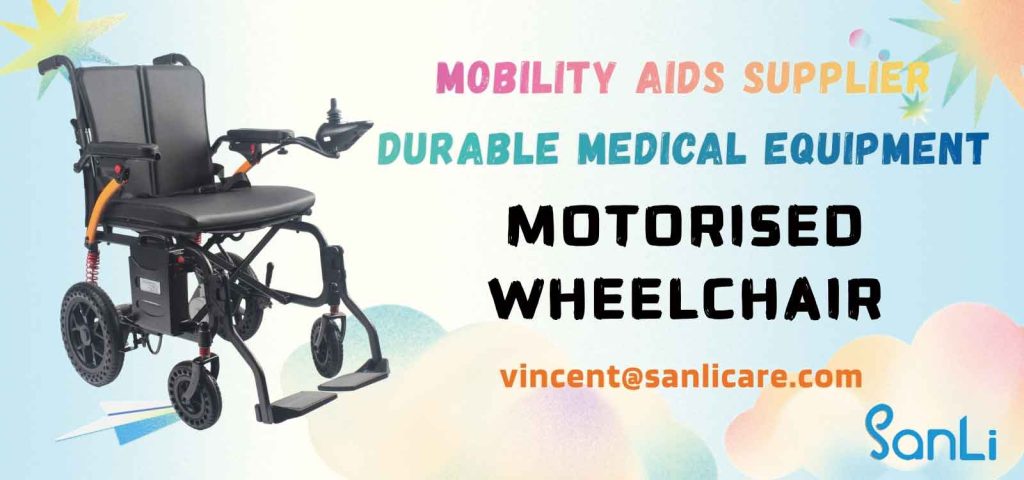
When you invest time, money, and creativity into building a brand around electric wheelchairs or power wheelchairs, the last thing you want is to see your unique designs copied and sold by someone else. Many brand owners, global traders, distributors, and wholesalers feel this exact worry when they consider Chinese OEM partners. You search for reliable manufacturers because you want quality products at competitive prices, yet you also need to protect what makes your business special. This guide walks you through the real concerns people face and shares clear, practical steps to keep your intellectual property safe while you grow in the durable medical equipment and rehabilitation therapy market.
At SanLi Care, we have spent over twenty years focused only on wheelchairs and mobility aids. We understand both the technical side of making reliable motorized wheelchairs and the human side of long-term partnerships. Our mission centers on integrity and treating every client as a true team member. We hope this article gives you the knowledge and confidence to move forward.
Key Takeaways
Register your trademarks, design patents, and technical patents in China before you share any drawings or ideas with a factory.
Replace standard NDAs with strong NNN agreements written for Chinese law and courts.
Choose partners who already work with major international brands and maintain strict information security.
Use technical safeguards such as phased information sharing and clear ownership of molds and tooling.
Monitor markets after production starts and prepare simple enforcement steps in advance.
Work with a vertically integrated manufacturer like SanLi Care to reduce leak risks and enjoy full traceability.
Combine IP protection with solid quality systems so your products meet CE, FDA, and ISO standards without extra headaches.
Why IP Protection Matters So Much in Today’s Electric Wheelchair Market
Electric wheelchairs and motorized wheelchairs have become essential tools for independence in rehabilitation therapy and daily life. Aging populations and rising demand for active mobility mean more opportunities for brands that offer comfortable, reliable, and stylish options. At the same time, the market attracts many players, and some may try to copy successful designs to save on development costs.
Your unique frame geometry, ergonomic seating, controller software, or even the look of a folding mechanism represents real investment. When that investment leaks, you can lose market share, face price pressure, and damage the trust you built with end users and healthcare providers. The emotional weight is heavy: you picture families relying on your product for freedom and dignity, only to see lower-quality copies appear under different names.
This is why smart brand owners now treat IP protection as a core part of their sourcing strategy, not an afterthought. They want factories that respect boundaries and help them scale safely. Start with our detailed guide to B2B electric wheelchairs wholesale procurement to see how protection fits into the bigger sourcing picture.
Common Pain Points You Search For and Experience
Many people searching for “Electric Wheelchairs Manufacturer” or “Power Wheelchairs Supplier” quietly worry about the same things:
Will my design drawings or technical files be shared with competitors?
What happens if the factory files its own patent on my improvements?
Can I really enforce a contract if problems arise in China?
How do I stop copies from appearing on major online platforms or in my target export markets?
Will sharing details slow down my project or create certification delays later?
These fears are valid because the legal systems differ and enforcement takes planning. Yet thousands of companies successfully source high-quality mobility products every year when they follow structured protection steps from the beginning. Many also benefit from insights from comparing manual and electric wheelchair B2B procurement to decide which models best protect their brand positioning.
Proven Best Practices for IP Protection with Chinese OEM Partners
The good news is that clear, repeatable methods exist. Below you will find practical steps used by experienced importers in the durable medical equipment field.
1. Register Your IP Rights in China Before Any Collaboration Begins
The single most important action is to secure your rights locally. China follows a first-to-file system for trademarks and design patents. Even if you hold patents or trademarks at home, they do not automatically protect you inside China.
Start with your brand name and logo as trademarks. Then protect the visual appearance of your wheelchair models with design patents. For technical innovations such as improved drive systems or battery management, consider utility model or invention patents. Local registration lets you record your rights with Chinese customs, which can stop infringing goods at the border.
Many successful wholesalers begin this process early, often while they are still comparing suppliers. It gives you strong legal ground and shows factories that you take protection seriously. Registering your intellectual property rights in China first is the foundation most experts recommend.
2. Use Robust NNN Agreements and Clear Ownership Contracts
Standard Western NDAs often carry little weight in China. Instead, use NNN agreements that cover non-disclosure, non-use, and non-circumvention. These contracts should be drafted in Chinese, specify Chinese law as governing law, and include realistic penalty clauses and dispute resolution through Chinese courts or CIETAC arbitration.
Your agreement must clearly state that all designs, improvements, and tooling remain your exclusive property. It should also cover what happens if the relationship ends. Add clauses about returning or destroying files and limiting use to your specific orders only.
At SanLi Care we welcome well-drafted agreements because they create clarity and trust from day one. We have worked this way with long-term partners for many years. Using China-specific NNN agreements helps turn good intentions into enforceable protection.
3. Vet Partners Thoroughly and Visit the Factory
Before you send detailed drawings, investigate the manufacturer. Ask for references from other international clients, review their own certifications, and request a factory audit. A genuine partner will happily arrange a visit and show you their quality systems, information security measures, and production processes.
Look for signs of stability: long operating history, in-house engineering teams, and a clean record with global brands. Factories that already serve demanding markets tend to understand the value of protecting client IP because their own reputation depends on it. For more on this process, explore learning how to cooperate with Chinese electric wheelchair manufacturers.
4. Apply Technical and Operational Safeguards
Even with good contracts, limit what you share at each stage. Provide only the information needed for the current phase, such as overall dimensions first and detailed electronics later. Use watermarks on drawings and secure file transfer methods.
Own your molds and tooling outright and keep records of that ownership. Consider splitting production so critical or sensitive components come from separate trusted sources. Many brands also keep final assembly or certain calibration steps under tighter control.
Our factory at SanLi Care operates with full vertical integration. Most processes happen in-house under one roof, which naturally reduces the number of external parties who ever see your complete design. This approach aligns with effective strategies for how to source electric wheelchairs from China manufacturer that successful importers follow.
5. Monitor Markets and Prepare Simple Enforcement Steps
After production begins, keep an eye on major platforms and your key export countries. Simple monitoring tools and periodic searches can catch copies early. If issues appear, your local registrations and strong contracts give you faster options for takedowns or legal action.
Many problems are resolved through direct discussion once the factory understands you are serious and prepared. Building a respectful long-term relationship often prevents disputes in the first place. Protecting intellectual property in China becomes much easier when you combine prevention with ongoing vigilance.
A Practical IP Protection Checklist
| Protection Practice | Key Benefit | Potential Challenge | Recommended First Step |
|---|---|---|---|
| China IP Registration | Legal right to stop copies locally | Time and agent fees | File trademarks and design patents early |
| NNN Agreement + Ownership Clauses | Clear rules and penalties | Drafting cost | Work with China-experienced legal counsel |
| Factory Audit & References | Real proof of reliability | Travel time | Schedule visit before sharing full files |
| Phased Disclosure & Tooling Control | Limits exposure | More planning | Create a staged information release plan |
| Market Monitoring + Customs Recordal | Early detection and border help | Ongoing effort | Record marks with customs after registration |
Use this table as a quick reference when you plan your next sourcing project. Many importers also review the top 10 electric wheelchair manufacturers worldwide in 2026 to benchmark potential partners.
How SanLi Care Supports Secure and Transparent Partnerships
We built SanLi Care around the idea that a good manufacturer should feel like an extension of your own team. Over twenty years we have focused exclusively on durable medical equipment and rehabilitation mobility solutions. Our factory near Guangzhou Baiyun Airport combines advanced production with strict quality discipline.
We run robotic welding, automated powder coating, five-axis CNC machining, and full assembly lines under one roof. Every incoming material undergoes chemical and strength testing. Twenty-eight dedicated QC technicians perform 100 percent visual and functional checks plus random destructive testing for fatigue, load, and environmental resistance. Full traceability from raw material to finished electric wheelchair gives both you and us complete visibility.
Our certifications include ISO 13485, ISO 9001, ISO 14001, and ISO 27001. We hold CE MDR certification for medical devices and are FDA registered. These systems demonstrate that we already manage sensitive information carefully and meet the highest international standards.
Perhaps most telling, leading global companies such as Medline Industries, Karma Medical, Alber GmbH, and Meyra GmbH have chosen us as a long-term partner. They trust us with their brands, specifications, and ongoing development because we deliver consistent quality and respect every agreement.
When you work with us, you receive full OEM and ODM support. We can produce to your exact brand colors, packaging, and labeling. We also help with custom development when you have ideas or samples. Lead times for bulk orders typically run 35 to 60 working days after deposit, with samples ready in 7 to 15 days. Minimum order quantity starts at 100 units per model.
Discover our 2026 hot selling electric wheelchairs and power wheelchairs to see the quality and innovation we bring to wholesale partners.
If you want to start your wholesale business in the fastest way possible with proven sellers, browse our popular mobility scooters and wheelchairs for quick wholesale start.
We also invite you to visit our blog to find more helpful information for your business decisions.
Our processes follow adhering to electric wheelchairs testing and quality control standards that give clients confidence from the first sample. We support full customization exactly as outlined in our advice on how to choose OEM ODM electric wheelchairs customization. Many clients also appreciate practical steps in how to evaluate electric wheelchairs quality for wholesale before placing their first order. Looking ahead, exploring what electric wheelchair trends and opportunities 2026-2030 offer helps you plan product lines that stay competitive while your IP stays protected. Everything we do aligns with following the electric wheelchairs export CE FDA ISO certification guide so your brand launches smoothly in regulated markets.
Frequently Asked Questions
What are the biggest IP risks when outsourcing electric wheelchair production to China? The main risks include unauthorized sharing of drawings, a factory filing its own patent on your improvements, and copies appearing in your target markets. These risks drop sharply when you register rights locally first and use clear written agreements that specify ownership and penalties.
Should I register my trademark and patents in China even if I already have them elsewhere? Yes. China operates on a first-to-file basis. Without local registration you have limited ability to stop infringement inside China or to record your rights with customs. Starting the process early protects you before any designs leave your hands.
What is an NNN agreement and why is it better than a regular NDA? An NNN agreement adds non-use and non-circumvention clauses to standard non-disclosure. It is written specifically for Chinese law and courts, includes meaningful penalties, and clearly states that all IP belongs to you. This structure is far more enforceable in China than a standard Western NDA. How to manufacture in China without the fear of IP theft often starts with this exact step.
How can I be sure a manufacturer will not copy my electric wheelchair designs? Choose partners with proven track records working for major international brands, strong in-house quality systems, and a culture of integrity. Visit the factory, review references, and insist on detailed contracts that cover tooling ownership and information handling. Long-term relationships built on mutual benefit reduce problems dramatically.
Do I need a lawyer in China for IP protection? Working with counsel experienced in Chinese IP and contract law is highly recommended for drafting NNN agreements and handling registrations. Many companies use a local agent for patent and trademark filings through the China National Intellectual Property Administration while keeping overall strategy in-house or with their regular advisors.
What steps should I take before sharing detailed electric wheelchair specifications? Register key IP in China, prepare a strong NNN agreement, request factory references and audit reports, and share information in stages. Only release what is necessary for the current discussion or quote. A reputable manufacturer will understand and respect this professional approach.
How does SanLi Care protect client information and IP during the OEM process? We maintain ISO 27001 certification for information security, limit access to project files, and operate most production processes in-house. We sign client agreements promptly and have built our reputation over two decades by honoring confidentiality with every partner, including global medical brands.
Can IP concerns delay product launch or affect CE and FDA certifications? When handled properly from the start, IP protection actually supports smoother regulatory processes. Clear ownership documentation helps during technical file reviews and audits. Rushing without proper safeguards is more likely to create later problems or certification questions.
Moving Forward with Confidence and a Trusted Partner
Protecting your intellectual property does not have to slow you down or create distrust. When you follow structured steps—register early, use the right agreements, choose carefully, and monitor—you can source high-quality electric wheelchairs and power wheelchairs with genuine peace of mind. The best partnerships feel collaborative rather than risky, and they let you focus on growing your brand and serving more people who need reliable mobility solutions.
At SanLi Care we are ready to be that kind of partner. Our factory combines advanced manufacturing, rigorous quality control, and a deep commitment to integrity. Whether you need full OEM branding, custom development, or simply reliable supply of proven models, we treat your designs and your business goals with the respect they deserve.
If you are ready to explore a secure and productive partnership, contact us at inquiry@sanlicare.com for a quick quote or to discuss your specific requirements. We look forward to learning about your project and showing you how we can support your success in the durable medical equipment market.
To expand your knowledge, check these related resources as below:
Thank you for reading. We hope this guide helps you move forward with clarity and confidence.