
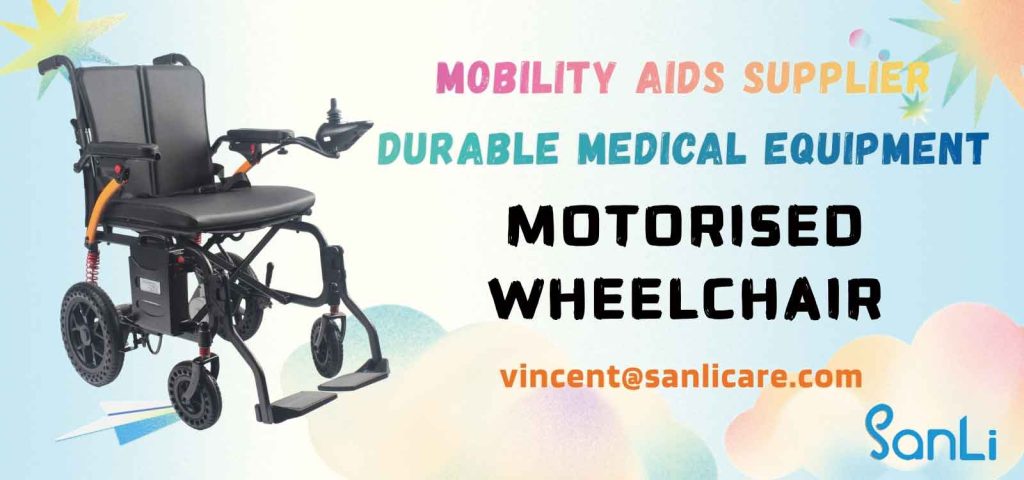
When you work in the durable medical equipment and rehabilitation therapy market, you quickly learn that the smallest design choices can change a person’s daily life. Electric wheelchairs are not just products on a shelf. They represent freedom, dignity, and the ability to move through the world with confidence. For brand owners, global traders, distributors, and wholesalers like you, understanding the real differences between mid-wheel drive and rear-wheel drive electric wheelchairs is essential. The right choice helps your customers succeed and builds long-term trust in your business.
At SanLi Care, we have spent more than twenty years designing and manufacturing mobility solutions with one clear goal: to help people regain independence. We know the pain points your end users face—tight apartment hallways, uneven sidewalks, caregiver strain, and the fear of tipping or getting stuck. That is why we pay close attention to drive systems and work closely with partners worldwide to deliver reliable, certified products that meet real needs.
In this guide, we walk you through a clear comparison focused on maneuverability. We also share practical advice for B2B procurement so you can stock the models that sell and truly help people. Whether you are just starting wholesale or looking to expand your range, you will find useful insights here.
Understanding Drive Systems in Electric Wheelchairs
Electric wheelchairs come with different drive configurations. The position of the large powered wheels changes how the chair turns, climbs, stops, and feels to the user.
Rear-wheel drive places the powered wheels at the back, with smaller caster wheels in front. This was the traditional setup for many years.
Mid-wheel drive places the powered wheels near the center of the chair, with casters both in front and behind. This creates a different balance and turning behavior.
Both systems have strengths. The key is matching the drive type to how and where your customers will use the chair. Many clinical resources and mobility specialists note that drive wheel placement directly affects turning radius, stability on slopes, and ease of use in small spaces.
If you want a deeper look at sourcing and procurement strategies, we invite you to review our B2B electric wheelchairs wholesale procurement guide. It covers planning inventory that actually meets market demand.
Rear-Wheel Drive Electric Wheelchairs: Features and Everyday Performance
Rear-wheel drive models often feel stable and predictable, especially when moving straight ahead at higher speeds. The weight sits more toward the back, which can give a solid base when the user faces forward. Many users and therapists appreciate the directional stability on longer outdoor paths or when traveling over slightly uneven ground.
However, the turning radius tends to be larger. The chair needs more space to complete a full circle. In a small bathroom, narrow hallway, or crowded room, this can feel frustrating. The front casters can also sometimes catch on thresholds or carpets.
For outdoor-focused users or those who value a smoother ride on pavement and gentle slopes, rear-wheel drive remains popular. It can handle certain terrains with confidence and often feels intuitive for people transitioning from manual wheelchairs.
Distributors often stock these models for customers in suburban or rural areas where outdoor mobility matters. When you evaluate options for your catalog, consider how our electric wheelchairs testing and quality control standards ensure every unit meets rigorous durability tests before it reaches your warehouse.
Mid-Wheel Drive Electric Wheelchairs: Features and Everyday Performance
Mid-wheel drive changes the game for indoor maneuverability. Because the drive wheels sit close to the user’s center of gravity, the chair can often turn in place—completing a 360-degree rotation within its own footprint. This tight turning radius makes a real difference in apartments, nursing homes, small clinics, and elevators.
Users frequently report feeling more confident navigating doorways and tight corners. The casters in front and back add extra points of contact with the ground, which many find improves overall stability during turns and stops. Advances in suspension have also helped these models perform better outdoors than earlier versions.
Some users note that at very high speeds on uneven surfaces, rear-wheel drive may still feel more planted. Yet for most daily activities—getting around the home, visiting neighbors, or moving through a rehabilitation center—mid-wheel drive offers a responsive and intuitive experience.
We have seen how this configuration reduces caregiver assistance and helps users maintain dignity. That is the kind of outcome we strive for in every product we build.
Head-to-Head Maneuverability Comparison
Let us look at the practical differences side by side. The numbers below come from clinical observations and mobility equipment education shared by leading rehabilitation specialists.
Turning Radius and Space Needed Mid-wheel drive typically offers the tightest 360-degree turn, often in the 20–26 inch range. Rear-wheel drive usually requires more room, often 30 inches or greater. This gap becomes very noticeable in real homes.
Indoor Navigation Mid-wheel drive excels here. Users can spin the chair to face a different direction without rolling forward or backward much. Rear-wheel drive needs a wider arc, which can limit access in compact living spaces.
Outdoor Performance and Terrain Rear-wheel drive often provides stronger directional tracking at speed and can feel smoother over small bumps or gentle grades. Mid-wheel drive has improved greatly with better suspension, but some users still prefer rear-wheel drive for longer outdoor routes or slightly rougher paths.
Stability and Safety Both configurations include anti-tip features and good engineering. Mid-wheel drive’s extra caster contact points can give a planted feeling during turns. Rear-wheel drive offers strong forward stability. Proper training and correct seat setup matter more than drive type alone for preventing tips.
User Comfort and Learning Curve Many new users find mid-wheel drive more intuitive because the chair responds quickly to joystick input. Rear-wheel drive can feel more like driving a car in terms of tracking straight.
Here is a simple comparison table to help you discuss options with your customers:
| Feature | Mid-Wheel Drive | Rear-Wheel Drive |
|---|---|---|
| Turning Radius | Tightest (often 20-26 inches) | Larger (often 30+ inches) |
| Best For | Indoor spaces, tight turns, apartments | Outdoor paths, speed, longer distances |
| Stability on Turns | Excellent with front and rear casters | Strong forward base |
| High-Speed Tracking | Good with modern suspension | Very strong directional stability |
| Learning Curve | Often intuitive and quick | Familiar for many long-time users |
| Typical User Profile | Home users, rehab centers, urban living | Active outdoor users, suburban/rural |
Clinical comparisons from health authorities and mobility experts consistently highlight these trade-offs.
Stability, Safety, and Real User Experience
Safety is never negotiable in rehabilitation therapy equipment. Both drive types undergo strict testing for static stability, dynamic stability, and fatigue resistance. At our factory, every wheelchair passes multiple quality gates, including load testing well beyond normal use and electromagnetic compatibility checks.
Users tell us that feeling secure changes everything. A chair that turns easily without rocking builds confidence. A chair that tracks straight on a sidewalk reduces anxiety. We design with these emotions in mind because we know mobility is deeply personal.
When you source products, look for manufacturers who treat safety as a daily practice, not just a certificate on the wall. Our team follows electric wheelchairs testing and quality control standards that go beyond basic requirements.
Choosing the Right Drive Type for Your Market
As a wholesaler or distributor, you serve many different end users. Here is how to think strategically:
Apartment living and urban customers often need mid-wheel drive for tight indoor spaces.
Active seniors or users in larger homes with gardens may prefer rear-wheel drive for outdoor confidence.
Rehabilitation centers and hospitals frequently value mid-wheel drive for easy maneuvering in therapy rooms and hallways.
Rural or long-distance users may lean toward rear-wheel drive for stability on varied terrain.
Stocking a balanced mix lets you meet more needs and reduces returns. You can also offer customization so a base model can be adapted with different seating or accessories.
We encourage you to explore our how to choose OEM ODM electric wheelchairs customization resource. It explains how flexible manufacturing can help you offer exactly what your market wants.
Quality Manufacturing and Certifications You Can Trust
When you buy from a factory, you are not just buying steel and motors. You are buying peace of mind for your customers and protection for your business reputation. SanLi Care operates with full vertical integration—from frame fabrication to final assembly—under strict quality systems.
Our certifications include ISO 13485, CE MDR, FDA registration, and more. Every unit carries full traceability. We perform incoming material inspection, in-process checks, and final functional testing on 100% of products. This level of care is why partners return year after year.
If you are evaluating suppliers, our how to evaluate electric wheelchairs quality for wholesale article shares practical checkpoints you can use. We also share honest guidance in our how to sourcing electric wheelchairs from China manufacturer resource.
For export compliance, please review our CE FDA ISO certification guide for electric wheelchairs export. Clear documentation helps your shipments clear customs smoothly.
Customization, OEM/ODM, and Building Your Brand
Many successful distributors grow by offering private-label or lightly customized models. We support full OEM branding, color options, and even ODM modifications to existing platforms. Whether you need specific motor configurations, battery sizes, or seating systems, our engineering team can collaborate with you.
This flexibility lets you differentiate your catalog without huge development costs. Learn more about the process in our guide on how to choose OEM ODM electric wheelchairs customization.
We also maintain open communication with partners through our how to cooperate with Chinese electric wheelchair manufacturers page. Long-term relationships built on transparency are at the heart of what we do.
Trends and Opportunities Through 2026–2030
The electric wheelchair market continues to evolve. Lighter materials, smarter controllers, better batteries, and improved suspension are making both mid-wheel and rear-wheel drive options more capable than ever. Demand is rising in home care, aging-in-place programs, and emerging markets.
Distributors who understand these shifts and stock versatile, high-quality products position themselves well for growth. Our overview of electric wheelchair trends and opportunities through 2030 offers additional perspective on where the industry is heading.
We are proud to be part of the top 10 electric wheelchair manufacturers worldwide in 2026 conversation because consistent quality and genuine partnership matter.
How SanLi Care Supports Your Wholesale Success
We do not just manufacture products. We partner with you to grow your business. Our one-stop approach covers design support, quality documentation, reliable lead times, and responsive after-sales service. MOQ starts at 100 units per item with flexible container loading, and we work with trusted logistics partners for sea and air shipments.
To see our current electric wheelchair offerings and discuss configurations that fit your customers, please visit the electric wheelchairs manufacturer page.
If you want to start or expand your wholesale business quickly with proven sellers, explore our durable medical equipments manufacturer selection. You will find mobility scooters, hospital beds, rollators, and more that complement wheelchair sales.
For more educational articles on procurement, quality, and market insights, we warmly invite you to visit our blog regularly.
Frequently Asked Questions
What is the biggest maneuverability advantage of mid-wheel drive electric wheelchairs? Mid-wheel drive models can usually complete a full 360-degree turn in a very small space because the drive wheels sit near the center. This makes them excellent for apartments, small bathrooms, and crowded indoor areas where rear-wheel drive models need more room to turn.
Is rear-wheel drive still a good choice in 2026? Yes. Rear-wheel drive remains popular for users who spend significant time outdoors, travel longer distances, or prefer strong straight-line stability at higher speeds. Many active users and those in larger living spaces still choose it.
How does drive type affect stability and safety? Both configurations are engineered for safety when used correctly. Mid-wheel drive often feels very planted during tight turns thanks to casters front and back. Rear-wheel drive provides a strong forward base. Proper seating position, anti-tip devices, and user training matter most regardless of drive type.
Can I request specific drive configurations when ordering wholesale? Many manufacturers, including our team at SanLi Care, can discuss base configurations during the OEM/ODM process. We recommend sharing your target customer profiles so we can advise on suitable options and customization.
What certifications should I require for electric wheelchairs I wholesale? Look for ISO 13485 quality management, CE marking under MDR, FDA registration or clearance where required, and clear test reports for durability and electrical safety. These help protect your business and reassure your customers.
How do I decide how many mid-wheel versus rear-wheel units to stock? Analyze your market. Urban and home-care customers often prefer mid-wheel drive for indoor ease. Outdoor or active users may favor rear-wheel drive. Many successful distributors maintain a balanced mix and adjust based on sales data and feedback.
Do mid-wheel drive chairs require more maintenance? Maintenance needs are similar across quality-built models. Regular battery care, tire checks, and controller inspections apply to both. Choosing a manufacturer with strong quality control and available spare parts protects your customers and your reputation.
Can Chinese manufacturers like SanLi Care support private labeling and branding? Yes. We offer OEM branding, custom colors, packaging, and documentation support. Many international partners successfully build their brand with our production capabilities while maintaining high quality standards.
Moving Forward Together
Choosing between mid-wheel drive and rear-wheel drive electric wheelchairs is not about finding one “best” option. It is about understanding your customers’ real lives and offering solutions that genuinely improve them. Maneuverability, stability, comfort, and reliability all work together to restore independence.
At SanLi Care, we pour care and expertise into every wheelchair because we believe mobility is a basic human right. We stand ready to support you with certified products, flexible customization, transparent communication, and reliable partnership.
If you are ready to explore models, request samples, or discuss your next wholesale order, please reach out to us at inquiry@sanlicare.com. We respond promptly and look forward to helping your business grow while making a real difference for the people who rely on these chairs every day.
Thank you for reading. We hope this guide gives you clear, practical knowledge you can use right away.
To expand your knowledge, check these related resources as below:
We look forward to serving you.