
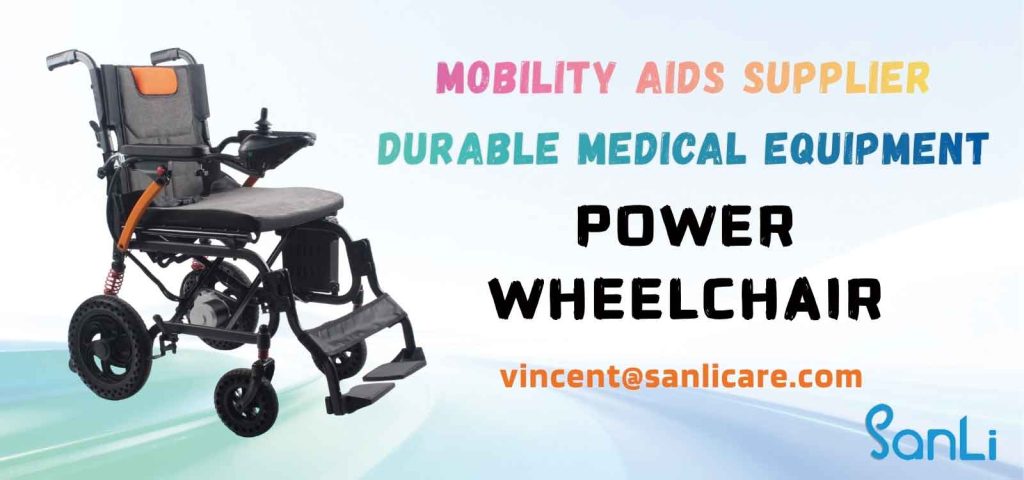
This comprehensive guide examines the rising demand for all-terrain electric wheelchairs designed specifically for outdoor environments. It addresses the real challenges faced by distributors, wholesalers, brand owners, and global traders in 2026, while offering practical solutions grounded in manufacturing expertise. Readers will gain valuable knowledge on features, trends, quality standards, and partnership opportunities to grow their mobility business successfully.
Key Takeaways
All-terrain electric wheelchairs are becoming essential for users seeking independence in parks, trails, rural areas, and varied weather conditions.
Strong market growth continues, driven by aging populations and greater focus on accessible outdoor living.
Distributors succeed by prioritizing durability testing, full certifications, and customization options from experienced manufacturers.
SanLi Care offers over 20 years of specialized production knowledge, vertical integration, and rigorous quality processes to support your wholesale goals.
Smart sourcing now includes evaluating real-world terrain performance, battery range, and after-sales support for long-term customer satisfaction.
All-Terrain Electric Wheelchairs for Outdoor Use: 2026 Wholesale Trends
Imagine a customer who once felt limited to indoor spaces now confidently rolling along a forest path or across a grassy park. That freedom changes lives. As demand for meaningful outdoor mobility grows, all-terrain electric wheelchairs have moved from niche products to essential offerings for forward-thinking wholesalers and distributors in 2026.
You already know the mobility market rewards those who understand real user needs. Today, more people want wheelchairs that handle grass, gravel, gentle hills, and changing weather without constant worry. This shift creates clear opportunities for businesses that source the right products from the right Electric Wheelchairs Manufacturer.
At SanLi Care, we have spent more than two decades building durable medical equipment that truly serves people. We see every day how the right power wheelchair transforms daily routines into moments of joy and independence. That is why we focus on practical, well-engineered solutions for outdoor use.
Understanding the Rising Need for Outdoor-Capable Mobility Solutions
People of all ages want to stay active outdoors. Older adults wish to visit gardens or neighborhood paths. Younger users with disabilities seek adventure on trails or beaches. Families and caregivers look for equipment that keeps everyone included.
Standard electric wheelchairs often struggle on uneven ground. Small wheels sink in grass or soft soil. Limited ground clearance causes bottoming out on roots or curbs. Basic batteries drain quickly on hills. These limitations lead to frustration and returns.
All-terrain models solve these problems with thoughtful design. Larger pneumatic tires provide better traction and shock absorption. Stronger motors maintain speed on slopes. Higher ground clearance lets users clear obstacles safely. Weather-resistant construction protects electronics during light rain or morning dew.
Market data shows continued strong expansion in the electric wheelchair sector through the end of the decade. Growth reflects both demographic changes and rising expectations for active lifestyles. Distributors who add capable outdoor models position themselves ahead of competitors who offer only basic indoor options.
You can explore deeper market direction and opportunities in our analysis of what electric wheelchair trends and opportunities 2026-2030.
What Makes an Electric Wheelchair Ready for Real Outdoor Conditions
Not every power wheelchair labeled “outdoor” performs equally well. Serious buyers evaluate specific engineering details before committing to wholesale quantities.
Key features that matter include:
Wheel and tire design: 12- to 16-inch pneumatic or low-pressure tires with deep treads grip grass, gravel, and dirt effectively. Solid tires may suit some users but offer less cushioning on rough paths.
Motor power and drive configuration: Dual motors of 200–500 watts or more, often in rear-wheel or mid-wheel drive layouts, deliver reliable torque for hills up to 10–15 degrees. Mid-wheel drive often provides excellent turning in tight outdoor spaces.
Battery capacity and range: Modern lithium batteries (typically 24V systems with 20–50Ah capacity) support 15–40 km of real-world use. This range matters for users exploring larger parks or rural areas without frequent recharging.
Ground clearance and suspension: At least 4–8 inches of clearance combined with front or rear suspension systems prevents damage from roots, rocks, or uneven pavement.
Weather protection: IP54 or higher ratings guard against dust and splashes. Sealed electronics and corrosion-resistant frames extend service life in humid or coastal climates.
Safety systems: Electromagnetic brakes that hold on slopes, anti-tip wheels, bright LED lights, and programmable controllers help users stay in control.
We have seen how these elements work together in real conditions. Our engineering team tests prototypes on varied surfaces and in environmental chambers that simulate rain, temperature swings, and vibration. This hands-on approach helps us refine designs before they reach your customers.
A simple comparison helps clarify the differences:
| Feature | Standard Electric Wheelchair | All-Terrain Electric Wheelchair |
|---|---|---|
| Wheel Size | 8–10 inch casters | 12–16 inch pneumatic or knobby tires |
| Ground Clearance | 2–4 inches | 4–8+ inches |
| Typical Range | 10–20 km | 15–40 km on lithium batteries |
| Hill Climbing | 6–8 degrees | 10–15 degrees |
| Suspension | Basic or none | Front/rear suspension standard |
| Best Environments | Indoor, smooth pavement | Grass, gravel, trails, light outdoor paths |
| Weight Capacity Options | Up to 120–150 kg | Often 150–200+ kg for heavy-duty models |
When you source from a manufacturer that understands these distinctions, you reduce returns and build stronger end-user loyalty.
Common Pain Points Distributors Face with Outdoor Mobility Products
Many wholesalers share similar frustrations when entering or expanding in the all-terrain segment.
Quality inconsistency tops the list. Some factories produce attractive prototypes but struggle with consistent frame welds, motor reliability, or battery integration in volume production. A few failed units in the field can damage your brand reputation quickly.
Certification gaps create another hurdle. Products must meet CE MDR requirements for Europe, FDA expectations for the United States, and ISO 13485 quality systems everywhere. Missing documentation delays shipments and raises compliance risks.
Long lead times and inflexible MOQs frustrate planning. Seasonal demand peaks before summer or holidays, yet some suppliers cannot scale or offer reasonable minimums for testing new models.
After-sales support often falls short. Distributors need spare parts availability for years, clear technical documentation, and responsive help when a customer reports an issue on a remote trail.
Terrain-specific performance surprises also occur. A chair that works on pavement may fail basic grass or incline tests, leading to negative reviews and lost repeat business.
We address these concerns directly through our electric wheelchairs testing and quality control standards. Every unit passes multiple inspection stages, including fatigue cycling, static load testing to three times rated capacity, and environmental simulation.
2026 Wholesale Trends Shaping Buyer Decisions
Several clear patterns are emerging this year and beyond.
First, demand for true all-terrain capability is rising faster than general electric wheelchair growth. Distributors report stronger interest from rehabilitation centers, outdoor adventure programs, rural healthcare providers, and individual users who refuse to stay indoors.
Second, customization requests continue to increase. Buyers want specific tire compounds for sandy beaches, reinforced frames for heavier users, or unique color schemes that match their brand identity. OEM and ODM services have become a key differentiator.
Third, battery technology improvements allow longer ranges without adding excessive weight. Lithium systems with better energy density and faster charging reduce range anxiety for outdoor users.
Fourth, sustainability considerations appear more often in RFPs. Recyclable materials, lower-energy production methods, and responsible packaging matter to some European and North American buyers.
Fifth, integrated support packages win deals. Distributors value manufacturers who provide marketing materials, training for sales teams, spare parts kits, and clear warranty processes alongside the product itself.
You can review our perspective on broader industry direction in the post about electric wheelchairs trends and opportunities 2026-2030.
How to Evaluate Quality and Durability for Rugged Outdoor Use
Smart procurement starts with structured evaluation. Here is a practical approach many successful distributors follow:
Request detailed specifications and third-party test reports covering ISO 7176 durability, climatic, and obstacle-climbing requirements.
Order samples early and test them on actual terrain types your target customers encounter—grass, gravel, inclines, and wet conditions if relevant.
Visit the factory or arrange a virtual audit focused on welding quality, battery assembly, and final functional checks.
Review the supplier’s quality team size, in-process inspection frequency, and traceability systems.
Confirm spare parts availability for at least five years and ask about average response time for technical questions.
Compare total cost of ownership, not just unit price. Factor in warranty claims, returns, and customer support effort.
Our team follows these same rigorous steps internally. With 28 dedicated quality control technicians and full vertical integration—from raw material cutting through robotic welding and automated coating—we maintain tight control at every stage.
Learn more about systematic evaluation in our guide on how to evaluate electric wheelchairs quality for wholesale.
Certifications, Compliance, and Export Readiness
Regulatory requirements protect users and open markets. All-terrain models carry the same obligations as standard power wheelchairs plus additional considerations for outdoor exposure.
Key certifications include ISO 13485 for medical device quality management, CE MDR for the European market, FDA registration for the United States, and supporting audits such as TUV and SGS. Environmental testing under ISO 7176-9 helps verify performance after exposure to rain, dust, and temperature changes.
We maintain a complete set of these certifications and keep documentation organized for fast customs clearance. Our electric wheelchairs export CE FDA ISO certification guide explains the process in practical terms for B2B partners.
Customization and OEM/ODM Opportunities for Your Markets
One size rarely fits all outdoor environments. A model optimized for European parks may need adjustments for Southeast Asian humidity or North American trail conditions.
We support full OEM and ODM projects. You can specify motor configurations, tire types, seat dimensions, control interfaces, frame colors, and branding elements. Our in-house design and rapid prototyping capabilities help turn ideas into production samples efficiently.
Many distributors use customization to create differentiated product lines that command better margins and reduce direct price competition.
Discover the decision framework in our article on how to choose OEM ODM electric wheelchairs customization.
Building a Reliable Partnership with a Chinese Manufacturer
Choosing the right production partner determines long-term success. Look for transparent communication, consistent quality, reasonable lead times (typically 35–60 days for custom orders), and genuine after-sales commitment.
We recommend starting with clear written requirements, sample evaluation, and a small trial order before scaling. Strong partnerships often include regular production updates, priority scheduling during peak seasons, and collaborative problem-solving when issues arise.
Our experience working with distributors worldwide has taught us the value of responsive account management and proactive support. You can read practical advice in our guide on how to cooperate with Chinese electric wheelchair manufacturers and our sourcing recommendations at how to sourcing electric wheelchairs from China manufacturer.
Why SanLi Care Stands Out as Your All-Terrain Electric Wheelchair Partner
With more than 20 years focused exclusively on wheelchairs and mobility aids, we bring specialized knowledge that general manufacturers often lack. Our factory combines advanced equipment—5-axis CNC centers, robotic welding, and automated powder coating—with skilled hands-on assembly and inspection.
We offer competitive MOQs starting at 100 units per item, flexible container loading, and delivery timelines that help you meet seasonal demand. Most importantly, we stand behind every chair with clear warranties, spare parts support, and responsive technical assistance.
If you want to explore our current capabilities and 2026 hot-selling models suitable for outdoor customization, please visit our dedicated page: explore our electric wheelchairs manufacturer offerings.
For the fastest way to begin or expand your wholesale business with proven mobility solutions, review our full selection at the durable medical equipments manufacturer page.
Frequently Asked Questions
What should I look for when choosing an electric wheelchairs manufacturer for all-terrain models? Focus on proven outdoor testing, strong motors, appropriate tire and suspension systems, full certifications, and consistent quality control processes. Ask for real terrain test data and sample evaluation opportunities. A manufacturer with vertical integration and dedicated quality teams, like SanLi Care, reduces risk significantly.
How do all-terrain electric wheelchairs differ from standard power wheelchairs in daily outdoor performance? They offer greater ground clearance, larger traction tires, stronger hill-climbing ability, and better weather resistance. Users report fewer stuck situations and greater confidence on grass, gravel, and uneven paths compared with basic models.
What battery range can I realistically promise customers for outdoor use? Quality lithium battery systems in well-designed all-terrain chairs commonly deliver 15–40 km depending on terrain, user weight, and speed settings. Real-world testing on mixed surfaces provides the most accurate figures for your marketing.
Are there specific certifications required for outdoor electric wheelchairs? The same core medical device certifications apply—ISO 13485, CE MDR, and FDA registration—plus climatic and durability testing under the ISO 7176 series. These standards help ensure safety and performance in varied conditions.
What is a typical MOQ and lead time for custom all-terrain models? Many factories, including ours, work with MOQs around 100 units per configuration. Production lead times usually range from 35 to 60 days for customized orders, with faster options for stock or semi-custom units.
How important is after-sales support for outdoor mobility products? Very important. Users in remote or rural areas need quick access to spare parts and clear troubleshooting guidance. Reliable manufacturers provide multi-year parts availability and responsive technical teams.
Can I request specific customizations for different regional terrains? Yes. Experienced OEM/ODM partners can adjust tires, motors, seating, and weatherproofing to match local conditions such as sandy beaches, cold climates, or humid environments.
How does SanLi Care support new wholesale partners getting started? We provide product specifications, samples for evaluation, clear pricing, production updates, and ongoing after-sales assistance. Our team helps you select models that fit your target markets and budget.
Moving Forward with Confidence in 2026
The opportunity for all-terrain electric wheelchairs is real and growing. Distributors who invest in quality, understand terrain-specific requirements, and partner with experienced manufacturers will capture greater market share and build lasting customer relationships.
At SanLi Care, we remain committed to producing reliable, well-tested mobility solutions that help people live more active lives. We would be honored to support your business growth.
For questions about specifications, customization options, current pricing, or to request a quick quote, please reach out to us at inquiry@sanlicare.com.
To expand your knowledge, check these related resources as below:
Thank you for reading. We look forward to the possibility of working together to bring greater mobility and independence to more people around the world.