
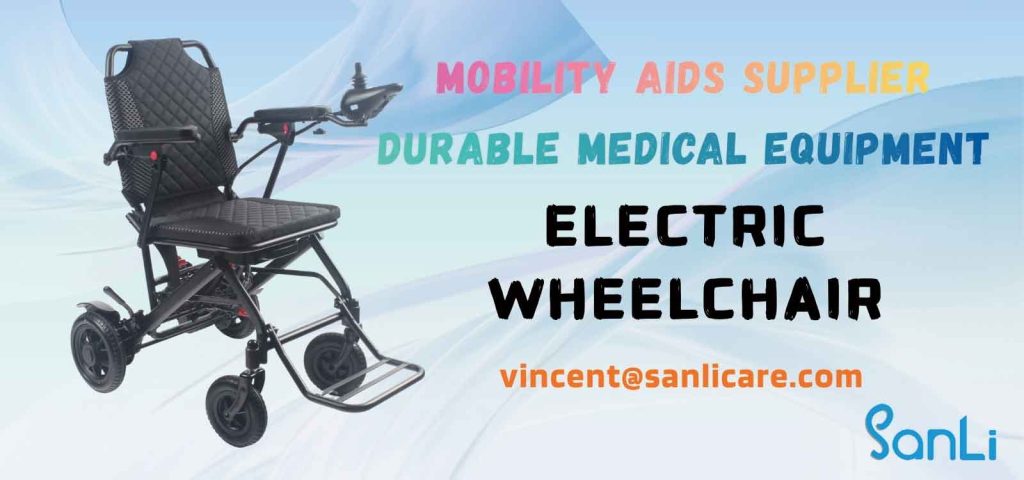
If you are a brand owner, global trader, distributor, or wholesaler building or expanding your business in durable medical equipment, you already know that electric wheelchairs, power wheelchairs, and motorized wheelchairs represent both strong demand and serious responsibility. These products help people of all ages regain independence, move safely, and participate more fully in daily life. Getting them into the right markets in 2026 means following clear but sometimes complex import rules designed to protect end users.
At SanLi Care, we have spent more than twenty years designing, building, and refining these mobility solutions in our vertically integrated factory. We work closely with partners across Europe, North America, Asia, and beyond. We understand the pressure you feel when regulations change, paperwork does not match expectations, or a shipment sits at customs. That is why we created this practical guide. It walks you through the specific requirements for the European Union, the United States, and Australia in 2026, points out the real pain points importers face, and shares clear solutions that have helped our partners succeed.
Common Pain Points Importers Face with Electric Wheelchairs in 2026
Many distributors tell us the same stories. They find a supplier, negotiate good pricing, and then hit unexpected walls. Missing or incomplete technical documentation can hold a container for weeks. Incorrect classification leads to extra testing requests. Lithium battery shipments trigger additional dangerous goods checks. Tariffs or trade policy shifts suddenly affect landed costs and margins. Local language labeling requirements catch teams off guard. Post-market surveillance obligations feel overwhelming for smaller operations.
These issues cost time, money, and sometimes customer trust. When an elderly user or rehabilitation center receives a delayed order, the impact goes beyond your balance sheet. We see it every day. The good news is that most of these problems are preventable when you partner with a manufacturer who understands the full compliance picture and supplies complete, accurate support files from the start. For a complete overview of the procurement process, refer to our guide to B2B electric wheelchairs wholesale procurement.
Why Country-Specific Rules Matter More Than Ever
Electric wheelchairs are active medical devices. They combine mechanical engineering, electrical systems, batteries, and user controls. Regulators in every major market therefore treat them with care. Rules exist to ensure safety, performance, and traceability. In 2026 the emphasis on digital documentation, unique device identification, and post-market monitoring continues to grow. Markets are not identical, so a one-size-fits-all approach rarely works.
Understanding the differences helps you plan sourcing, budgeting, and timelines accurately. It also protects your brand reputation. Customers notice when products arrive on time, perform reliably, and carry proper compliance marks. Many teams also review the comparing manual and electric wheelchair B2B procurement discussion to decide which models best fit their target markets.
Import Rules for the European Union in 2026
The European Union operates under the Medical Device Regulation (MDR) 2017/745. This framework applies across all member states and sets high standards for safety and performance.
Classification and CE Marking Requirements
Electric wheelchairs are generally considered active medical devices. Classification depends on the exact features and intended use. Many models fall into Class I or Class IIa. Correct classification determines whether you need a Notified Body review or can follow a self-certification route with strong technical documentation.
You must prepare a full technical file that includes risk management per ISO 14971, clinical evaluation, detailed design and manufacturing information, and verification that the product meets harmonized standards such as EN 12184 for electrically powered wheelchairs and scooters. The product must carry the CE mark, and in many cases you will register in the EUDAMED database. Labels must appear in the languages of the countries where you sell, and unique device identification requirements continue to expand.
Import Process and Documentation
Once CE marked, the devices can move freely within the EU customs union. However, national authorities still perform market surveillance. You need a commercial invoice, packing list, certificate of origin, declaration of conformity, and test reports ready for any inspection. Importers and distributors share responsibility for vigilance reporting if any issues arise after placement on the market.
Common Challenges and Practical Solutions
The biggest hurdles we see are the cost and time required for Notified Body involvement when Class IIa applies, keeping technical files up to date with any design changes, and managing multi-language labeling for different member states. Some partners also struggle with the transition from older directives to full MDR expectations.
Our electric wheelchairs export CE FDA ISO certification guide explains exactly what documentation we prepare for every order and how we support updates when regulations evolve. We maintain valid certifications and can supply complete technical dossiers that meet MDR expectations. This reduces your workload and shortens the time from order to clearance. You can also explore forward-looking insights in our what electric wheelchair trends and opportunities 2026-2030 analysis to anticipate future compliance needs.
Import Rules for the United States in 2026
The U.S. Food and Drug Administration regulates electric wheelchairs as medical devices. Powered models are typically Class II devices under 21 CFR 890.3860.
FDA Classification and 510(k) Clearance
Most electric wheelchairs require 510(k) premarket notification clearance before legal marketing or import. This process demonstrates substantial equivalence to a legally marketed predicate device in terms of safety and effectiveness. Basic manual wheelchairs sometimes qualify for exemption, but powered versions usually do not.
In addition, the manufacturer or importer must complete FDA establishment registration and device listing. Labels must meet specific content and format rules under 21 CFR 801, and country-of-origin marking is required by U.S. Customs and Border Protection.
Import Process and Documentation
When filing entry, you use the Automated Commercial Environment system. The 510(k) number, if applicable, should appear on supporting documents. FDA may review entries and request additional information. Lithium-ion batteries in power wheelchairs must also satisfy separate transportation safety standards. All shipments must comply with official import requirements for medical devices.
Common Challenges and Practical Solutions
Delays often occur when 510(k) status is unclear or when documentation does not clearly link the imported model to the cleared version. Some importers underestimate the importance of accurate device listing or proper UDI labeling where required. Trade policy changes can also affect duties under the Harmonized Tariff Schedule (typically Chapter 87), so working with an experienced customs broker is essential.
We help by supplying products that align with cleared configurations and providing all necessary supporting files. Many of our partners use our detailed resources on how to evaluate electric wheelchairs quality for wholesale and our top 10 electric wheelchair manufacturers worldwide in 2026 analysis to benchmark compliance expectations before placing orders. Clear communication and complete paperwork from the factory side make a measurable difference at the border.
Import Rules for Australia in 2026
Australia regulates medical devices through the Therapeutic Goods Administration (TGA). Almost all electric wheelchairs must be included in the Australian Register of Therapeutic Goods (ARTG) before supply.
ARTG Inclusion and Classification
Classification follows risk-based rules similar to other major markets. Powered mobility devices often fall into Class IIa or higher depending on features. The Australian sponsor (usually the local importer or distributor) holds primary responsibility for the ARTG application. Evidence of conformity assessment, which can include reference to CE marking or other acceptable certifications, supports the inclusion.
Labels must be in English and include required information such as the ARTG number, manufacturer details, and instructions for use. Ongoing post-market obligations include adverse event reporting and record keeping.
Import Process and Documentation
You need standard commercial documents plus evidence that the device is included in the ARTG or that an application is in progress where permitted. TGA performs audits and market surveillance. Battery and electrical safety documentation must also satisfy Australian expectations.
Common Challenges and Practical Solutions
Smaller market size sometimes leads teams to treat Australia as an afterthought, only to discover that sponsor obligations and ARTG timelines require advance planning. Keeping evidence packages aligned across multiple jurisdictions adds complexity.
We support Australian partners by preparing consistent technical documentation that can serve multiple regulatory pathways. Our experience with global compliance helps reduce duplication of effort. You can explore more about building strong supplier relationships in our article on how cooperate with chinese electric wheelchair manufacturers.
Comparison of Key Requirements Across the Three Markets
| Aspect | European Union (MDR) | United States (FDA) | Australia (TGA) |
|---|---|---|---|
| Typical Classification | Class I or IIa | Class II | Class IIa or similar |
| Main Certification | CE marking + technical file | 510(k) clearance | ARTG inclusion |
| Key Standard Example | EN 12184 | FDA guidance documents | TGA conformity assessment |
| UDI / Registration | EUDAMED in many cases | Device listing + UDI where applicable | ARTG number on label |
| Labeling Focus | Multi-language | English + specific FDA format | English |
| Post-Market Emphasis | Vigilance reporting | Medical Device Reporting | Adverse event reporting |
| Typical Documentation | Declaration of Conformity, test reports | 510(k) summary, labeling, listing | Sponsor application evidence |
This table gives a quick overview. Always verify current details for your specific models, as nuances exist. Confirm the exact classification for each target market using the official product classification database early in the product selection process.
Practical Steps to Import Electric Wheelchairs Successfully in 2026
Confirm the exact classification for each target market early in the product selection process.
Request complete regulatory support files from your manufacturer, including test reports, risk management files, and declarations of conformity.
Work with a customs broker experienced in medical devices and prepare all commercial documents accurately.
Plan labeling and packaging to meet language and marking requirements before production.
Budget for certification maintenance, possible audits, and post-market activities.
Establish clear communication channels with your factory partner so any regulatory questions receive fast, accurate answers.
Monitor regulatory updates quarterly, especially around UDI deadlines and database enhancements.
Following these steps consistently reduces surprises and protects both your business and the people who will use the wheelchairs. Our electric wheelchairs testing and quality control standards resource provides additional practical guidance on maintaining high quality throughout the supply chain.
How SanLi Care Helps You Navigate These Rules with Confidence
We built our factory with vertical integration precisely so we can control quality at every stage and respond quickly to partner needs. Our team stays current with regulatory developments across the markets we serve. When you source from us, you receive more than a product. You receive a compliance partner.
Our electric wheelchairs and power wheelchairs are designed and tested to align with the expectations of major regulatory bodies. We supply the technical documentation, test reports, and certificates that support smooth customs clearance and market entry. Many distributors start with our hot-selling models to test demand quickly. You can see the full current range and newly launched options on our electric wheelchairs manufacturer page and explore additional durable medical equipment lines at the durable medical equipments manufacturer section to build a complete wholesale offering fast.
We also share practical knowledge through resources such as our guide to B2B electric wheelchairs wholesale procurement, the comparing manual and electric wheelchair B2B procurement discussion, and the forward-looking what electric wheelchair trends and opportunities 2026-2030 analysis. These materials help you make informed decisions beyond basic compliance.
If you are evaluating suppliers, our page on how to sourcing electric wheelchairs from china manufacturer and the how to choose OEM ODM electric wheelchairs customization guide explain how we work with partners on private labeling, feature adjustments, and regulatory alignment. Quality remains non-negotiable; you can review our approach in detail on the electric wheelchairs testing and quality control standards resource. For more helpful information, visit our blog.
Frequently Asked Questions About Electric Wheelchair Import Rules
How long does it typically take to obtain CE marking or 510(k) clearance for a new electric wheelchair model? Timelines vary with device complexity and classification. Well-prepared technical files and responsive manufacturers can complete the process in several months for many models. We support partners by maintaining core certifications and providing ready documentation packages that shorten the overall timeline.
Do lithium batteries in power wheelchairs create extra import hurdles? Yes. Large lithium batteries are often classified as dangerous goods for transport. Proper UN38.3 testing, packaging, and documentation are required. We include all necessary battery safety documentation with shipments and can advise on sea versus air freight considerations.
What happens if my shipment lacks the correct compliance documents? Customs authorities may hold or reject the goods. You could face storage fees, re-export costs, or penalties. Working with a manufacturer who supplies complete, accurate files from the beginning greatly reduces this risk.
Can I use the same technical file for multiple markets? Core elements such as risk management and test reports often overlap, but each jurisdiction has unique formatting, language, and registration requirements. We prepare documentation that can be adapted efficiently across the EU, US, and Australia.
How do I stay updated on regulatory changes in 2026 and beyond? Subscribe to official authority newsletters, work with knowledgeable customs brokers, and maintain an open dialogue with your manufacturer. We monitor developments closely and communicate relevant changes to partners promptly.
What is the role of the local sponsor or importer in Australia? The Australian sponsor takes legal responsibility for the product in the Australian market, including ARTG inclusion and post-market obligations. We provide the manufacturer evidence and support files the sponsor needs to fulfill these duties.
Are there ways to reduce landed costs while staying fully compliant? Yes. Accurate classification avoids unnecessary testing. Consolidated shipments, optimized packaging, and strong supplier relationships all help. Our how to evaluate electric wheelchairs quality for wholesale resource includes practical tips on balancing cost, quality, and compliance.
Moving Forward with Confidence in 2026
Importing electric wheelchairs successfully is about more than avoiding fines. It is about delivering reliable mobility solutions that genuinely improve lives while building a sustainable, profitable business. When regulations feel overwhelming, remember that experienced manufacturers and clear processes turn complexity into a competitive advantage.
At SanLi Care we are ready to support your next project with quality products, complete documentation, and responsive partnership. Whether you are entering a new market or optimizing an existing supply chain, we invite you to explore our latest models and discuss how we can align on your specific goals.
To expand your knowledge, check these related resources as below:
For a quick quote on current models or to discuss your import plans for electric wheelchairs, power wheelchairs, or other mobility solutions, please email inquiry@sanlicare.com. We look forward to supporting your success.