
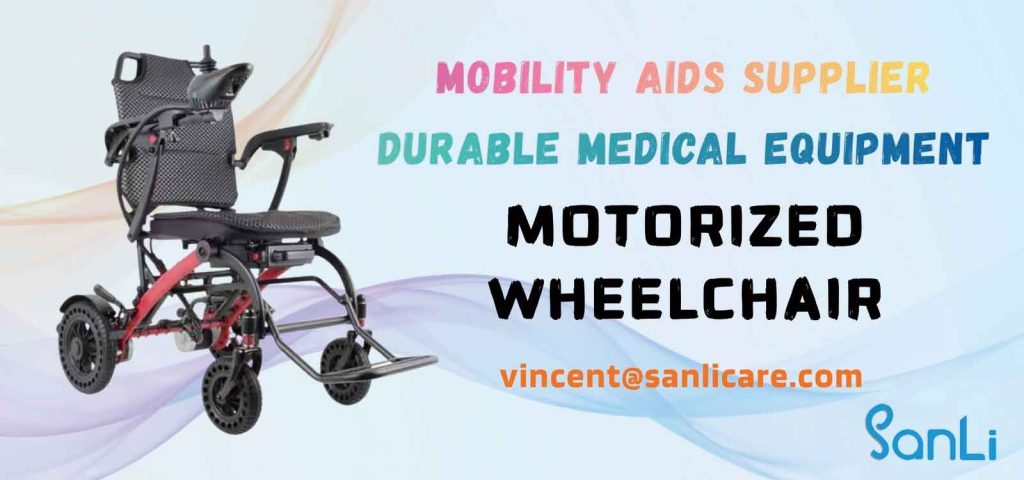
If you supply electric wheelchairs, power wheelchairs, or motorized wheelchairs to hospitals, retailers, or end users, you already know one truth: the battery often decides whether your customer stays happy or comes back with complaints. At SanLi Care, our factory has spent more than twenty years building durable medical equipment for international partners. We have watched distributors lose margin on frequent battery replacements and gain loyal customers when the right battery choice is made from the start.
This guide walks you through the real total cost of ownership, or TCO, between lithium-ion and lead-acid batteries in OEM electric wheelchairs. We will look at upfront price, lifespan, weight, maintenance, range, shipping impact, and how each option affects your business reputation and repeat orders. You will also see practical examples and clear recommendations so you can decide what works best for your markets. Many partners begin by reviewing our comprehensive guide to B2B electric wheelchairs wholesale procurement before making final decisions.
Key Takeaways
Lithium-ion batteries usually cost more at purchase but deliver far lower TCO over three to five years because they last much longer and need almost no maintenance.
Lead-acid batteries keep initial costs low, yet hidden expenses from replacements, heavier shipping, and downtime often make them more expensive in the long run.
Weight savings from lithium packs reduce sea-freight costs and make chairs easier for users to transport, improving satisfaction and your brand image.
Modern lithium options with proper battery management systems meet strict safety and certification requirements for export markets.
SanLi Care offers both battery types with full OEM and ODM customization so you can match the right solution to each customer segment.
Why Battery Choice Matters So Much for B2B Buyers
When you source from an Electric Wheelchairs Manufacturer or Power Wheelchairs Supplier, the battery is not just one component. It shapes the entire user experience and your after-sales workload. A heavy chair with short range frustrates active users. A battery that fails after one year damages trust in your brand.
Many wholesalers tell us their biggest pain points are unexpected replacement orders that eat into profits, customer complaints about heavy chairs that are hard to lift into cars or homes, long charge times that limit daily use, and shipping costs that rise because of heavy lead-acid packs. Choosing the right battery helps you avoid these issues and build stronger relationships with your buyers. In our experience, partners who understand TCO win more long-term contracts because their end users stay satisfied longer. Some distributors also benefit from first comparing manual and electric wheelchair options in B2B procurement to see where each power source fits best in their overall lineup.
Understanding the Two Battery Types
Lead-Acid Batteries: The Traditional, Lower-Upfront Option
Lead-acid, often sealed AGM or gel types, has powered wheelchairs for decades. The main appeal is simple: lower purchase price per unit. Many factories still offer them because some budget-conscious markets prefer the cheaper sticker price.
However, these batteries bring real limitations. They are heavy, often adding 20–30 kg or more to a complete chair. They need regular care such as checking fluid levels in older flooded versions or accepting shorter life in sealed types. Typical cycle life sits around 300–500 full charges before capacity drops noticeably. In daily use that can mean replacement every 12 to 24 months.
You also face slower charging, usually 8–12 hours, and lower efficiency, so less of the stored energy actually turns into driving distance. Over time these factors add up in maintenance calls, spare-part inventory, and lost sales when users look for lighter, longer-range alternatives.
Lithium-Ion Batteries: The Modern Choice for Most Markets
Lithium-ion, especially LiFePO4 chemistry used in quality medical devices, changes the equation. Upfront cost is higher, often two to three times that of lead-acid for similar capacity. Yet the benefits are substantial.
Industry data shows lithium batteries can deliver around 2000 cycles or more in real-world use, and some well-built packs reach 3000–4000 cycles. That translates to five to ten years of reliable service for most users. They are dramatically lighter, often cutting battery weight by 50–70 percent. A typical 24V lithium pack might weigh 9–12 kg instead of 40+ kg for lead-acid.
Charging is faster, often 2–4 hours to full, and you can use a higher percentage of the rated capacity without harming the battery. Voltage stays more stable, so motor performance feels consistent even as the charge drops. Many users report 15–25 miles of range instead of 10–15 miles on comparable lead-acid setups. Well-designed lithium systems also show strong longevity, with some mobility providers noting reliable performance for up to ten years under normal daily charging.
Breaking Down Total Cost of Ownership
TCO looks at every expense over the life of the product, not just the factory invoice. Here is a clear side-by-side view based on typical OEM configurations and real-world distributor feedback.
Comparison Table: 5-Year TCO Example for One Electric Wheelchair (approximate, based on common 24V 20–30Ah packs)
| Factor | Lead-Acid | Lithium-Ion | Winner for Most B2B Buyers |
|---|---|---|---|
| Upfront battery cost | Lower (baseline) | 2–3× higher | Lead-Acid |
| Expected lifespan | 1–2 years / 300–500 cycles | 5–10 years / 2000+ cycles | Lithium-Ion |
| Replacements in 5 years | 2–4 times | 0–1 time | Lithium-Ion |
| Maintenance & labor | Regular checks, cleaning, possible watering | Almost none | Lithium-Ion |
| Weight impact on shipping | Heavy – higher container costs | Light – lower freight costs | Lithium-Ion |
| Charge time & user convenience | 8–12 hours | 2–4 hours | Lithium-Ion |
| Typical range | 10–15 miles | 15–25+ miles | Lithium-Ion |
| Estimated 5-year TCO | Higher due to replacements & shipping | Often 30–50% lower overall | Lithium-Ion |
Many distributors see break-even around year three. After that, lithium keeps saving money while lead-acid costs keep climbing. Detailed analyses of advanced battery technologies confirm that the total cost per usable kilowatt-hour can be significantly lower with lithium solutions over the full service life.
How Battery Weight Affects Your Logistics and Customer Experience
Weight is one of the biggest hidden costs in international wholesale. Sea freight charges are often calculated by weight or volume. A container of 100 heavy lead-acid chairs costs more to ship than the same number of lithium models. That difference goes straight to your margin or forces you to raise prices.
Lighter chairs also sell better in retail and homecare channels. Users and caregivers appreciate being able to lift the chair into a car or store it easily. When you supply Motorized Wheelchairs Factory products that feel premium and easy to handle, your brand stands out. Real-world testing shows lithium packs can reduce total chair weight enough to improve portability without sacrificing stability or range. This matters especially for travel-friendly and folding models that are growing in demand. Independent evaluations confirm substantial weight reductions of 50 to 70 percent are achievable with quality lithium configurations.
Safety, Compliance, and What Your Markets Require
Both battery types can be safe when built correctly, but lithium requires proper battery management systems (BMS) to prevent over-charge, over-discharge, and overheating. Quality manufacturers test these systems thoroughly.
For export, you need the right certifications. Our electric wheelchairs export CE FDA ISO certification guide explains the full process, including how battery safety documentation fits into CE MDR, FDA 510(k), and ISO 13485 requirements. SanLi Care maintains these certifications and can supply the technical files your import process needs.
We also follow strict electric wheelchairs testing and quality control standards we follow at every stage, from incoming materials to final functional and durability tests. This protects your reputation and reduces return rates. Partners who want deeper insight often review our how to evaluate electric wheelchairs quality for wholesale before placing larger orders.
Performance Advantages and Market Trends
The market is clearly moving toward lighter, smarter, longer-range mobility solutions. Our review of latest electric wheelchair trends and opportunities from 2026 to 2030 shows continued growth in lithium adoption, fast-charging options, and integration with apps or smart features. Distributors who offer both battery choices today, with clear guidance on TCO, position themselves as trusted advisors rather than just price competitors.
Many forward-looking buyers now ask specifically for lithium options because their customers demand better performance and lower long-term hassle. Clinical perspectives from leading rehabilitation equipment providers also highlight how lithium’s lighter weight and higher energy density improve daily usability for power-assist and full powered models alike.
How SanLi Care Supports Your Wholesale Success
As a dedicated Electric Wheelchairs Manufacturer with full vertical integration, we give you options. You can choose lead-acid for the most price-sensitive segments or move to lithium for premium lines that protect your margins over time. Our team works with you on how to choose the right OEM and ODM electric wheelchairs customization so battery type, frame material, seat width, color, and even controller settings match your target markets.
We maintain rigorous quality processes and welcome partners who want to understand how to cooperate with Chinese electric wheelchair manufacturers as well as practical steps for how to source electric wheelchairs from China manufacturer. These resources help build smooth, long-term supply relationships.
If you want to start or expand quickly, explore our new launched products via the new launched electric wheelchairs collection. For the fastest way to build a complete wholesale lineup, review our hot selling products via the hot selling durable medical equipments page, which includes mobility scooters and complementary aids that pair well with electric wheelchair programs.
To find more helpful information tailored to international B2B buyers, we invite you to visit our blog for more helpful information.
Practical Steps to Calculate TCO for Your Next Order
List your expected annual sales volume and average selling price per chair.
Estimate battery replacement rate based on typical user habits in your market.
Add shipping cost difference per container between heavy and light battery versions.
Factor in after-sales time and parts cost for battery-related issues.
Project customer retention and repeat purchase rates for chairs that perform well over years.
Compare the totals over three and five years.
When you run these numbers, most wholesalers discover that lithium delivers better overall value once volume and reputation are considered. Comparisons from established mobility suppliers further support that lithium configurations often deliver stronger long-term ROI through reduced replacements and improved user satisfaction.
Frequently Asked Questions
What is the biggest difference in daily use between the two battery types? Lithium gives longer range per charge, faster recharging, and consistent power until the battery is nearly empty. Lead-acid range drops more noticeably as the charge decreases and requires longer charging times.
How much lighter is a lithium battery pack compared with lead-acid? In typical wheelchair configurations, lithium packs weigh 50–70% less. This reduction improves portability for users and lowers shipping expenses for you.
Will switching to lithium increase my product liability risk? Not when you work with a certified manufacturer. Quality lithium packs include advanced BMS protection and pass the same safety and EMC tests required for CE and FDA markets.
Can I offer both battery options to my customers? Yes. Many successful distributors stock both lines. Lithium for active or premium buyers, lead-acid for the most budget-focused segments. We help you configure clear product naming and marketing so buyers understand the value of each.
How does battery choice affect my after-sales workload? Lithium dramatically reduces battery-related service calls and warranty replacements. Your team spends less time handling complaints and more time on new sales.
What certifications should I look for regarding batteries in exported wheelchairs? Look for ISO 13485 for quality management, CE MDR or FDA registration for the complete device, and battery-specific safety reports such as UN38.3 for transport. SanLi Care supplies full documentation packages.
Is lithium worth it for markets where price is the only concern? Sometimes a well-specified lead-acid model still wins on pure upfront cost. However, even in price-sensitive regions, many buyers now calculate longer-term ownership and prefer lithium for reduced hassle and better user feedback.
How long does it take to see ROI after switching to lithium? Most distributors report break-even within two to three years through fewer replacements, lower shipping costs, and higher customer satisfaction leading to repeat business.
Partner With SanLi Care for Reliable, Profitable Supply
At SanLi Care we do more than manufacture chairs. We partner with brand owners, global traders, distributors, and wholesalers who want consistent quality, transparent communication, and support that helps their businesses grow. Whether you need standard models or fully customized OEM solutions, our factory stands ready with competitive pricing, flexible MOQ starting at 100 units, mix-container loading, and dedicated account management.
If you are ready to explore the right battery configuration for your next order or want a detailed quotation, simply send an email to inquiry@sanlicare.com. We respond quickly and provide clear pricing, lead times, and certification support tailored to your target markets.
To expand your knowledge, check these related resources as below:
Thank you for taking the time to understand the real numbers behind battery choice. We look forward to supporting your success with high-quality, well-engineered mobility solutions from our factory.