
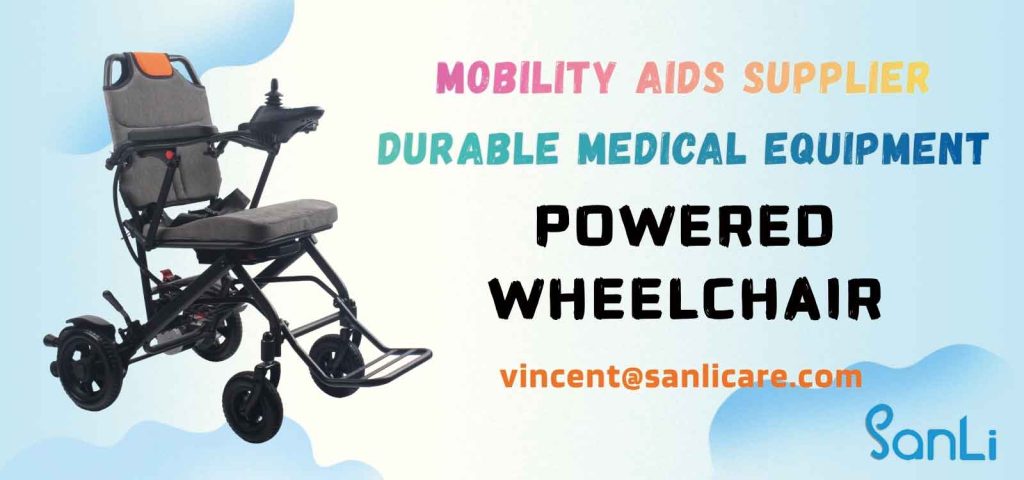
This in-depth guide compares heavy duty and standard electric wheelchairs specifically for bariatric users. It addresses real concerns that distributors, wholesalers, and brand owners face when sourcing reliable power mobility equipment in today’s market.
Key Takeaways:
Heavy duty electric wheelchairs provide essential safety margins, reinforced construction, and better comfort for users above 300–400 pounds, reducing risks that standard models simply cannot handle.
The main differences appear in frame strength, seat width and cushioning, motor power, battery performance under load, and overall stability.
Regulatory classifications, such as Medicare weight capacity groups, directly affect reimbursement eligibility and your customers’ purchasing decisions.
Quality testing to recognized standards and true customization options separate reliable manufacturers from the rest.
Partnering with an experienced factory gives you consistent supply, strong after-sales support, and products that build long-term trust with your clients.
Understanding Bariatric Users and Why the Right Wheelchair Matters
Bariatric users are individuals whose body weight creates specific mobility challenges. Many weigh 300 pounds or more, and some reach 500 pounds or higher. For these individuals, a standard electric wheelchair often falls short. It may feel unstable on small bumps, struggle on inclines, or cause pressure points that lead to painful skin issues.
You have probably heard stories from your own customers about equipment that failed too soon or left users feeling unsafe. That frustration hurts everyone — the end user loses independence, and your business risks returns and damaged reputation. In 2026, with ongoing demand for specialized mobility solutions, getting the choice right between heavy duty and standard models has become more important than ever. Exploring what electric wheelchairs trends and opportunities 2026-2030 reveal shows growing interest in robust options that truly support larger users.
As a professional in the durable medical equipment field, you know that the right chair does more than move someone from point A to point B. It protects dignity, supports daily activities, and gives family members peace of mind. That is exactly why understanding the real differences matters for your wholesale and distribution business.
What Standard Electric Wheelchairs Offer — and Where They Reach Their Limits
Standard electric wheelchairs, also called power wheelchairs or motorized wheelchairs, work very well for many users. They typically support 250 to 350 pounds, feature seat widths around 16 to 20 inches, and use motors in the 200–300 watt range. These models are lighter, easier to maneuver in tight indoor spaces, and usually cost less upfront.
However, when a user’s weight approaches or exceeds the rated capacity, problems appear quickly. The frame experiences higher stress during turns and transfers. Motors work harder and may overheat or wear faster. Batteries drain more quickly under extra load. Seat cushions may not distribute pressure well enough, raising the risk of discomfort or skin breakdown during longer sitting periods.
Many distributors have seen standard chairs returned because they simply were not built for the user’s actual needs. While these models remain excellent choices for lighter users, they are not the safe or practical option for most bariatric applications. When comparing manual and electric wheelchair B2B procurement, power models often provide better independence for heavier clients who cannot self-propel effectively.
What Makes Heavy Duty Electric Wheelchairs Different
Heavy duty electric wheelchairs are designed from the ground up for higher weight capacities, usually starting at 400 pounds and going to 600 pounds or more. Some specialized bariatric models reach 250 kg (about 551 pounds). The entire structure changes: thicker steel or reinforced aluminum tubing, wider wheelbases for stability, and often dual motors with 400 watts or higher per side.
Seats are wider — commonly 22 to 28 inches or more — and paired with deeper, pressure-relieving cushions. Many include or support power seating options such as tilt, recline, or elevating leg rests. These features help users shift weight, improve circulation, and make transfers safer and more comfortable.
Battery systems are often upgraded to maintain real-world range even when carrying extra weight. Anti-tip wheels and reinforced casters add another layer of security. The result is a chair that feels solid and predictable instead of flexing or struggling.
At SanLi Care, our heavy duty and bariatric lines undergo static load testing to three times the rated capacity, plus fatigue and durability testing that matches international expectations. This level of attention helps ensure the equipment performs reliably day after day and aligns with electric wheelchairs testing and quality control standards we follow in production.
Side-by-Side Comparison: Heavy Duty vs Standard for Bariatric Users
Here is a clear comparison to help you evaluate options for your customers:
| Feature | Standard Electric Wheelchair | Heavy Duty / Bariatric Electric Wheelchair | Why It Matters for Bariatric Users |
|---|---|---|---|
| Weight Capacity | 250–350 lbs typical | 400–600+ lbs (up to 250 kg in quality models) | Prevents overload, reduces structural failure risk, supports safe daily use |
| Frame Construction | Standard gauge materials | Reinforced tubing, often tested to 3× capacity | Maintains integrity during transfers and outdoor use; lowers long-term repair costs |
| Seat Width & Comfort | 16–20 inches, basic cushion | 22–28+ inches, contoured pressure-relief cushions | Better weight distribution, fewer pressure injuries, greater sitting tolerance |
| Motor Power | 200–300W per motor | 400W+ per motor, high torque | Reliable performance on slopes and thresholds with full user weight |
| Battery & Range | Standard capacity | Often larger or more efficient packs | Maintains usable range for real-world activities instead of cutting trips short |
| Stability & Safety | Basic anti-tippers | Wider base, enhanced anti-tip design | Builds user and caregiver confidence; reduces tipping incidents |
| Maneuverability | Excellent in tight indoor spaces | Slightly wider turning radius but strong power | Balances access with the power needed for varied environments |
| Initial Cost | Lower | Higher upfront investment | Better total cost of ownership through durability and fewer complaints |
| Best For | Average weight users | Bariatric and higher-weight users needing reliable support | Matches equipment to actual user requirements for safety and satisfaction |
This table shows why simply “upgrading” a standard chair rarely works well. True heavy duty models are engineered differently from the start. These classifications align with established Medicare weight capacity classifications for heavy duty power wheelchairs that many of your customers rely on for reimbursement decisions.
Important Factors for B2B Buyers and Distributors in 2026
When you source for your market, several practical considerations come into play. First, understand how regulations classify these products. Powered wheelchairs are generally treated as Class II medical devices by the FDA, which brings specific requirements for safety and performance. Matching the right class helps your customers navigate reimbursement more smoothly.
Quality and testing standards also matter greatly. Recognized methods for evaluating strength, stability, and durability, such as those in RESNA and ANSI standards for wheelchair strength, stability, and fatigue testing, help separate well-built chairs from those that may look similar on paper but fail in daily use.
Customization is another key advantage. Many of your clients want specific seat sizes, cushion types, color options, or power seating configurations to serve their local patient populations. Working with a manufacturer that offers genuine support lets you differentiate your offering without starting from scratch. Our approach to how to choose OEM ODM electric wheelchairs customization gives distributors real flexibility.
Supply reliability and after-sales support directly affect your business reputation. Consistent lead times, clear communication, and responsive warranty service turn one-time buyers into long-term partners. Many successful partners begin by reviewing our guide to B2B electric wheelchairs wholesale procurement to understand the full process.
Market demand continues to grow as more people seek mobility solutions that match their body size and lifestyle.
How SanLi Care Supports Your Success with Heavy Duty and Bariatric Solutions
With more than twenty years focused exclusively on durable medical equipment and rehabilitation therapy, SanLi Care has built deep experience in designing and manufacturing electric wheelchairs that meet real user needs. Our factory maintains vertical integration from frame production through final assembly and testing. This control helps us deliver consistent quality while keeping costs competitive for wholesale partners.
We offer bariatric electric wheelchairs rated up to 250 kg along with a full range of heavy duty power wheelchairs and motorized models. Every unit benefits from in-house laboratory testing, full traceability, and strict quality checks at multiple production stages. Our certifications support your import and sales processes in different regions, and we follow the electric wheelchairs export CE FDA ISO certification guide principles to make compliance straightforward.
To see our newest heavy duty and bariatric models with full specifications and features, visit the electric wheelchairs manufacturer page. If you want to start wholesale quickly and explore proven options across categories, browse our durable medical equipments manufacturer selection for hot selling products that move well in many markets.
We also provide dedicated support for projects of various scales, flexible ordering, and responsive account management. Whether you need minor modifications or fully tailored configurations, our team works closely with you. Experienced partners often reference our guidance on how to cooperate with Chinese electric wheelchair manufacturers when building long-term supply relationships.
Frequently Asked Questions About Heavy Duty and Standard Electric Wheelchairs for Bariatric Users
What weight capacity should I recommend for a user who weighs 450 pounds? A true heavy duty or very heavy duty model rated at least 500–600 pounds gives a safe margin. Using a chair at or near its maximum capacity every day shortens its life and increases risk. Always look for documented testing that confirms performance at the stated limit.
How can I tell if a heavy duty chair is genuinely built for bariatric use or just a standard model with a higher label? Ask for frame specifications, motor wattage, seat dimensions, and testing reports. Quality manufacturers provide details on static load testing, fatigue cycles, and stability results. When you follow how to evaluate electric wheelchairs quality for wholesale, you can quickly identify suppliers who deliver real engineering rather than marketing claims.
Do heavy duty electric wheelchairs require more maintenance than standard ones? They often need similar routine care — battery charging, tire checks, and occasional motor inspections. Because they handle higher loads, choosing models from manufacturers with strong quality processes usually means fewer unexpected repairs over the chair’s lifespan.
Can bariatric users benefit from power seating options like tilt or recline? Yes. These features help with pressure relief, posture support, and easier transfers. Many heavy duty frames are designed to accommodate power seating systems, which is especially valuable for users who spend long periods in their chair. Clinical considerations often highlight these benefits, consistent with clinical guidelines for wheelchair prescription in complex cases.
How do regulatory requirements affect which models I can sell in different countries? Most markets require medical device certifications such as CE or FDA registration. Some reimbursement programs also have specific weight-class rules. Working with a manufacturer experienced in export documentation and compliance makes the process smoother for your business.
What customization options are typically available for distributors? Common requests include different seat widths and depths, specialized cushions, frame colors for branding, and added accessories such as oxygen tank holders or weather protection.
How does extra user weight affect battery range and daily usability? Higher weight increases energy demand, especially on slopes or uneven surfaces. Quality heavy duty models often include efficient motors and appropriately sized battery packs to maintain usable range for typical daily activities.
Why should I source heavy duty bariatric models from a specialized factory rather than a general supplier? Specialized manufacturers focus on the unique engineering, testing, and support requirements of these products. They understand the safety and comfort needs of bariatric users and usually offer better long-term value through durability and responsive service. Many buyers also review our how to sourcing electric wheelchairs from China manufacturer insights before making decisions.
Moving Forward with Confidence in Your Sourcing Decisions
Choosing between heavy duty and standard electric wheelchairs for bariatric users is not just a technical decision — it is a business decision that affects your customers’ satisfaction and your reputation. The right equipment helps end users move through their days with greater safety, comfort, and independence. That positive experience often leads to repeat business and referrals for you.
At SanLi Care, we are committed to being a reliable long-term partner for brand owners, global traders, distributors, and wholesalers. Our focus remains on producing high-quality electric wheelchairs, power wheelchairs, and motorized wheelchairs that meet real clinical and daily living needs while supporting your commercial goals. Partners frequently reference our standing among top 10 electric wheelchair manufacturers worldwide in 2026 when evaluating supply options.
If you are ready to explore current models, discuss customization possibilities, or request detailed specifications and pricing, please reach out to us. You can send an email to inquiry@sanlicare.com for a quick quote or to ask any questions about our heavy duty and bariatric electric wheelchair range.
For even more helpful information, visit our blog regularly.
To expand your knowledge, check these related resources as below:
We look forward to supporting your business growth with dependable products and professional service.