
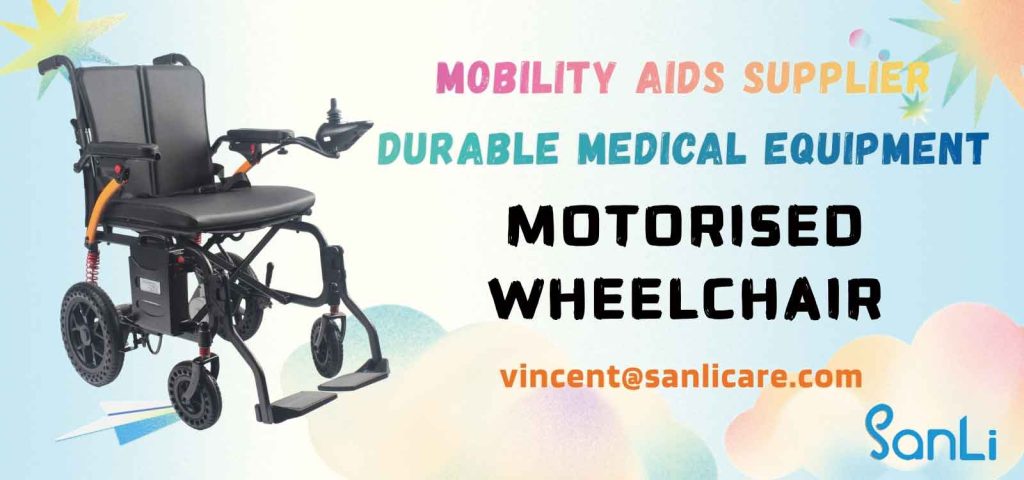
This in-depth guide helps distributors, wholesalers, brand owners, and global traders understand and implement post-market surveillance (PMS) requirements under the EU Medical Device Regulation (MDR) specifically for powered wheelchairs. Whether you source from an electric wheelchairs manufacturer or manage a full line of mobility solutions, this checklist protects patients, safeguards your business, and builds long-term trust in the rehabilitation therapy market.
Key Takeaways:
PMS is primarily a manufacturer responsibility, but distributors play a vital role in collecting real-world data and forwarding issues promptly.
Powered wheelchairs, as active medical devices, usually fall into Class IIa and carry specific risks that require careful monitoring.
A clear, documented process for complaints, training, and reporting keeps you compliant and competitive.
Partnering with an experienced motorized wheelchairs factory like SanLi Care gives you ready access to technical files, training materials, and responsive support.
Following this checklist reduces regulatory risk, strengthens your reputation, and helps you grow your wholesale business with confidence.
Post-Market Surveillance under MDR for Powered Wheelchairs: Distributor Checklist
You work hard every day to bring reliable mobility solutions to hospitals, rehabilitation centers, and end users who depend on them. When it comes to powered wheelchairs, the stakes feel even higher. These devices give people freedom, dignity, and independence. At the same time, they fall under strict European rules designed to keep patients safe long after the sale.
That is where post-market surveillance under the MDR comes in. As a distributor or wholesaler, you do not carry the full burden of creating a PMS system, yet you hold an important piece of the puzzle. You sit closest to real users. You hear their feedback. You see how the products perform in daily life. Your job is to capture that information and share it quickly with the manufacturer.
We at SanLi Care have spent more than twenty years as a dedicated electric wheelchairs manufacturer and power wheelchairs supplier. We know the pressure you face. Regulatory demands grow every year, customers expect flawless performance, and one serious incident can damage years of hard work. That is why we created this practical checklist — to help you stay compliant, protect the people who use these devices, and grow your business with peace of mind. Current electric wheelchair trends and opportunities projected for 2026 through 2030 show rising demand for devices backed by strong post-market systems, making compliance not just a requirement but a real business advantage.
Why Post-Market Surveillance Matters for You as a Distributor
The MDR requires manufacturers to monitor their devices after they reach the market. This ongoing watch helps catch problems early, improve products, and protect public health. Distributors like you are listed as key sources of information in the regulation. You receive complaints, observe performance issues, and interact with healthcare professionals every day.
When you handle this information well, everyone wins. End users stay safer. Your reputation grows. You avoid costly market actions or legal trouble. When you partner with a responsible motorized wheelchairs factory, the process becomes smoother because the manufacturer already has robust systems in place and can support you with training and documentation. Many partners find our complete guide to B2B electric wheelchairs wholesale procurement especially useful for aligning daily operations with these regulatory expectations while scaling sales.
Understanding Where Powered Wheelchairs Fit under the MDR
Powered wheelchairs are active medical devices. They rely on batteries and motors to move. Classification depends on their exact features and intended use, but most electrically powered models fall into Class IIa. This class brings additional requirements for the manufacturer, including notified body involvement for many conformity assessments.
As a distributor, you do not perform the classification yourself. However, you should confirm with your supplier that the correct class has been determined and that all technical documentation supports it. This knowledge helps you explain the product accurately to your customers and understand why certain monitoring steps are necessary. The MDCG guidance on classification of medical devices provides clear rules that manufacturers follow when determining the appropriate class for active mobility devices like these.
Distributor Obligations under the MDR — What the Rules Actually Require
The MDR places clear duties on distributors. You must verify that devices carry proper CE marking and documentation before placing them on the market. You must store and transport them correctly. Most importantly for PMS, you must collect and forward information about performance and safety to the manufacturer without delay.
You also cooperate fully if a field safety corrective action or recall becomes necessary. These obligations exist to create a continuous flow of information from the real world back to the people who design and build the devices. Guidance from the Medical Device Coordination Group clarifies exactly how distributors contribute valuable real-world data to the manufacturer’s overall PMS system.
Comprehensive Distributor Checklist for PMS Compliance
Use this checklist as your day-to-day reference. We recommend printing it, turning it into a simple internal procedure, and reviewing it with your team at least once a year.
Set up a clear complaint and feedback collection system Create an easy way for customers, clinicians, and end users to report any issue — big or small. Use a simple form on your website, a dedicated email address, or even a short phone script. Log every report with date, product model, serial number, and description of the concern. This data feeds directly into the manufacturer’s PMS system. Strong electric wheelchairs testing and quality control standards at the factory level make it easier to trace issues back to specific batches or design elements.
Train your entire team on recognizing reportable events Not every complaint is a serious incident, but your staff needs to know the difference. Serious incidents involve death, serious deterioration in health, or potential for such outcomes. Provide short training sessions twice a year. We at SanLi Care can supply ready-to-use training materials and even join virtual sessions with your team.
Forward information to the manufacturer quickly and completely Do not sit on reports. Serious concerns should reach the manufacturer within days, sometimes hours. Keep records of every communication. This protects you and helps the manufacturer meet their strict vigilance timelines. The MDCG 2025-10 guidance on post-market surveillance stresses the importance of timely, complete information sharing between distributors and manufacturers to protect patients effectively.
Maintain organized records and traceability Keep complaint logs, correspondence, and any corrective actions for the period required by the MDR. Good records make audits painless and demonstrate your commitment to safety.
Participate actively in any field safety corrective actions If the manufacturer issues a safety notice or recall, act fast. Inform your customers, manage returns or upgrades, and document everything. Your quick response protects patients and preserves trust.
Monitor storage, transport, and handling conditions Temperature extremes or rough handling can affect batteries and electronics in powered wheelchairs. Include simple checks in your warehouse procedures and train logistics partners.
Stay informed about regulatory updates Rules and guidance documents evolve. Subscribe to updates from competent authorities and review changes with your key suppliers. A strong electric wheelchairs manufacturer will alert you to relevant developments that affect your product range. Our detailed electric wheelchairs export CE, FDA, and ISO certification guide helps partners stay ahead of these changes across different markets.
Review PMS data with your supplier on a regular schedule Ask for periodic summaries of complaints or trends related to the models you distribute. This helps you spot patterns early and make better stocking decisions. Partners who regularly evaluate electric wheelchairs quality for wholesale often catch potential issues before they reach end users.
Document your own internal PMS-related procedures Write down who is responsible for each step above. This shows auditors that you take your role seriously and creates consistency even when team members change.
Build a culture of safety, not just compliance Talk openly with your team about why these steps matter. When everyone understands that behind every serial number is a person who needs reliable mobility, the work feels meaningful instead of bureaucratic.
How SanLi Care Supports Your PMS Responsibilities
We do not just ship products. We stand beside our partners through the entire product lifecycle. As a vertically integrated motorized wheelchairs factory with ISO 13485 certification and full CE MDR compliance, we maintain a complete PMS system on our side. We share relevant data with you, provide technical files quickly, and respond to questions within 24 hours in most cases.
When you source from us, you gain access to detailed test reports, risk management files, and clear instructions for use that already incorporate years of real-world feedback. This foundation makes your own monitoring work much easier. Many successful partners started by learning effective ways to cooperate with Chinese electric wheelchair manufacturers and discovering selecting the best OEM and ODM electric wheelchairs customization options that fit their specific market needs and compliance requirements.
To see our newest models designed with compliance in mind, visit the page featuring our latest new launched electric wheelchairs and power wheelchairs. If you want to start your wholesale business in the fastest way possible with proven hot sellers, explore our range of hot-selling durable medical equipment and mobility aids.
Common Challenges Distributors Face and Practical Solutions
Many wholesalers tell us the biggest hurdle is simply knowing what to report and when. The line between a minor complaint and a reportable incident can feel blurry at first. Our solution is straightforward: when in doubt, contact us immediately. We help you evaluate the situation and guide you on next steps.
Another frequent pain point is time. Running a wholesale business already demands long hours. Adding regulatory tasks can feel overwhelming. That is why we offer ready-made templates for complaint logging and short video training modules you can assign to new staff. These tools save you hours while improving consistency.
Some distributors worry about damaging the relationship with their manufacturer if they report problems. We see it differently. Honest feedback helps us improve products, which ultimately benefits everyone. We actively welcome your input because it makes our electric wheelchairs and power wheelchairs better for the next customer. Understanding the differences between manual and electric wheelchair B2B procurement often helps teams allocate resources more effectively between product lines while maintaining strong PMS processes across both.
The Business Benefits of Getting PMS Right
Strong PMS practices do more than keep regulators happy. They reduce the chance of expensive recalls or liability claims. They build trust with hospitals and rehabilitation centers that prefer suppliers who demonstrate genuine care for safety. They also give you an edge when tendering for larger contracts, because many procurement teams now ask about post-market processes.
When you work with a reliable partner like SanLi Care, compliance becomes a competitive advantage instead of a burden. You can focus on growing sales and serving your customers while we handle the complex technical side. Insights from our list of the top 10 electric wheelchair manufacturers worldwide in 2026 show that leading factories succeed by treating post-market feedback as a core part of continuous improvement.
Real Stories from Partners Like You
One European distributor we work with noticed a pattern of battery-related feedback on a particular power wheelchair model. Because they had a simple logging system in place, they spotted the trend within weeks and shared the details with us. We investigated, made a small design improvement, and issued updated guidance. No serious incidents occurred, and the distributor strengthened their relationship with both us and their own customers.
Another partner in the Middle East used our training materials to prepare their warehouse team. When a minor transport issue arose, the team recognized it quickly, documented everything correctly, and the situation was resolved before it affected end users. These small wins add up to safer products and stronger businesses.
Frequently Asked Questions
What is the main difference between PMS and vigilance under the MDR? PMS is the overall ongoing monitoring system that manufacturers must maintain. Vigilance refers to the specific reporting of serious incidents and field safety corrective actions to competent authorities. Distributors support both by feeding information upward quickly and accurately.
Do distributors need their own full PMS plan? No. The manufacturer creates and maintains the PMS plan and system. Your role is to cooperate, collect relevant data from the market, and forward it. However, having your own clear internal procedures makes cooperation smooth and demonstrates due diligence.
How quickly must I report a serious incident? Report any serious incident or potential serious incident to the manufacturer as soon as you become aware of it. The manufacturer then has strict legal timelines (often 10 or 15 days depending on severity) to notify authorities. Speed at your end helps everyone meet those deadlines.
What kind of complaints should I log even if they seem minor? Log everything related to safety, performance, or unexpected behavior. This includes difficulty with controls, unusual noises, battery issues, structural concerns, or user discomfort. Small issues can reveal larger trends when viewed together.
How does SanLi Care help with PMS data collection? We provide simple reporting templates, maintain open communication channels, and share periodic summaries of relevant trends. We also offer training so your team feels confident identifying and escalating issues.
Are powered wheelchairs always Class IIa? Most electrically powered wheelchairs are classified as Class IIa because they are active devices. Final classification depends on specific features and intended use. Always confirm the classification with your manufacturer and keep the declaration of conformity on file.
What happens if I fail to forward important information? Failure to cooperate can lead to regulatory action against your company, including restrictions on placing devices on the market. More importantly, it can put patients at risk. Good processes protect everyone.
Can I use digital tools to manage complaints and traceability? Yes. Many distributors use simple spreadsheets or affordable software. The key is consistency, searchability, and the ability to export data when the manufacturer or an auditor requests it. We can advise on basic setups that work well with our documentation.
Moving Forward with Confidence
You chose this industry because you want to help people move through life with greater freedom and dignity. Regulatory compliance, when handled well, supports exactly that mission. It ensures the powered wheelchairs you supply continue to perform safely year after year.
At SanLi Care we are proud to stand with distributors who take this responsibility seriously. Our factory has built its reputation on quality, transparency, and genuine partnership. Whether you need help refining your internal processes, training your team, or simply sourcing reliable electric wheelchairs and mobility scooters that already meet the highest standards, we are here.
For even more helpful information on DME, compliance, and market opportunities, we invite you to visit our regularly updated blog for more helpful information on DME and compliance.
For a quick quote or to discuss how we can support your powered wheelchair wholesale needs, email us at inquiry@sanlicare.com.
To expand your knowledge, check these related resources as below:
We look forward to supporting your success in the durable medical equipment and rehabilitation therapy market. Together, we can deliver safer, more reliable mobility solutions to the people who need them most.