
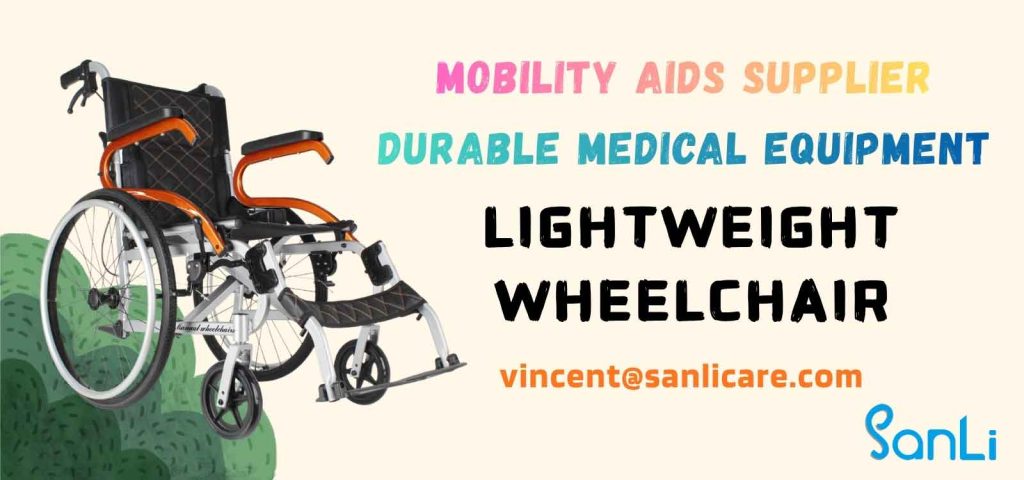
In today’s busy hospitals, wheelchairs serve as essential mobility aids that help patients move safely from one area to another many times each day. Behind this daily activity stands an important duty: keeping these devices clean and properly disinfected. For hospital procurement teams, distributors, and wholesalers who work with a reliable durable medical equipment manufacturer, knowing these standards goes far beyond simply checking boxes on a list. It represents a real commitment to patient safety, smoother daily operations, and smart long-term savings.
At SanLi Care, a trusted mobility aids supplier with more than twenty years of manufacturing experience, we fully understand the daily pressures faced by healthcare teams. Hospitals must handle large numbers of patients, work with limited staff, and meet constantly changing rules for infection control. When wheelchairs are not cleaned correctly, they can quietly spread germs that cause healthcare-associated infections. These problems often lead to longer hospital stays, higher treatment costs, and added worry for patients and their families. By selecting well-designed equipment and following proven cleaning steps, procurement professionals can protect patients and create a stronger supply chain.
This detailed guide explains the standards, common difficulties, and practical answers that every hospital buyer and wholesaler needs to know. Whether you handle purchasing for a large hospital group or supply durable medical equipment to local clinics, you will gain useful ideas that improve your work and build better partnerships with manufacturers like SanLi Care.
Why Wheelchair Cleaning and Disinfection Standards Matter in Hospitals
Hospitals exist to help people heal, yet shared items such as wheelchairs can spread germs when cleaning is overlooked. Health guidelines worldwide classify wheelchairs as non-critical equipment because they touch intact skin but not open wounds or mucous membranes. Still, they require careful cleaning followed by low-level disinfection after each patient use. When these steps are missed, infection rates rise, audits result in warnings, and trust from patients and oversight groups decreases.
Procurement teams frequently search online for clear answers. Common questions include “How often must wheelchairs be disinfected?” and “Which materials allow faster cleaning in busy wards?” The difficulties are easy to see. Many facilities lack simple systems to separate clean and dirty wheelchairs, so soiled ones sometimes return to service by mistake. Cushions with many seams or absorbent fabrics hold onto dirt and liquids, making thorough cleaning take too much time. Shortages of staff create extra pressure, and unclear instructions from suppliers can lead teams to use strong chemicals that shorten the life of the equipment.
These same issues affect wholesalers and distributors. Their customers want products that meet safety rules and make everyday care simpler. Equipment that stands up to repeated disinfection without wearing out quickly saves money on replacements and keeps downtime low. SanLi Care solves these problems with careful design choices such as smooth powder-coated frames, easily removable cushions, and materials tested to work safely with hospital-grade disinfectants. Every wheelchair that leaves our factory is built to support strong infection prevention right from the first day of use.
The Real Cost of Poor Wheelchair Hygiene
Failing to maintain proper cleaning standards carries hidden expenses. Healthcare-associated infections add thousands of dollars per patient in extra treatment and extended stays. Staff time spent on repeated deep cleaning or handling complaints increases operational costs. In addition, regulatory fines or lost contracts with insurance providers can damage a facility’s reputation and budget. Distributors who supply non-compliant equipment risk returns and unhappy clients, which slows business growth. By contrast, choosing equipment from an experienced durable medical equipment manufacturer reduces these risks and delivers measurable savings over time. SanLi Care’s focus on durable, easy-to-clean designs helps partners avoid these costly problems and focus instead on providing excellent care.
Understanding Hospital Procurement Compliance for Mobility Aids
Compliance starts well before equipment arrives at the loading dock. Procurement departments must confirm that suppliers hold key certifications such as ISO 13485 for quality management of medical devices, CE MDR for European markets, and FDA registration for the United States. These marks show that products are made under strict controls and include complete instructions for cleaning and disinfection.
For wholesalers and distributors, compliance also means picking partners who supply full paperwork, clear product tracking, and steady support. During hospital audits, reviewers examine cleaning logs, staff training records, and proof that equipment was maintained exactly as the manufacturer directed. Breaking these rules can lead to canceled contracts, financial penalties, or even temporary loss of payment from government programs.
A frequent question during supplier reviews is whether the chosen durable medical equipment manufacturer thinks about real hospital hygiene needs during design. Features like seamless upholstery, quick-release parts, and rust-resistant frames make daily cleaning faster and more effective. SanLi Care uses vertical integration—from selecting raw materials to final testing—to make sure every batch meets these high expectations. This approach gives procurement teams confidence that the products they buy will support smooth audits and safe patient care.
Key Standards and Guidelines for Wheelchair Disinfection
Major health organizations provide clear frameworks that hospitals follow. Wheelchairs require two main actions: thorough cleaning to remove visible dirt and low-level disinfection with approved hospital-grade products that destroy common bacteria, viruses, and fungi. Disinfectants must stay wet on all surfaces for the full contact time shown on the label, usually between three and ten minutes.
Approved products often include quaternary ammonium compounds, hydrogen peroxide solutions, and 70 percent isopropyl alcohol wipes for electronic controls. Always test a small hidden area first to protect finishes. Power wheelchairs need special attention around batteries, joysticks, and wiring. Turn off the device, unplug it if possible, and never spray liquid directly onto electrical parts. SanLi Care includes detailed manufacturer instructions for use with every product so hospitals can create consistent checklists that satisfy accreditation requirements.
Choosing the Right Wheelchair Materials for Easy Disinfection
Material selection plays a major role in how easily equipment meets cleaning standards. Powder-coated aluminum frames resist rust even after hundreds of disinfection cycles. Smooth, non-porous surfaces wipe clean without trapping residue. Detachable cushions with washable covers allow quick removal and laundering or wiping, reducing labor time dramatically. SanLi Care tests all materials against common hospital disinfectants to confirm they hold up well over years of use. These thoughtful choices help procurement teams select products that stay reliable and look professional long after purchase.
Step-by-Step Wheelchair Cleaning and Disinfection Protocol
Successful hospitals use a clear, repeatable process. The following steps give procurement teams a ready-to-share protocol that works well with suppliers and frontline staff.
Step 1: Preparation Wear gloves and any other needed protective gear. Move the wheelchair to a dedicated cleaning zone away from patient areas. Remove all accessories including cushions, footrests, trays, and oxygen holders.
Step 2: Remove Visible Soil Vacuum or brush away loose debris from wheels, frames, and the undercarriage. Wipe every surface with a neutral detergent solution and a clean microfiber cloth. Give extra attention to high-touch points such as armrests, push handles, joystick controls, and seat edges.
Step 3: Clean Fabric and Cushions For models with detachable cushions—a standard feature on many SanLi Care wheelchairs—remove the covers and launder or wipe them according to the label. Allow everything to air-dry completely before putting parts back together to stop mold from forming.
Step 4: Disinfect All Surfaces Use a fresh cloth or pre-moistened hospital-grade wipes to apply disinfectant. Cover all areas fully and keep surfaces wet for the required contact time. On power models, use alcohol wipes on controls and dry them right away.
Step 5: Final Inspection and Documentation Look for any damage or wear that could affect safety. Record the cleaning date, staff initials, and the wheelchair’s serial number in the facility log. Place a clear “Clean and Ready” label before returning the unit to service.
Many hospitals post laminated checklists near cleaning stations to keep the process consistent. SanLi Care supports this practice by offering both digital and printed instructions customized to fit individual operations.
| Cleaning Task | Frequency | Recommended Tools | Notes for Compliance |
|---|---|---|---|
| High-touch surfaces | After every patient use | Hospital-grade disinfectant wipes | Record each session in the log |
| Full frame and wheels | Daily or when visibly soiled | Neutral detergent plus disinfectant | Check for wear during inspection |
| Cushions and upholstery | Weekly or between patients | Washable covers or approved wipes | Complete drying is required |
| Electrical components | Weekly | 70% isopropyl alcohol wipes and dry cloth | Power off device first |
| Deep cleaning (undercarriage) | Monthly | Brush, vacuum, and full protocol | Full documentation for audits |
Common Challenges and Pain Points—and How to Overcome Them
Procurement teams often describe the same frustrations when reviewing suppliers. Tracking systems for clean versus dirty equipment may be missing, causing mix-ups. Designs with many crevices or absorbent fabrics slow cleaning teams down. Tight budgets sometimes push buyers toward lower-cost options that break down quickly under frequent disinfection.
The answer lies in smart supplier selection. Choose manufacturers that offer lightweight aluminum frames resistant to rust and smooth powder coatings that clean easily. Detachable, machine-washable cushions cut cleaning time sharply. SanLi Care builds these helpful features into every model because we listen closely to feedback from hospitals and distributors around the world.
Staff training forms another vital part of success. Regular workshops help everyone follow the same steps, cutting down on mistakes and raising confidence. Wholesalers who partner with a manufacturer that supplies training videos and webinars see benefits across the entire supply chain. These small investments lead to fewer errors, happier staff, and better patient outcomes.
How SanLi Care Supports Hospital Compliance Through Superior Design
As a leading durable medical equipment manufacturer and mobility aids supplier, SanLi Care designs every wheelchair with cleaning ease and long service life in mind. Aluminum and steel frames receive strong powder-coating that creates smooth, non-porous surfaces able to withstand hospital disinfectants. Many models include quick-release components and commode-style options that simplify hygiene routines.
We know hospitals and wholesalers require equipment that performs reliably day after day. That is why we keep complete traceability records, run fatigue and environmental tests, and provide clear maintenance guidance with every unit. Distributors who select SanLi Care products often report fewer returns, higher customer satisfaction, and smoother audit experiences.
If you are comparing suppliers, consider our guide to sourcing durable medical equipments for wholesale. It gives practical advice written especially for B2B buyers. Our detailed how to select right wheelchairs supplier for your business helps procurement teams ask the right questions about compliance and ongoing support.
For growth-minded businesses, explore lightweight wheelchairs wholesale strategies for B2B growth and discover what to look for when selecting mobility aids for B2B needs. Finally, check whether your current stock meets standards by reading are your durable medical equipments meet compliance standard.
Procurement Best Practices for Wholesalers and Distributors
When starting or growing a durable medical equipment wholesale business, speed to market matters. Visit our durable medical equipments manufacturer page to view hot-selling models ready for fast bulk orders, including lightweight folding wheelchairs, commode chairs, rollators, and more. These popular items help new wholesalers launch quickly while satisfying hospital needs for easy-clean designs.
Newcomers to the industry will find the comprehensive resource how to start durable medical equipment wholesale business extremely helpful. It walks through every stage from first contact to after-sales service and highlights our newest product recommendations.
Training Your Team: Best Practices for Consistent Compliance
Successful compliance depends on well-trained staff. Schedule short monthly refreshers that review the step-by-step protocol and demonstrate proper disinfectant use. Provide simple visual aids and quick-reference cards at cleaning stations. SanLi Care offers free training videos and webinars that distributors can share with their hospital customers. These resources help reduce errors and build a culture of safety that patients and families can feel.
Frequently Asked Questions
What are the core responsibilities of a durable medical equipment manufacturer regarding cleaning standards? A responsible manufacturer supplies clear, tested cleaning instructions, chooses materials that work safely with hospital disinfectants, and offers documentation that supports audits. SanLi Care goes further by creating products that make daily maintenance simpler and faster.
How does a mobility aids supplier ensure hospital procurement compliance? Suppliers maintain current certifications, deliver fully traceable products, and work with customers to meet specific hygiene requirements. Companies like SanLi Care also provide training materials and quick updates when regulations change.
Can improper wheelchair disinfection lead to regulatory penalties? Yes. Not following approved protocols can result in citations during accreditation audits, which may affect reimbursement and future contracts. Selecting compliant equipment from the beginning greatly lowers these risks.
What features should hospitals request when buying bulk wheelchairs? Look for smooth, non-porous surfaces, removable cushions, corrosion-resistant frames, and complete manufacturer instructions. These details shorten cleaning time and extend the useful life of each unit.
How often should power wheelchairs be cleaned in a hospital setting? High-touch areas need daily wiping, and a full clean plus disinfection should occur between patients or at least weekly. Always follow the exact guidance provided by the manufacturer.
What disinfectants are safe for mobility aids? Hospital-grade quaternary ammonium compounds, hydrogen peroxide solutions, or 70 percent isopropyl alcohol are usually safe. Test on a small area first and avoid bleach or harsh abrasives unless the manufacturer approves them.
How can wholesalers verify a manufacturer’s cleaning compatibility claims? Ask for material safety data sheets, independent test reports, and sample units for your own trials. SanLi Care gladly supports these evaluations to build confidence.
Does SanLi Care offer support for hospital staff training on equipment maintenance? Yes. We supply detailed manuals, instructional videos, and live webinars so your teams can follow best practices with confidence.
How do international standards differ for wheelchair cleaning? While core steps remain similar worldwide, contact times and approved disinfectants can vary by region. SanLi Care designs products to meet the strictest global requirements so exporters and importers face fewer complications.
What should new wholesalers consider first when choosing cleaning-friendly equipment? Focus on lightweight, rust-resistant frames and detachable components that speed up daily routines. Partnering with an established manufacturer like SanLi Care gives you access to proven models and ongoing support.
Conclusion and Call to Action
Maintaining strong wheelchair cleaning and disinfection standards is a shared duty that safeguards patients, supports efficient hospital operations, and builds lasting business relationships throughout the supply chain. By working with an experienced durable medical equipment manufacturer such as SanLi Care, procurement teams and wholesalers receive more than quality products—they gain confidence through reliable performance, full compliance, and dedicated assistance.
To find more helpful information for your business, visit the SanLi Care blog.
To expand your knowledge, check these related resources as below:
Practical Detachable Cushion for Easy Cleaning in Wheelchair
Hospital vs Home Care Matching Standard Wheelchairs Insights
For a quick quote or any questions about our products, please send an email to inquiry@sanlicare.com. We look forward to supporting your success in delivering safe, reliable mobility solutions to those who need them most.