
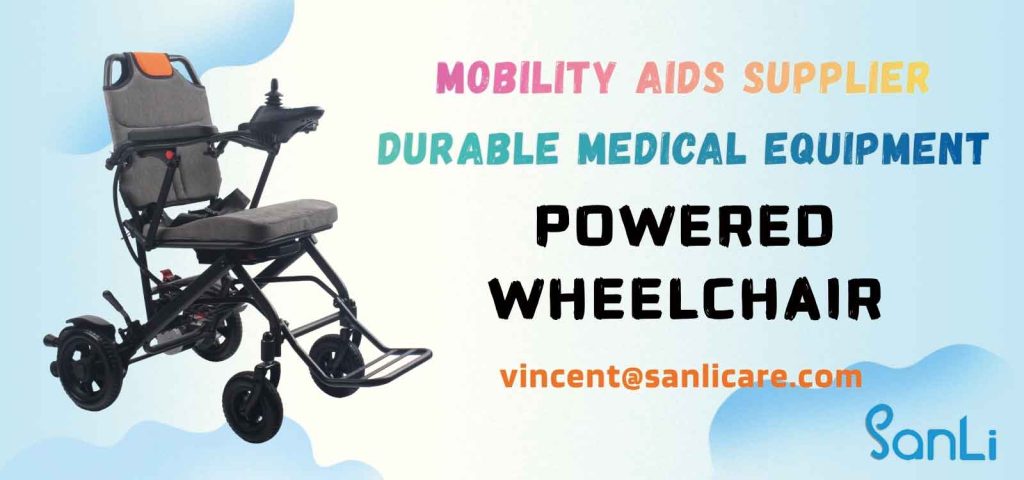
This in-depth guide helps B2B professionals in the durable medical equipment and rehabilitation therapy markets understand when ODM modifications deliver faster, lower-cost results and when full custom development creates unique competitive advantages. It draws on over 20 years of factory experience to address real procurement challenges with clear comparisons, practical solutions, and actionable advice.
Key Takeaways:
ODM modifications typically reduce upfront costs and shorten lead times by leveraging existing designs and tooling.
Full custom development offers maximum differentiation but requires higher investment and longer timelines.
Vertical integration and in-house capabilities can deliver 10-20% overall savings and more reliable schedules.
Matching the approach to your business goals, volume, and market entry timeline protects both budget and reputation.
Partnering with an experienced manufacturer simplifies compliance, quality control, and after-sales support for global wholesale success.
ODM Modifications vs Full Custom Development: Cost and Lead Time Comparison
You have a great idea for a new line of electric wheelchairs or power wheelchairs. Maybe you want to add a special color, a unique seat system, or features tailored to a specific group of users. Now you face a big decision: start with modifications to proven designs or invest in full custom development from the ground up. Both paths can work, but they affect your costs, your timeline, and how quickly you can reach customers in meaningful ways.
We at SanLi Care understand the pressure you feel. As a factory with more than 20 years focused on durable medical equipment and rehabilitation therapy products, we have supported brand owners, global traders, distributors, and wholesalers across many markets. We have seen how the right choice at the beginning shapes everything that follows — from inventory turnover to customer satisfaction and long-term profitability.
In this guide, we walk through the real differences between ODM modifications and full custom development. We look at costs and lead times with honest numbers drawn from our production experience and industry patterns. We also share the pain points we hear most often and the practical solutions that have helped our partners succeed. Along the way, we highlight how our vertical integration, rigorous quality systems, and one-stop support make both options smoother and more reliable for you.
What ODM Modifications Really Mean for Electric Wheelchairs
ODM modifications start with designs we already produce successfully. We adjust colors, branding, certain accessories, upholstery, or minor frame details without creating entirely new molds or tooling. This approach keeps the core engineering, safety testing, and production processes that already work well.
For you as a distributor or brand owner, this often means lower risk and faster entry into the market. You can test customer response with a differentiated product without the full expense of starting from zero. Many partners use ODM modifications to refresh their catalog quickly or to enter a new region with localized touches.
Our factory handles these changes efficiently because we control every step in-house — from raw material inspection through robotic welding, powder coating, and final assembly. That control helps us maintain consistent quality while keeping lead times reasonable.
If you want to understand the broader sourcing landscape before deciding, our guide to B2B electric wheelchairs wholesale procurement offers valuable context on planning orders and managing supply chains.
What Full Custom Development Involves
Full custom development begins with your specific ideas and requirements. We work with you on new frame geometry, unique seating systems, special controls, or features for particular user groups such as pediatric users who need growth accommodation or bariatric models with higher weight capacities. This path usually requires new tooling, additional design validation, and sometimes expanded testing.
The reward is a product that truly stands apart in the market. You own the design direction and can build stronger brand identity or even pursue specific patents. For wholesalers and traders targeting niche segments or premium positioning, this exclusivity can justify the extra investment over time.
We support full custom projects with 3D CAD modeling, finite element analysis, and rapid prototyping. Samples can often be ready in days to weeks once the concept is clear. Because we keep engineering and production under one roof, we can catch potential issues early and keep communication direct.
Our insights from comparing manual and electric wheelchair B2B procurement show how different product types fit various customer segments and help you decide where custom features add the most value.
Cost Comparison: Where the Money Goes
Cost is usually the first question we hear. Here is a clear breakdown based on typical projects we handle.
Upfront investment ODM modifications generally involve little or no new tooling cost because we use existing molds and fixtures. You may pay only for sample production and minor adjustments. Full custom development often includes tooling and mold creation, which can represent a significant one-time expense, especially for complex frame or seating changes.
Per-unit production cost Both options benefit from volume. Larger orders lower the unit price in either case. However, full custom models sometimes carry a slightly higher base cost due to specialized components or extra quality checks. Our vertical integration — controlling raw materials, fabrication, coating, and assembly internally — helps reduce waste and overhead, delivering meaningful savings that apply to both paths.
Hidden and ongoing costs Late design changes in any project can multiply expenses dramatically because they affect already completed work. Regulatory documentation and testing also add to the total. ODM modifications usually reuse much of the existing compliance package, while full custom may require additional validation steps.
Industry observations confirm that design changes made later in development drive up costs far more than early adjustments. We always encourage clear communication at the start so we can guide you toward the most efficient route.
Our practical advantage Because we manage everything from material sourcing to final packaging in one location, partners often see overall project savings compared with working through multiple vendors. We also offer tiered pricing and work with you on payment terms that support healthy cash flow.
To see how quality evaluation fits into cost decisions, read our guide on how to evaluate electric wheelchairs quality for wholesale. Strong quality systems protect your margins by reducing returns and warranty claims.
Lead Time Comparison: From Idea to Delivery
Time to market directly affects your revenue and competitive position. Here is how the timelines typically compare.
Sample stage For both ODM modifications and full custom projects, we aim to deliver samples in 7 to 15 working days after design confirmation and initial payment. Our in-house rapid prototyping capabilities, including 3D printing support, help us move quickly.
Mass production ODM modifications generally allow faster production ramp-up because the core processes and quality validations are already established. Bulk orders often move into production within a few weeks of sample approval. Full custom development adds time for new tooling fabrication, process validation, and any additional regulatory submissions before mass production can begin.
Overall project timelines reflect these differences. ODM routes often reach the market in a shorter window, while full custom projects require more calendar time but deliver greater uniqueness.
Shipping adds another layer. Air freight offers speed for urgent needs, while sea freight provides better economics for larger volumes. We build realistic buffers into every quote so you can plan inventory and sales launches with confidence.
Many partners ask about cooperation with Chinese manufacturers and realistic schedules. Our post on how to cooperate with Chinese electric wheelchair manufacturers shares proven practices that keep projects on track.
Common Pain Points and Practical Solutions
We listen carefully to the challenges our B2B customers describe. Here are the issues we address most often, along with how we help.
“I need to move fast before competitors launch similar products.” ODM modifications give you a differentiated product without waiting for entirely new development. You can often reach shelves or online stores months earlier, capturing demand while it is strong.
“Upfront costs feel too high for my current budget or order size.” Starting with ODM modifications keeps initial investment lower. We also work with flexible minimum order quantities and can combine models in one container to help new or growing businesses get started without tying up excessive capital.
“I worry about quality consistency and regulatory compliance across borders.” Our factory operates under ISO 13485 and other key certifications. We perform 100% functional and visual checks plus destructive testing on samples. Full traceability through our ERP system supports your documentation needs for CE, FDA, and other markets. Our electric wheelchairs export CE FDA ISO certification guide explains the requirements in practical terms.
“What if the custom features I want create unforeseen problems later?” We involve our engineering team early and use thorough prototyping and testing. For true custom devices, regulatory frameworks provide specific pathways, and we guide you through the appropriate documentation and validation steps.
“I want to protect my design ideas and brand identity.” We sign appropriate non-disclosure agreements and focus on being an extension of your team rather than a competitor. Many long-term partners appreciate this collaborative approach.
If you are still exploring supplier options, our ranking of the top 10 electric wheelchair manufacturers worldwide in 2026 can provide useful perspective on what to look for in a production partner.
When ODM Modifications Make the Most Sense
Choose ODM modifications when you want to:
Enter a new market or test a product concept quickly
Keep initial investment and risk lower
Leverage proven, reliable designs with targeted improvements
Achieve faster inventory turnover and earlier revenue
This path works especially well for distributors building a broad catalog or wholesalers responding to seasonal or regional demand shifts.
When Full Custom Development Delivers Greater Value
Opt for full custom development when you need to:
Create a truly distinctive product that strengthens your brand positioning
Address very specific user requirements not met by standard models
Build long-term exclusivity or pursue intellectual property protection
Support high-volume programs where the upfront investment can be amortized effectively
Many successful brand owners combine both approaches over time — using ODM modifications for core volume and full custom for flagship or niche models.
Our latest trends and opportunities in the electric wheelchair market through 2030 can help you align your customization strategy with where the market is heading, including demand for lighter frames, smarter controls, and specialized seating.
How SanLi Care Makes Both Paths More Reliable and Cost-Effective
Our factory in China combines advanced equipment with deep process knowledge. Five-axis CNC centers, robotic welding, automated bending, and a 12-stage powder-coating line all operate under one roof. This vertical integration reduces coordination delays and helps us maintain tight quality control with 28 dedicated technicians.
We provide one project coordinator for each order so you always know who to contact. Samples, production updates, and shipping documents flow smoothly. After delivery, our team remains available for technical support, spare parts, and warranty service — 95% of issues resolved remotely in most cases.
Whether you choose ODM modifications or full custom development, you benefit from the same commitment to doing things right the first time.
To explore our newest electric wheelchair models and see current customization possibilities in action, visit our electric wheelchairs manufacturer page. For the fastest way to begin wholesale operations with proven, high-demand products, check our durable medical equipments manufacturer range. Many partners start there and later move into customized programs as their business grows.
Regulatory and Quality Considerations That Affect Both Options
Compliance requirements apply to both ODM modifications and full custom development, though the exact documentation burden can differ. Established designs often carry forward much of the existing test data and technical files. New custom features may require additional risk analysis, usability studies, or performance validation depending on the market.
Design changes made after initial validation can extend timelines and increase costs, which is why we emphasize clear requirements early. Our in-house testing covers fatigue life, static load, electrical safety, and environmental conditions to support your regulatory submissions.
For deeper technical understanding of testing protocols, see our detailed post on electric wheelchairs testing and quality control standards.
Steps to Decide and Move Forward
Define your primary goals — speed to market, product uniqueness, target price point, or long-term brand building.
Share your requirements with us, including any drawings, reference samples, or user needs.
Review sample options and timelines together.
Confirm commercial terms, including MOQ, pricing tiers, and payment schedule.
Proceed with samples, then move to production once approved.
We make every step transparent and keep you informed.
If you are sourcing from China for the first time or expanding your supplier base, our practical advice on how to source electric wheelchairs from a China manufacturer can help you prepare effectively.
Key Takeaways
ODM modifications generally offer lower upfront costs and shorter lead times, making them ideal for faster market entry and budget-conscious projects. Full custom development provides maximum differentiation and long-term brand value but requires greater investment and patience.
The best choice depends on your specific business situation, volume expectations, and competitive strategy. Many successful partners use both approaches at different stages.
At SanLi Care, we bring the same high standards of quality, communication, and support to every project — whether it involves simple modifications or complete custom engineering. Our goal is to help you succeed in the durable medical equipment and rehabilitation therapy markets worldwide.
Frequently Asked Questions
What is the typical cost difference between ODM modifications and full custom development? ODM modifications usually avoid or minimize new tooling expenses, keeping upfront costs significantly lower. Full custom development involves design work, new molds or fixtures, and additional validation, which increases initial investment. Per-unit costs in both cases decrease with higher volumes, and our vertical integration helps control overall expenses. Exact differences depend on the scope of changes, but partners often find ODM routes allow them to launch with less capital tied up at the start.
How long does each option really take from initial discussion to receiving goods? Sample lead times are similar — typically 7 to 15 working days once we agree on the design direction. Mass production for ODM modifications often ranges from 15 to 35 days after sample approval, while full custom projects may require additional weeks or months for tooling and process setup before production begins. Total time to market also includes shipping, which varies by method and destination. We provide detailed schedules with every quotation.
Can I start with ODM modifications and later move to full custom on the same model? Yes, many partners begin with modifications to test the market and later evolve the product into a more customized version. Because we maintain detailed records and strong engineering continuity, the transition is usually smoother than starting over with a new supplier.
How do you protect my design ideas and intellectual property? We sign non-disclosure agreements before sharing detailed discussions and treat your requirements with strict confidentiality. Our role is to manufacture and support your brand, not to compete with it. Long-term partners value this trustworthy approach.
What minimum order quantities apply, and can I mix products? We work with practical MOQs that support both new and established businesses, often starting around 100 units per item depending on complexity. Mixed container loads are possible, which helps control inventory risk when launching new items.
Do certifications differ between the two approaches? Core certifications such as ISO 13485, CE marking, and relevant FDA registrations apply to both. ODM modifications often build on existing compliance documentation, while full custom items may need expanded technical files or additional testing. We assist with the necessary documentation and can introduce local regulatory consultants when helpful.
What happens if I need changes after production has started? We strongly recommend finalizing requirements before production begins because changes become more expensive and time-consuming later. When adjustments are truly necessary, we evaluate the impact on cost and schedule transparently and work with you to find the best path forward.
How do I get started with a quote or discussion? Simply share your requirements, target markets, and any reference materials. We respond with a clear proposal including timelines, pricing, and next steps, usually within a few business days.
Ready to Move Your Project Forward?
We have walked alongside many partners through exactly these decisions and watched their businesses grow as a result. Whether you lean toward ODM modifications for speed and efficiency or full custom development for unique market positioning, we bring the experience, equipment, and commitment to help you succeed.
Explore our latest electric wheelchair innovations and customization options on the electric wheelchairs manufacturer page. If you want to launch or expand your wholesale business in the fastest way possible with proven high-demand products, visit our durable medical equipments manufacturer section. For more helpful resources on procurement, quality, trends, and partnership strategies, please visit our SanLi Care blog regularly.
For a quick quote tailored to your specific needs or to discuss which path best fits your goals, please email inquiry@sanlicare.com.
To expand your knowledge, check these related resources as below:
Lightweight folding travel wheelchair reviews and comparisons for 2025
Manual vs electric lightweight travel wheelchairs: key differences for B2B buyers
Top mobility scooter battery innovations shaping 2025 and beyond
Best lightweight mobility scooters for easy portability and wholesale success
Lightweight wheelchairs wholesale strategies for sustainable B2B growth
Thank you for considering SanLi Care as your manufacturing partner. We look forward to supporting your success in the global durable medical equipment and rehabilitation therapy markets.