
Dme power wheelchairs have changed lives by giving people with mobility challenges new independence. Over the years, wheelchair evolution highlights advances that meet the needs of adults and seniors. Today, , and , showing how important accessibility is. The demand for power wheelchairs grows as the aging population rises. Modern mobility devices, like the SanLi Care Model S300, show how far wheelchairs have come. This evolution has made each mobility device smarter and more user-friendly.
The geriatric segment now holds over half of the market share.
Portable wheelchairs are growing fastest, helping users travel with ease.
New features improve safety, comfort, and portability for every wheelchair user.
Key Takeaways
Power wheelchairs have evolved from heavy, simple designs to smart, lightweight devices that improve independence and comfort.
Modern wheelchairs use advanced motors, batteries, and controls to offer longer travel, easier operation, and better safety.
New materials and designs make wheelchairs lighter, more portable, and easier to use in tight spaces and rough terrain.
Smart features like AI, Bluetooth, and mobile apps help users control their wheelchairs remotely and stay safe.
Future wheelchairs will focus on connectivity, comfort, and user health, but challenges like cost and regulations remain.
History of DME Power Wheelchairs
Early Inventions
The history of the wheelchair began centuries ago. In , King Philip II of Spain used a special chair with wheels, but it was not self-propelled. The first user propelled wheelchair appeared in when Stephan Farffler, a German watchmaker, built a device with hand-operated pedals. This invention allowed people to move without help. Over time, inventors improved the design. By 1916, London saw the first motorized wheelchair. These early devices set the stage for the evolution of powered mobility.
Note: The first powered wheelchair changed how people with limited mobility lived. It gave them more freedom and control.
Key Innovators
Many inventors shaped the history of the power wheelchair. stands out as a leader. He invented the first electric motorized wheelchair in 1929. He later improved the design to help World War II veterans. Klein added joystick controls and made the wheelchair easier to turn. John Donoghue and the BrainGate team also made history. They created a that lets users move the chair using brain signals.
| Inventor | Key Contributions |
|---|---|
| George Klein | Invented the first electric motorized wheelchair, joystick controls, sharp turns |
| John Donoghue & BrainGate Team | Developed mind-controlled wheelchair technology |
First Power Wheelchair
The history of the power wheelchair reached a turning point in the 1950s. George Klein led a project in Canada to build the . Everest & Jennings marketed this device in . The new power wheelchair used rechargeable batteries and joystick controls. This powered wheelchair helped many soldiers who returned from World War II with injuries. The first commercial power wheelchairs marked a new era in mobility and independence.
Motorized wheelchairs have continued to improve since then. Today, power wheelchairs offer advanced features and comfort. The evolution of these devices shows how technology can change lives.
Milestones in Power Wheelchair Technology
Motors and Batteries
Motors and batteries form the heart of every power wheelchair. Early models used heavy lead-acid batteries and basic motors. These limited both speed and range. Over time, engineers developed lighter and more efficient motors. Modern electric wheelchair models now use brushless motors. These motors provide smoother rides and require less maintenance.
Battery technology has seen major improvements. Today’s power wheelchairs use . , for example, offer greater distances per charge than older Group 2 models. This means users can travel farther without worrying about running out of power. Longer battery life supports all-day use and helps people cross different types of terrain. Many electric wheelchairs now include smart features that monitor battery levels. Users can check their battery status on a display or even through a mobile app. Fast-charging and removable batteries add more convenience. These advancements in battery and motor technology give users more independence and confidence in their daily lives.
Note: Improved batteries and motors help users enjoy smoother rides and longer trips, making daily activities easier and safer.
Control Systems
Control systems have changed how users interact with their wheelchairs. Early power wheelchair models used simple switches or levers. Today, and smart systems make operation much easier. New joystick designs include color displays and protective shells. These features improve both visibility and durability.
Modern wheelchair technology offers many customizable options. Users can adjust performance settings, set reminders for service, and even control seat functions. Some systems allow users to operate entertainment devices or environmental controls directly from their wheelchair. For people with limited hand movement, alternative controls like the JoyBar provide easier operation. Midline joystick mounting platforms place controls in the user’s line of sight, improving comfort and posture. Automatic compensation systems help keep the wheelchair moving straight on uneven ground. Provider training and programming tools ensure that each power wheelchair fits the user’s needs.
Smart control technology allows for:
Customizable performance settings
Diagnostic checks and service reminders
Integration with home devices and entertainment systems
Enhanced ergonomic support
These technological advancements in control systems make power wheelchairs more accessible and user-friendly for everyone.
Materials and Design
Materials and design play a key role in the evolution of wheelchairs. Early models used steel frames, which made them heavy and hard to move. Today’s wheelchair design focuses on lightweight and strong materials. Many modern power wheelchairs use aerospace-grade aluminum alloy. This material reduces weight while keeping the frame strong.
Researchers are exploring new materials like . These materials promise even lighter and more durable wheelchairs. Lighter frames reduce user strain and make it easier to transport the device. Improved materials also help wheelchairs last longer and handle daily use better.
Designers now pay close attention to comfort and usability. Adjustable seats, foldable frames, and compact designs make modern wheelchairs more practical. Features like omni-directional wheels and advanced suspension systems improve stability and maneuverability. These changes in wheelchair design help users navigate tight spaces and rough terrain with ease.
Tip: Choosing a wheelchair with advanced materials and thoughtful design can greatly improve comfort and independence.
Modern DME Power Wheelchairs
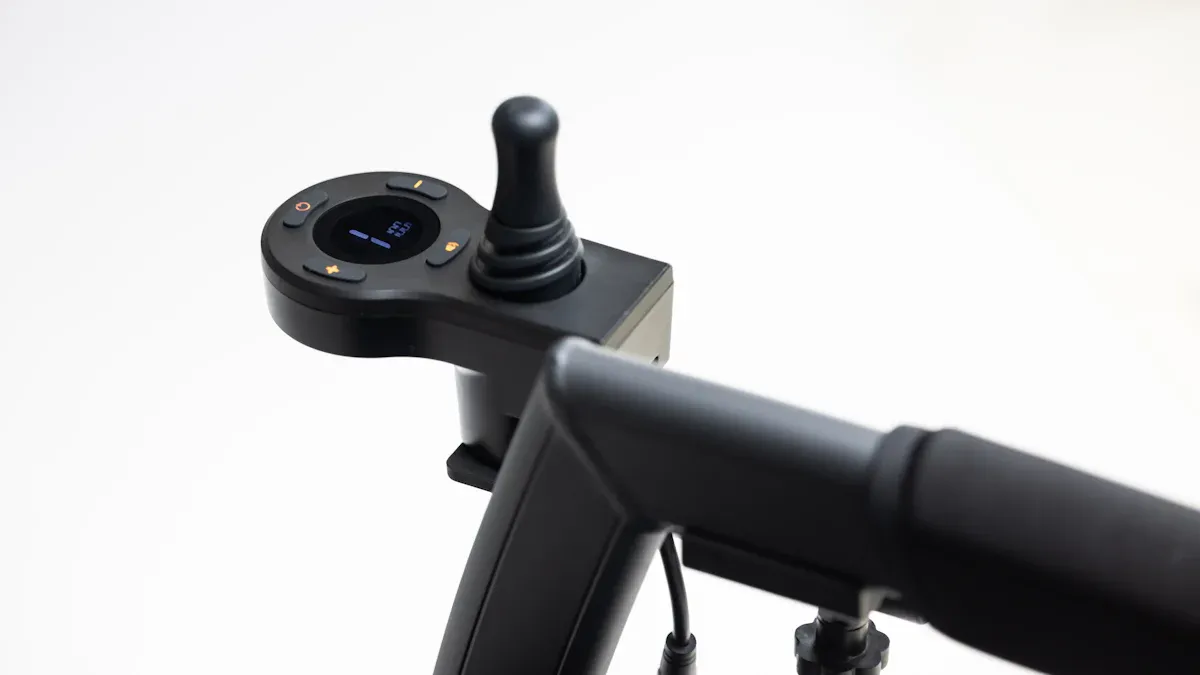
Image Source:
Smart Features
Modern dme power wheelchairs now include advanced smart features that improve safety, independence, and user accessibility. Many models use programmable joysticks, onboard computers, and adaptive motor controls. These systems help the wheelchair adjust to different terrains and user needs. Some wheelchairs offer backup cameras with night vision, giving users a clear view behind them and helping prevent accidents. , such as FlexLink, provide stability and comfort on rough surfaces.
The SanLi Care Model S300 stands out with its 3-in-1 design. This electric wheelchair combines the functions of a smart walker, a powered chair, and an e-push assist device. The S300 uses Bluetooth connectivity and a dedicated mobile app. Users can control the wheelchair remotely, monitor device status, and lock or unlock the chair with a smartphone. The S300 also features AI-driven incline detection and overspeed braking, which increase safety on slopes and uneven ground.
Smart technologies in power wheelchairs, like those in the S300, use sensors and AI to avoid collisions, prevent tipping, and connect users with caregivers. These features support independence and allow users to move with confidence.
| Feature Category | Examples of Smart Features |
|---|---|
| Controllers | Programmable joysticks, adaptive motor control |
| Chassis & Stability | Advanced suspension, omni-directional wheels |
| Seating & Adjustability | Adjustable seat height, power recline, seat elevators |
| Safety & Convenience | Backup cameras, integrated lighting, remote locking |
| Battery & Range | Long-lasting batteries, fast charging, app-based monitoring |
| Additional Smart Features | AI navigation, obstacle avoidance, Bluetooth connectivity |
User Comfort
User comfort has become a top priority in modern power wheelchair design. Manufacturers now use to support better posture and reduce the risk of sores. The SanLi Care Model S300 offers adjustable seat height and back support angles, allowing users to find the most comfortable position. Its smart rollator adapts resistance to match the user’s pace, making walking support smoother and safer.
Many dme power wheelchairs now include advanced joystick controls for easy operation. Some models allow users to control the chair with their chin or other body parts, making them suitable for people with different physical abilities. The S300’s 360° omni-directional wheel technology and two-motor drive system help users move smoothly over gravel, slopes, and small obstacles. These features increase comfort and reduce the effort needed to travel across various surfaces.
Ergonomic improvements in recent wheelchairs include:
All-terrain wheels for smooth rides
Remote operation through smartphone apps
Durable materials for long-lasting comfort
These advancements help users stay comfortable during long periods of use and support their independence.
Portability
Portability is another key area where modern electric wheelchairs have improved. Lightweight frames, foldable designs, and quick disassembly make it easier for users to transport their devices. The SanLi Care Model S300 uses aerospace-grade aluminum alloy, making the frame both strong and light. Users can fold and disassemble the S300 in just four steps, allowing for easy storage in cars, closets, or airplane cabins.
Recent innovations include rechargeable lithium-ion batteries, compact turning radii, and foldable handles. These features help users travel with their wheelchairs without needing special lifts or large vehicles. The S300’s patented front omni-wheels provide a tight turning radius of 79cm, making it ideal for small indoor spaces like elevators and apartments.
Tip: Choosing a portable wheelchair helps users maintain an active lifestyle and makes travel less stressful.
| Feature | Description |
|---|---|
| Weight and Portability | Lightweight, foldable frame, easy to carry and store |
| Attachment | Quick attach/detach for fast setup and breakdown |
| Battery | Rechargeable, long-lasting lithium-ion battery |
| Maneuverability | Tight turning radius, handles slopes and obstacles |
| Storage | Compact folding for home or travel |
Modern dme power wheelchairs, especially models like the SanLi Care Model S300, show how far technology has come. These devices combine smart features, comfort, and portability to meet the needs of today’s users. Compared to older wheelchairs, the S300 offers more functionality, better safety, and greater independence.
Future Trends
AI and Connectivity
are shaping the next generation of wheelchair technology. Designers now add AI to help wheelchairs learn from user habits and adjust performance for different environments. Many new models use , allowing real-time data sharing and . Healthcare providers can track wheelchair status, battery life, and even user health markers from a distance. This helps doctors make better decisions and gives users more freedom. The SanLi Care Model S300 already uses Bluetooth and app-based controls, showing how future mobility devices will connect users, caregivers, and healthcare teams.
User Experience
Future power wheelchair designs focus on making life easier and more comfortable for users. Companies work to improve seating with and ergonomic shapes. Adjustable seats and advanced suspension systems help users ride smoothly over bumps and rough ground. Battery technology is also improving, with longer-lasting batteries and faster charging times. Many wheelchairs now fold or come apart for easy travel and storage. These technological advancements mean users can go farther, stay comfortable, and enjoy more independence every day.
Key improvements in user experience:
AI-powered performance adjustments
Real-time health and device monitoring
Enhanced comfort with ergonomic seating
Lightweight, portable frames
Challenges Ahead
The development and adoption of advanced wheelchairs face several challenges. can limit access for many people. Strict regulations and complex insurance rules can slow down the process of getting a new wheelchair. Some , especially for children. Supply chain issues, like shortages of parts, can delay repairs and new purchases. also matter, as manufacturers look for ways to use recyclable materials and reduce waste.
| Challenge | Impact |
|---|---|
| High Costs | Limits access for some users |
| Regulatory Complexity | Slows innovation and market entry |
| Awareness and Education | Users may not know about new features |
| Supply Chain Disruptions | Delays in production and repairs |
| Environmental Concerns | Push for sustainable materials and design |
Products like the SanLi Care Model S300 point toward a future where wheelchairs offer smarter features, better comfort, and improved connectivity, helping users lead more independent lives.
The journey of the wheelchair shows remarkable progress, from . Modern designs offer , which help users gain more independence. Studies reveal that with these devices. As technology continues to advance, future wheelchairs will likely provide even greater comfort, safety, and freedom for people everywhere.
FAQ
What makes the SanLi Care Model S300 different from other power wheelchairs?
The S300 combines three devices in one: a power wheelchair, a smart walker, and an e-push assist chair. It uses smart technology, Bluetooth connectivity, and a mobile app for remote control and monitoring.
Can users travel with the SanLi Care Model S300 on airplanes?
Yes, the S300 features a lightweight, foldable frame that meets airline requirements. Users can disassemble it in four steps, making it easy to store in airplane cabins or car trunks.
How does the S300 improve safety for users?
The S300 includes AI-driven incline detection, overspeed braking, and electromagnetic brakes. These features help prevent slips and accidents on slopes or uneven ground.
What smart features does the S300 offer?
The S300 connects to a mobile app through Bluetooth. Users can lock or unlock the chair, monitor battery status, and control the wheelchair remotely. Optional GPS and video call features add extra convenience.