
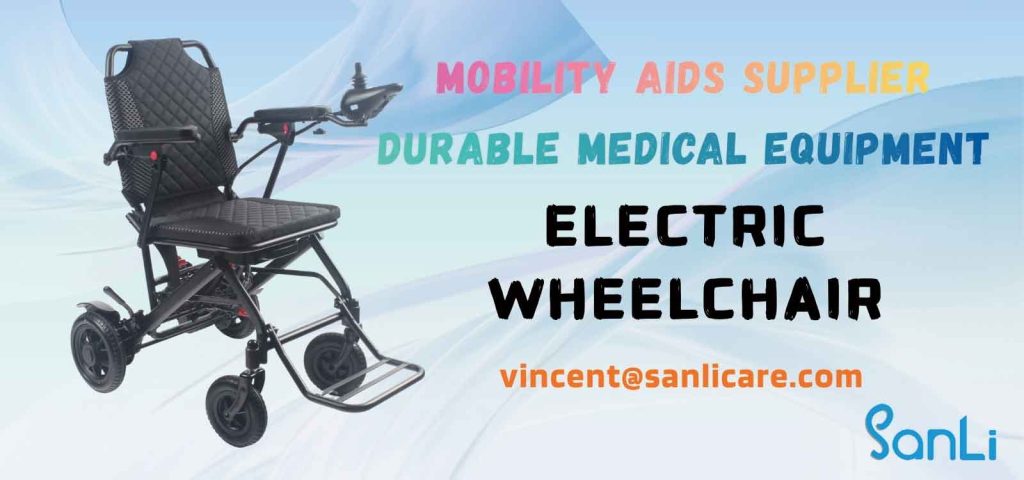
Bringing a new electric wheelchair design to market requires careful planning around mold development. This process turns your ideas into production-ready tools for plastic and metal components. In this guide, we share practical insights drawn from years of hands-on work in the durable medical equipment field. You will find clear steps, realistic numbers, and ways to avoid common setbacks that can delay launches or inflate expenses.
Key Takeaways
Mold development for electric wheelchairs typically takes 3 to 9 months depending on complexity and whether you start with prototypes or move straight to production tools.
Initial tooling investment often ranges from several thousand dollars for simple prototype molds to $50,000 or more for full production sets, though costs can be managed and often recovered through volume orders.
Early focus on design for manufacturability, clear communication with your supplier, and regulatory requirements from the start helps protect your timeline and budget.
Partnering with a vertically integrated manufacturer experienced in OEM/ODM customization and in-house tooling gives you better control, faster iterations, and reliable quality that meets international standards.
Understanding these elements empowers you as a brand owner, distributor, or wholesaler to make informed decisions that support steady business growth and customer satisfaction.
Why Mold Development Matters for Your Electric Wheelchair Business
If you are a brand owner, global trader, distributor, or wholesaler exploring new electric wheelchair models, you probably search for information on timelines and costs because you need predictable planning. You want to know how long it will take before you can place bulk orders and start selling. You also need accurate budget figures so you can calculate margins and decide whether a custom design makes sense for your market.
New designs help you stand out. They let you offer features that meet specific user needs, such as lighter frames for easier transport, better suspension for outdoor use, or improved seating for long-term comfort. However, every new shape or component usually requires custom molds for injection-molded plastic parts like controller housings, armrest pads, battery covers, footrests, and wheel shrouds. Metal components may involve stamping dies or fixtures as well.
Delays in mold development push back your entire launch. Cost overruns eat into profits. Quality issues discovered late lead to expensive rework or, worse, returns from your customers. That is why understanding the full picture helps you choose the right manufacturing partner and set realistic expectations with your own team and clients.
At SanLi Care, we have spent more than 20 years focused exclusively on wheelchairs and mobility aids. Our factory near Guangzhou combines design, tooling, production, and strict quality control under one roof. This vertical integration lets us support partners through every stage of bringing a new model from concept to finished product.
For a deeper look at the entire process from sourcing to delivery, many of our partners start with the guide to B2B electric wheelchairs wholesale procurement we prepared specifically for international buyers.
What Parts of an Electric Wheelchair Typically Require Molds?
Electric wheelchairs combine metal frames, motors, batteries, electronics, and many plastic parts that give the product its final look, feel, and user-friendly features. While the main frame is often made from welded aluminum or steel tubing using CNC cutting and robotic welding, the visible and functional plastic pieces almost always come from injection molds.
Common molded components include controller and joystick housings, armrest pads and side panels, battery trays and covers, footrests and leg rests, wheel covers and hub caps, seat pans and backrest shells in some designs, and various small clips, covers, and ergonomic grips.
Each of these parts needs its own mold or family mold. The complexity depends on shape, required tolerances, surface texture for grip or easy cleaning, and whether the part must withstand repeated use and cleaning in medical or home settings.
Step-by-Step Mold Development Timeline
Here is a realistic breakdown of the stages most new electric wheelchair projects follow. Timelines vary based on part complexity, number of new components, and whether you choose prototype tooling first or go directly to production molds.
Requirement Gathering and Concept Review (1–2 weeks) You share drawings, target specifications, intended user groups, target markets, and expected annual volume. We discuss must-have features, cost targets, and any regulatory needs for the countries where you plan to sell.
3D Design, Simulation, and Design for Manufacturability (2–4 weeks) Our engineering team creates or refines 3D models and runs computer simulations to check strength and performance. We review the design together to simplify manufacturing where possible without losing function or appearance. This step often saves significant time and money later.
Prototyping and Sample Approval (1–3 weeks) We produce 3D-printed or machined samples for you to touch, test fit, and approve. For many partners this stage takes 7 to 15 working days once designs are finalized. You can check ergonomics, folding mechanisms, and overall look before committing to expensive tooling.
Detailed Mold Design and Engineering (2–4 weeks) Tool designers create precise mold drawings, choose steel types, decide on number of cavities, and plan cooling channels and ejection systems. Medical-grade parts often require tighter tolerances and smoother finishes.
Mold Fabrication (4–12 weeks) This is usually the longest single stage. Simple prototype molds in aluminum can be ready in 2 to 4 weeks. Hardened steel production molds for higher volumes take 6 to 12 weeks or longer if the part has complex undercuts, slides, or multiple cavities.
Mold Trials, Adjustments, and First Samples (1–3 weeks) We run the new molds, produce initial samples, measure them, and make any needed corrections. You receive samples for your own testing and approval.
Validation, Performance Testing, and Regulatory Preparation (2–6 weeks) Finished products undergo static load tests to three times rated capacity, 100,000-cycle fatigue testing, drop tests, and environmental simulations. We also prepare documentation for certifications.
Total typical timeline: 3 to 6 months for modifications to existing designs or simpler new models. Full custom designs with many new molded parts often require 5 to 9 months from kickoff to approved production samples.
This structured approach aligns with the design control requirements detailed in the FDA’s Quality Management System Regulation, which emphasizes building quality into the design from the earliest stages.
Realistic Cost Breakdown for Mold Development
Costs depend heavily on part size, complexity, finish requirements, and production volume expectations. Here are current industry ranges that align with our experience:
Design and engineering fees: Usually $1,000 to $5,000 per project or 10–15% of total tooling cost. Prototype or single-cavity aluminum molds: $3,000 to $10,000 per part or family. These are excellent for market testing or low-volume launches. Production multi-cavity steel molds (H13 or S136 steel): $15,000 to $80,000+ per complex part. Larger items like seat pans or full controller housings sit at the higher end. Surface finishing and texturing: Mirror polishing or specific medical-grade textures can add 10–20% to mold cost. Total initial investment for a complete new model: Often $50,000 to $250,000+ when multiple new plastic components are involved.
Many partners choose to amortize mold costs into the unit price or arrange a prepaid mold fee that is partially or fully credited back once certain volume targets are reached. At SanLi Care we work transparently on these arrangements so you can protect your cash flow while still gaining ownership of the tooling.
Factors That Most Affect Your Timeline and Budget
Several elements can speed things up or add time and expense. Understanding them early helps you plan better.
Part geometry is the biggest driver. Undercuts, tight tolerances, living hinges, or over-molding multiple materials increase mold complexity and cost. Medical and rehabilitation products also demand excellent surface quality for hygiene and user comfort.
Production volume expectations determine whether we build a single-cavity prototype tool or invest in a multi-cavity production mold from the beginning. Higher volumes justify more cavities and more durable steel, lowering the cost per piece over time.
Regulatory requirements add structured steps. Design controls, risk management, and specific performance tests must be considered from the start.
How SanLi Care Helps You Navigate Mold Development Successfully
We build molds and fixtures in-house based on your samples or technical drawings. Our team uses advanced 3D CAD and finite element analysis to validate designs before cutting steel. Because design, tooling, and production happen in the same facility, communication is fast and changes can be implemented quickly.
We have supported many brand owners and distributors in developing custom or modified electric wheelchair models. Whether you want to refresh an existing platform with new aesthetics or create something entirely new, we guide you through material selection, DFM improvements, sample iterations, and full validation testing.
Our rigorous quality system includes incoming material checks, in-process inspections with ultrasonic and laser equipment, 100% functional testing, and random destructive testing. This approach gives you confidence that the final products will perform reliably for end users and help protect your brand reputation.
If you are comparing suppliers, our key criteria for evaluating electric wheelchairs quality in wholesale scenarios explains the specific checks that matter most for long-term success.
To see examples of our latest innovations in electric wheelchairs, visit our electric wheelchairs manufacturer page where you can explore current models and customization options.
Strategies to Shorten Timelines and Control Costs
Start with a thorough DFM review before any steel is cut. Small design adjustments often reduce mold complexity dramatically. Consider a phased approach: use prototype molds to test the market and gather real user feedback, then invest in production tooling once demand is confirmed. Choose a partner with strong project management. We provide Gantt charts, milestone photos and videos, and regular updates so you always know where your project stands. Look for opportunities to modify existing molds rather than building everything from scratch. This ODM route frequently cuts both time and cost while still allowing meaningful customization. Plan certification work in parallel with tooling rather than waiting until samples are ready. Early attention to requirements for your target markets prevents last-minute delays.
For deeper insight into current market directions that may influence your next design choices, explore our insights on electric wheelchair trends and opportunities from 2026 to 2030.
Common Challenges Buyers Face and How to Avoid Them
Many partners tell us their biggest frustrations come from underestimating part complexity or choosing a supplier based only on the lowest quoted mold price. Poor communication leads to misunderstandings about tolerances or finish requirements. Starting regulatory work too late creates bottlenecks when you are ready to ship.
You can avoid most of these issues by selecting a manufacturer with proven experience in electric wheelchairs, transparent quoting that breaks down each cost element, and a documented quality system. Ask to see examples of previous custom projects and speak directly with the engineering team before you commit.
Our practical advice on how to cooperate with Chinese electric wheelchair manufacturers shares practical tips on building a strong, long-term partnership that supports your growth.
If you prefer to begin with fast wholesale of proven popular items, check our durable medical equipments manufacturer offerings designed for quick market entry.
Ready to Move Forward with Your Next Design?
Many buyers also benefit from understanding the side-by-side comparison of manual and electric wheelchair B2B procurement before deciding where to invest in new custom tooling.
Frequently Asked Questions
How long does it usually take to develop molds for a completely new electric wheelchair model? Most full custom projects take between 5 and 9 months from initial discussion to approved production samples. Simpler updates using existing mold bases or fewer new components can be completed in 3 to 5 months. The exact time depends on the number of new plastic parts and the complexity of each one.
What is a realistic budget range for mold development as a wholesaler or brand owner? Prototype tooling for initial testing often starts around $10,000 to $30,000 total. Full production tooling for a new model with multiple molded components commonly falls between $50,000 and $200,000 or more. Many partners recover a significant portion of this investment through volume-based credits or by spreading the cost across unit pricing.
Can mold costs be recovered or offset when working with a manufacturer? Yes. Many factories, including ours, offer arrangements where part or all of the mold investment is credited back once you reach agreed purchase volumes. This approach protects your upfront capital while still giving you access to custom tooling.
What certifications or standards should I consider for new electric wheelchair designs? Key requirements usually include ISO 13485 for quality management, CE marking under MDR for Europe, FDA registration or listing for the United States, and performance testing according to the ISO 7176 series for wheelchairs. Early discussion of your target markets helps us build the right documentation and testing plan from the beginning.
Our complete export certification guide covering CE, FDA, and ISO for electric wheelchairs provides a clear roadmap for these requirements.
How does working with an experienced manufacturer like SanLi Care reduce risks in mold development? Our in-house design, tooling, and production teams work together daily. This reduces miscommunication and allows rapid iteration when samples need adjustments. We also maintain full traceability and rigorous testing protocols that align with international medical device expectations, giving you fewer surprises during validation.
Performance and safety are verified according to established wheelchair performance standards including ISO 7176-1 for static stability and ISO 7176-8 for strength and fatigue.
Is it better to start with prototype molds or go straight to production tooling? For most new designs we recommend prototype or bridge tooling first. This lets you test the market, refine features based on real feedback, and confirm volumes before committing to higher-cost production molds. It often results in a better final product and smarter use of capital.
What information should I prepare before contacting a manufacturer about a new mold project? Clear 2D or 3D drawings or detailed sketches, target dimensions and weight, intended user groups and environments, expected annual volume, target markets for regulatory purposes, and any specific features or price points you have in mind. The more complete your input, the faster and more accurate our initial proposal will be.
Our processes are built around the requirements of ISO 13485 for medical device quality management systems.
Conclusion
Developing molds for new electric wheelchair designs is a significant but manageable investment when you have the right information and the right partner. Clear timelines, transparent costs, and early attention to quality and compliance give you the best chance of launching on schedule with products that meet both regulatory requirements and end-user expectations.
At SanLi Care we are committed to being a reliable long-term partner for brand owners, traders, distributors, and wholesalers who want to grow their business in the mobility and rehabilitation market. Whether you are planning your first custom model or looking to expand an existing range, we bring deep experience, modern capabilities, and a genuine focus on your success.
For ongoing insights and additional resources, we encourage you to visit the SanLi Care blog regularly.
If you have questions about a specific project or would like a preliminary quote, please send an email to inquiry@sanlicare.com. We look forward to supporting your next successful product launch.
To expand your knowledge, check these related resources as below:
Best Heavy-Duty Mobility Scooters for Bariatric Users in 2025
Suit Lightweight Wheelchairs Ideal for Air Travel Adventures
SanLi Care – Your trusted partner in durable medical equipment and rehabilitation mobility solutions.