
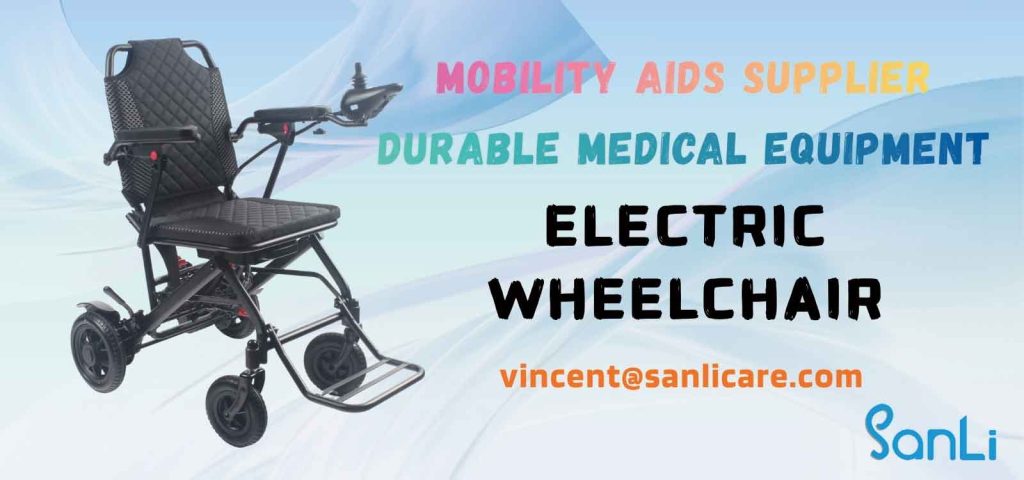
This in-depth guide explores why seating system customization is essential for bariatric and pediatric electric wheelchairs. It addresses real pain points faced by end users and B2B buyers, explains practical solutions, and shows how an experienced factory like SanLi Care delivers tailored, high-quality products that help your business stand out in the global durable medical equipment market.
Key Takeaways:
Bariatric users need reinforced, pressure-relieving seating to prevent sores and maintain stability in power wheelchairs.
Pediatric users require growth-accommodating, supportive designs that adapt as children develop.
Custom options include adjustable cushions, backs, laterals, and power tilt/recline integration for better outcomes.
Working with a factory experienced in OEM/ODM and strict quality standards reduces risks and builds long-term client trust.
Proper customization supports insurance coverage, lowers returns, and opens doors to hospitals, rehab centers, and specialized distributors.
Seating System Customization for Bariatric and Pediatric Electric Wheelchairs
When you supply electric wheelchairs to hospitals, rehabilitation centers, or individual users, you quickly learn that one size never fits all. Bariatric and pediatric users have very specific needs that standard seating simply cannot meet. That is where seating system customization becomes a game changer. It turns a basic power wheelchair into a tool that protects skin, supports posture, and gives people back their independence.
At SanLi Care, we have spent more than twenty years building electric wheelchairs and understanding what real users go through every day. We know the frustration when a chair causes pain or fails to grow with a child. We also know the relief when the right seating solution finally arrives. In this guide, we walk you through the challenges, the solutions, and how our factory can help you offer products that truly make a difference for your customers.
Understanding Why Seating Matters So Much in Electric Wheelchairs
Electric wheelchairs, also called power wheelchairs or motorized wheelchairs, give users freedom to move without pushing themselves. But the seating system is the part that touches the body for hours every day. Poor seating leads to pressure injuries, poor posture, pain, and even loss of mobility. For bariatric users and growing children, these problems become even more serious.
Many of your clients — whether brand owners, global traders, or local distributors — hear the same requests: “Can you find a chair that won’t hurt my back?” or “My child needs something that will last as he grows.” When you can answer those questions with well-designed custom seating, you become more than a supplier. You become a partner they trust.
If you want to understand the bigger picture of bringing these specialized products to market, our guide to B2B electric wheelchairs wholesale procurement explains the full process from sourcing to delivery.
Challenges Bariatric Users Face with Standard Seating
Bariatric users, those who need support for higher body weights, often deal with extra pressure on their skin, especially around the seat bones and tailbone. Standard cushions bottom out quickly. The chair may feel unstable because the center of gravity has shifted. Transfers become harder, and the risk of pressure sores rises fast. Many users also need power tilt or recline to shift weight and rest their skin during the day.
Without proper customization, these users may stop using their chair altogether. That means lost independence and higher long-term healthcare costs. When you supply chairs to nursing homes or home care providers, these issues directly affect your reputation and repeat business.
Power seating systems with tilt and recline functions often form part of the solution, especially when the chair must support heavier users safely.
Challenges Pediatric Users Face with Standard Seating
Children who need electric wheelchairs usually have conditions such as cerebral palsy or muscular dystrophy. Their bodies are still growing, so a chair that fits today may be too small or poorly positioned in six months. Many children also have trouble controlling their trunk or head, leading to slouching, discomfort, or even breathing difficulties. Standard seats lack the side supports, headrests, and pelvic positioning these young users need.
Parents often tell us how heartbreaking it is to watch their child struggle in a chair that does not fit. A well-customized seating system can help a child sit straighter, use their hands more freely, and feel more confident at school or with friends. It can also reduce the need for frequent chair replacements, which saves families and healthcare systems money.
Key Components of a Custom Seating System
A good custom seating system is never just one piece. It is a thoughtful combination of parts that work together. Here are the main elements we adjust for bariatric and pediatric electric wheelchairs:
Seat Cushions We offer layered foam, gel inserts, air flotation, and hybrid designs. For bariatric users, we select high-density foams and air cells that maintain support even at higher weights. For children, we use softer yet supportive foams that can be reshaped as the child grows. The goal is even pressure distribution to protect skin.
Backrests Solid backs or tension-adjustable backs can be contoured to match the user’s spine. Lateral supports keep the trunk stable. For pediatric users, we often add growth accommodations so the back can be raised or extended later.
Positioning Accessories These include pelvic belts, thigh supports, knee blocks, footrests with angle adjustment, and headrests. Each piece helps correct posture or prevent sliding. For bariatric users, stronger hardware and wider options prevent bottoming out.
Power Integration Many custom systems work with power tilt-in-space, recline, and seat elevation. This allows users to change position without help, which is vital for pressure relief and daily activities.
Materials and Finishes We use medical-grade, breathable, and easy-to-clean fabrics. Flame-retardant and waterproof options are available. Colors and patterns can be chosen to make pediatric chairs more appealing to children.
A simple comparison helps show the differences:
| Feature | Standard Seating | Custom Bariatric Seating | Custom Pediatric Seating |
|---|---|---|---|
| Weight Capacity | Usually up to 250 lbs | 300–500+ lbs with reinforced support | Adjusts for growth up to teen years |
| Pressure Management | Basic foam | Advanced air/gel/hybrid layers | Contoured foam with growth room |
| Postural Support | Minimal | Strong laterals and anti-thrust | Modular laterals and head support |
| Adjustability | Limited | Width, depth, angle changes | Height and depth growth features |
| Skin Protection | Basic | High-level redistribution | Gentle support to avoid sores |
How SanLi Care Approaches Seating Customization
At our factory, customization is not an afterthought. It is built into every step. We start with your specifications or the clinical measurements you provide. Our engineers use 3D modeling to create prototypes quickly. Then our in-house team handles frame modifications, cushion sewing, and assembly under one roof. This vertical integration lets us control quality and speed.
We follow strict electric wheelchairs testing and quality control standards so every custom chair meets international safety requirements. Static load tests, fatigue testing, and real-world simulations help ensure the seating will hold up for years.
When you work with us, you can choose full OEM or ODM paths. You decide the branding, colors, packaging, and exact features. Many of our partners use this flexibility to create their own signature lines for hospitals or specialty clinics.
If you are new to working with factories in China, our guide on how to cooperate with Chinese electric wheelchair manufacturers shares practical steps that lead to smooth, long-term partnerships.
Benefits for Your B2B Business and End Users
When you offer customized seating, several good things happen. Users stay more comfortable, so they use their chairs longer and report higher satisfaction. That leads to fewer returns and stronger referrals for your brand. Hospitals and rehabilitation centers prefer suppliers who can meet complex prescriptions, opening doors to larger, steadier orders.
Custom products also command better margins. They show your commitment to quality and care, which builds trust with your clients. In a competitive market, this differentiation matters.
We see strong demand for these specialized chairs across Europe, North America, the Middle East, and Asia. By adding custom seating options to your catalog, you position your business to serve more segments, from pediatric clinics to bariatric care facilities.
Looking ahead, electric wheelchair trends and opportunities 2026-2030 point to growing interest in personalized, health-focused mobility solutions. Seating customization fits perfectly into that future.
Regulatory and Quality Considerations
Any electric wheelchair you export must meet the rules of the destination country. Custom seating adds another layer because it must still comply with overall chair standards. We help you navigate this by maintaining ISO 13485, CE MDR, FDA registration, and other certifications. Our team can provide the technical documentation you need for smooth customs clearance.
When evaluating potential suppliers, it helps to follow clear steps for how to evaluate electric wheelchairs quality for wholesale. We welcome factory audits and share our testing reports openly because we believe transparency builds the strongest partnerships.
Steps to Start a Custom Seating Project with Us
Share your target market needs and any clinical requirements you have received.
We review measurements or work with you to define the specifications.
Our team creates a 3D proposal and sample for approval.
After your sign-off, we move into production with regular progress updates.
Final inspection and shipping follow our proven quality checklist.
We provide after-sales support, spare parts guidance, and training materials for your team.
This process works whether you need ten chairs or several hundred. Many of our long-term partners began with a single custom project and grew from there.
If you are comparing options between manual and powered solutions for your clients, our article on comparing manual and electric wheelchair B2B procurement offers helpful insights.
Frequently Asked Questions
What exactly is seating system customization for electric wheelchairs? It means modifying or building the seat, back, cushion, and supports to match an individual user’s body shape, weight, posture needs, and daily activities. For bariatric and pediatric users, this often includes wider frames, special pressure-relieving cushions, growth adjustments, and power positioning functions.
Why is customization especially important for bariatric users? Higher body weight creates more pressure on skin and changes the chair’s balance. Custom seating spreads weight evenly, adds stability, and often includes power tilt or recline so users can shift position and protect their skin. Without it, pressure sores and discomfort become common problems.
How does pediatric seating customization differ from adult versions? Children grow quickly and may have changing posture needs due to conditions like cerebral palsy. Custom pediatric systems use modular parts that can be adjusted or extended over several years. They also focus on gentle support, colorful options, and safety features that help children feel secure and engaged.
What materials work best for custom cushions? We commonly use high-density foam for structure, gel or air cells for pressure relief, and breathable covers that are easy to clean. The choice depends on the user’s weight, skin condition, and how long they sit each day. Hybrids often give the best balance of support and comfort.
Will customization affect the chair’s certifications or safety? When done correctly by an experienced manufacturer, custom seating maintains or even enhances safety. We test modified chairs to the same standards as standard models and ensure all added components meet relevant regulations. Proper documentation helps your clients with insurance or regulatory submissions.
How long does the customization process usually take? From initial discussion to finished product, most projects take 45 to 70 days depending on complexity and order size. Prototypes can often be ready in a few weeks for approval. We keep you updated at every stage so there are no surprises.
Is custom seating more expensive, and how does that affect wholesale pricing? Custom work does carry a higher per-unit cost than standard models, but the value is much greater. You can offer premium products with better margins. Many clients also qualify for insurance reimbursement when the customization is medically justified, which makes the chairs more accessible to end users.
How can I start offering these customized electric wheelchairs to my customers? Reach out to us with your target specifications or market focus. We will review your needs, suggest suitable base models, and walk you through the OEM or ODM options. Many partners begin by requesting samples or a small trial order to see the quality firsthand.
Why Choose SanLi Care as Your Electric Wheelchairs Manufacturer
We are not just a factory. We are a long-term partner who understands the pressures you face as a distributor or wholesaler. Our vertical integration, strict quality control, and genuine focus on customization mean you receive products that perform reliably and help your clients succeed. Whether you need reinforced bariatric seating, growth-friendly pediatric designs, or full private-label solutions, we have the experience and capacity to deliver.
Explore our latest models and customization capabilities on the SanLi Care electric wheelchairs manufacturer page. If you want to move quickly into wholesale, our hot-selling durable medical equipment collection shows proven products that pair well with custom seating options.
For even more practical advice on sourcing, quality, and market opportunities, visit our SanLi Care blog anytime. You will find guides written to help businesses like yours grow.
Conclusion
Seating system customization is not a luxury. For bariatric and pediatric users of electric wheelchairs, it is often the difference between discomfort and real independence. By understanding the challenges and offering thoughtful solutions, you position your business as a valuable resource in the rehabilitation therapy and durable medical equipment market.
At SanLi Care, we are ready to help you bring these specialized products to your customers with confidence. Our team combines deep manufacturing experience with a genuine desire to improve lives through better mobility.
If you have questions about custom seating options, current production capacity, or pricing for your next order, please send an email to inquiry@sanlicare.com for a quick quote. We look forward to supporting your success as a valued wholesale partner.
To expand your knowledge, check these related resources as below:
Thank you for reading. We are here to help you deliver mobility solutions that truly matter.