
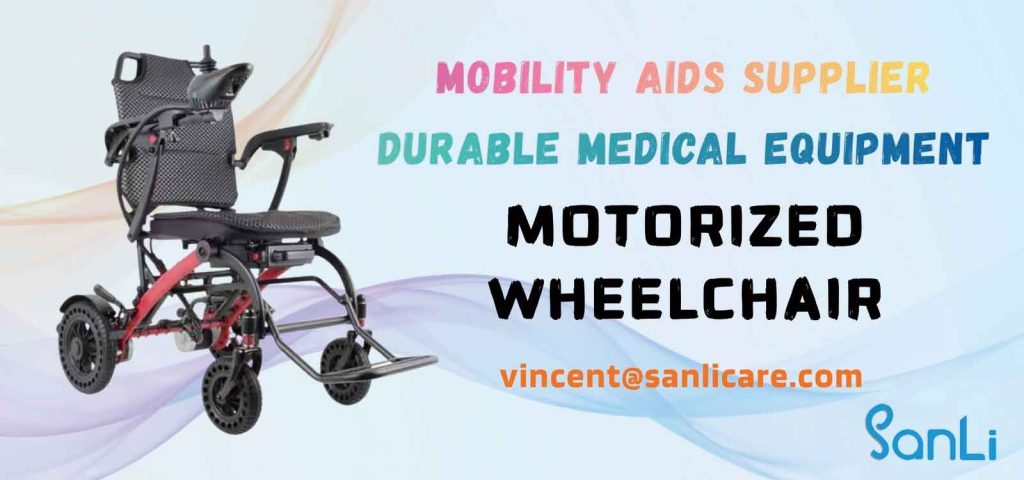
SanLi Care is a leading provider of electric wheelchairs and mobility aids, dedicated to meeting global standards and regulations. When selecting electric wheelchairs for international markets, it’s essential to ensure they come with the proper Electric Wheelchair Certificates, such as FDA registration, MDR CE mark, ISO 13485, ISO 14971, and ISO 7176-8. These certifications are required to comply with strict medical device laws in the United States, Europe, and other regions. SanLi Care offers expert guidance and premium product quality, making it easy and safe to navigate regulatory requirements. You can rely on this Blog as your trusted resource to Select Right DME Products For You and ensure full compliance with all medical device regulations.
Select Right DME Products For You
Key Takeaways
Learn about the certifications needed to export electric wheelchairs, like FDA, CE, and ISO.
Make sure your electric wheelchairs are safe and good quality by following ISO 13485 rules.
Get ready with clear technical papers for FDA 510(k) to show your product is safe and works well.
Do regular risk checks using ISO 14971 to find and handle dangers with your wheelchairs.
Use ISO 7176-8 tests to check if your electric wheelchairs are strong and safe before you export them.
Keep up with rules in each country so you do not have delays and you follow the law.
Keep all your papers neat and current to help with customs and checks from officials.
Work with skilled partners like SanLi Care to help you with the certification steps and to make sure you follow the rules.
Electric Wheelchair Certificates Overview
If you want to send electric wheelchairs to other countries, you need to know about different electric wheelchair certificates. Each big market, like the USA, EU, and other places, has its own rules for certificates. The table below shows the main certificates and what they focus on:
| Market | Certification Required | Focus |
|---|---|---|
| USA | FDA registration | Compliance with FDA regulations |
| EU | CE marking | Emphasis on CE compliance |
| Global | ISO 13485 | Standard for medical device quality management |
FDA Certification For Electric Wheelchair Export
To sell electric wheelchairs in the United States, you must follow FDA rules. The FDA puts electric wheelchairs in Class II medical devices under 21 CFR 890.3860. You have to finish a Premarket Notification, called 510(k) clearance, before you can sell or bring your products into the U.S. Customs will look for a real 510(k) clearance, which has a special K Number. Watch out for people who say you do not need 510(k) clearance, because this is not always true.
To get FDA certification, you need to make detailed technical papers. You must say what kind of motor you use, give drawings of the brakes, and show electrical plans. You also have to show test results for battery charger safety and for how the seat cover handles fire. These steps help make sure your electric wheelchair is safe and works well, as U.S. rules want.
Tip: Always keep your FDA papers current. This helps you avoid problems at customs and keeps you following the rules.
MDR CE Mark Certification & European Medical Device Regulation
To sell in Europe, you need mdr ce mark certification under the european medical device regulation (MDR). The MDR has strict rules for medical devices, including electric wheelchairs. The mdr ce mark process has several important steps:
Pick a Person Responsible for Regulatory Compliance and find out your device class.
Set up a Quality Management System (QMS), usually using EN ISO 13485.
Make CE Technical Documentation as the MDR asks in Annex II and III.
Choose an Authorized Representative in the EU and get a Single Registration Number.
If your device is above Class I, a Notified Body must check your QMS and Technical Documentation.
After you pass the check, you get your CE marking certificate and ISO 13485 certificate.
Write a Declaration of Conformity and put the CE marking on your products.
Your technical file should have a product description, how it is made, risk management file, test reports, clinical evaluation, and labels. You must also make sure your electric wheelchair is right for its use, meets all safety and performance needs, and follows label and package rules. The MDR wants you to look at risks and benefits for the user.
Note: mdr ce mark certification is not just done once. You must keep following the rules with regular checks and updates to your technical papers.
ISO 13485 Quality Management System Compliance
ISO 13485 is the world standard for quality management systems in medical devices. If you want to show you care about quality and rules, you need to use ISO 13485 in how you make things. This standard helps you control every part of making your product, from design to delivery.
The main parts of ISO 13485 are:
| Core Requirement | Description |
|---|---|
| Organisational context | Know the special things that affect your quality management. |
| Leadership | Show you care about quality and always getting better. |
| Process control | Make sure you always make and install good devices. |
| Risk management | Find and lower risks to follow safety rules. |
| Performance evaluation | Check and improve your quality management system often. |
| Customer focus | Meet what customers need to make them happy. |
| Regulatory compliance | Get ready for new medical product rules. |
By using ISO 13485, you can make sure your electric wheelchair products meet world quality standards. This certification also helps you get both FDA and ce certification, so you can sell in more places.
Tip: Doing regular checks inside your company and reviewing your work helps you keep ISO 13485 and get better over time.
ISO 14971 Risk Management Compliance
You have to manage risks when making electric wheelchairs. ISO 14971 gives a step-by-step way to do this. This standard helps you find and control risks for users. You should do these things:
Look for risks at every step of using the product.
Study each risk to see how likely and how bad it is.
Make plans to lower or stop these risks.
Check if your plans work and do not make new problems.
Write down all your risk actions and choices.
You should use ISO 14971 as your main risk guide. This keeps your products safe and meets world rules. When you follow ISO 14971, you show you care about safety and quality.
Tip: Check your risk file often. Update it if you change your product or learn new things from the market.
ISO 7176-8 Wheelchair Safety Standards
ISO 7176-8 tells you how to test electric wheelchairs for safety. You must pass these tests to show your wheelchairs are strong and safe. The main tests are for strength, impact, and fatigue. The table below shows each test and what happens if a wheelchair fails:
| Test Type | Description | Failure Classification |
|---|---|---|
| Strength Tests | Test armrests, footrests, handgrips, push handles, tipping levers with weight | Class I and Class II failures mean you need to fix or check parts; Class III means big damage and needs a major repair. |
| Impact Tests | Use a swinging tool on backrests, hand rims, footrests, and wheels | Class I and Class II failures mean you need to fix or check parts; Class III means big damage and needs a major repair. |
| Fatigue Tests | Roll over drums many times and drop from a curb many times | Class I and Class II failures mean you need to fix or check parts; Class III means big damage and needs a major repair. |
You must keep all your test records. If your wheelchair passes, you can show buyers and rule-makers it is safe and strong for daily use.
Note: Test your wheelchairs often. This helps you find problems early and keep your products good.
Other Certifications (SFDA, TUV, SGS)
Some places or buyers want more certificates. The SFDA certificate is needed for Saudi Arabia. TUV and SGS are famous companies that test and check products. They make sure your products are safe and follow world rules.
If you get TUV or SGS certificates, you show your electric wheelchairs meet tough rules. Many buyers trust these marks. They help your products sell better in the world market.
Tip: Ask your buyers which certificates they want before you ship. This helps you get the right papers and avoid waiting.
Step-By-Step Electric Wheelchair Certification Process
When you want to send electric wheelchairs to other countries, you must follow special steps for each big market. You have to meet tough rules for safety, paperwork, and following the law. This part will show you the main steps for FDA, MDR CE mark certification, and ISO 13485. If you do these steps, you can stop delays and make sure your electric wheelchair certificates work in many places.
FDA Registration & Clearance Steps
Device Classification (Class II)
First, you need to put your electric wheelchair in the right group under FDA rules. Most electric wheelchairs are in Class II for medical devices. This means your wheelchair needs more checks than Class I devices. You should look up the FDA product code and make sure you have the right group before you start.
510(k) Submission
Next, you must get your 510(k) ready. This paper shows your electric wheelchair is safe and works like other ones that are already approved. You need to add drawings, test results, and a short report about how your wheelchair meets FDA rules. The FDA will look at your 510(k) and give you a K Number if you pass. This step is very important if you want to sell in the United States.
Tip: Check your 510(k) papers carefully. If you miss something, it can take a long time to fix.
Establishment Registration
After you get 510(k) clearance, you must sign up your company with the FDA. This is called Establishment Registration. You pay a fee every year and list all the medical devices you want to send out. Keep your registration up to date so you do not have trouble at customs.
Labeling & Post-Market Surveillance
You must follow FDA rules for labels. Your label must show the right product name, who made it, and warnings. After your electric wheelchair is sold, you need a way to watch for problems. This means you keep track of complaints, tell about any issues, and update your records when needed. Good post-market checks help you follow the rules and keep people safe.
MDR CE Mark Certification Process
Device Classification Under European Medical Device Regulation
To sell in Europe, you must follow the European Medical Device Regulation. Start by putting your electric wheelchair in the right group under MDR rules. Most electric wheelchairs are Class I or IIa. The group you pick changes what you need to do for the mdr ce mark process.
Technical Documentation Preparation
You must make a big file with all the details for ce certification. This file has product info, design drawings, test results, and clinical data. The MDR wants you to show your electric wheelchair is safe and works well. You must keep this file up to date for checks and visits.
Risk Assessment (ISO 14971)
Risk management is a big part of mdr ce mark certification. You must use ISO 14971 to find and control risks. Write down all dangers, guess how bad they are, and show how you make them smaller. Keep your risk file up to date to meet MDR and ce rules.
Notified Body Audit
If your device is higher than Class I, a Notified Body must check your big file and quality system. The Notified Body makes sure you follow MDR and ce certification rules. They might come to your factory and look at your papers. You must pass this check to get the ce mark.
Declaration Of Conformity
When you pass the check, you must write a Declaration of Conformity. This paper says your electric wheelchair meets all MDR and ce rules. Now you can put the CE mark on your products and send them to Europe.
Note: Look at your big file often and update it if you change your product. This keeps your ce certification good.
ISO 13485 Implementation Steps
QMS Setup
You need a strong Quality Management System (QMS) to meet iso 13485 rules. Start by drawing out your steps, setting goals for quality, and writing down how you do things. Your QMS should cover design, making, and helping customers with medical devices.
Internal Audit
After you set up your QMS, you must do an inside check. Look at each step to see if it follows iso 13485. Fix any problems you find. This gets you ready for the big check by outside people.
Certification Audit
A third-party auditor will check your QMS for iso 13485 certification. They look at your papers, talk to your team, and visit your building. If you pass, you get the iso 13485 certificate. This shows you care about quality and helps you sell in more places.
Tip: Keep all your QMS papers neat and easy to find. Good records make the check faster and help you follow the rules.
If you do all these steps, you can meet the rules for FDA, MDR, and ISO certifications. This makes sure your electric wheelchair is ready to sell and trusted by buyers everywhere.
ISO 7176-8 Testing & Compliance
ISO 7176-8 is a worldwide rule for wheelchair safety and strength. You must follow this rule if you want to sell electric wheelchairs in many countries. Buyers and rule-checkers want to see ISO 7176-8 test reports. These reports show your product is strong and safe. SanLi Care always tests electric wheelchairs using ISO 7176-8. This means you can trust the test results.
Static, Impact, Fatigue Strength Tests
You need to do three main tests for ISO 7176-8:
Static Strength Test Put weight on armrests, footrests, and push handles. This test checks if these parts can hold weight without breaking. If something bends or breaks, you must fix it before selling.
Impact Strength Test Hit backrests, wheels, and footrests with a heavy tool. This test is like a hard bump or hit. If a part cracks or falls off, you need to make it stronger.
Fatigue Strength Test Roll the wheelchair over drums and drop it from a curb many times. This test shows if the wheelchair can last a long time. If parts wear out or break, you must make them better.
Tip: Write down everything you do in each test. Take pictures, videos, and save your test results. You can show these to buyers and rule-checkers to prove your product is good.
| Test Type | What You Test | What You Look For |
|---|---|---|
| Static Strength | Armrests, footrests | Bending, breaking |
| Impact Strength | Backrests, wheels | Cracking, detachment |
| Fatigue Strength | Whole wheelchair | Wear, failure over time |
You should do these tests for every new model or after changes. If you pass all the tests, you can sell your electric wheelchairs with confidence. SanLi Care gives full ISO 7176-8 test reports with every shipment.
Other Market-Specific Certification Steps
You must check the rules for each country before you ship. Some places need extra papers or checks. For example, Saudi Arabia needs SFDA approval. Many buyers in Europe and Asia want TUV or SGS reports.
SFDA Certification: You must sign up your electric wheelchair with the Saudi Food and Drug Authority. Get your technical papers, test results, and labels ready. SFDA will look at your papers and may ask for samples.
TUV and SGS Audits: You can pay TUV or SGS to check your products and factory. They look at quality, safety, and if you follow world rules. You get a certificate if you pass their check.
Note: Ask your buyers what rules they need you to follow. Get your papers ready early so you do not have problems at customs.
You can trust SanLi Care to help with world certifications. We help you get the right papers and pass every check. This makes sending your products to other countries easy and successful.
Electric Wheelchair Documentation & Technical Requirements
When you want to send electric wheelchairs to other countries, you need to gather the right papers for each certification. Good papers help you pass checks, avoid waiting, and make buyers trust you. SanLi Care checks samples and quality to make sure every paper is good for world rules.
FDA Documentation Checklist
Device Master File
You need a Device Master File for each electric wheelchair model. This file has all the important details about your product. You should put in:
Drawings and product details
List of all parts and materials
Steps for putting it together
How you test and the results
How you check quality
A full Device Master File shows the FDA you control how you design and make your product.
510(k) Submission Documents
For the 510(k) paper, you must collect proof your wheelchair is safe and works like others that are already allowed. Your 510(k) file should have:
What the device is and how it is used
How it is like another legal device
Test results for things like battery, motor, and fire safety
Reports for electrical safety and EMC
Labels and instructions for users
Check every paper to make sure it is right before you send it. If you miss something or it is not clear, you might have to wait a long time.
Labeling & Instructions
The FDA wants labels that are easy to read and correct. Your labels must show:
The product name and model
The maker’s name and address
Warnings and things to watch out for
How to use it
You should also put a user manual with every shipment. This book helps people use the wheelchair safely.
MDR CE Mark Documentation Checklist
Technical File
You must make a Technical File for CE marking. This file proves your wheelchair is safe and works well in Europe. Put in:
What the product is and its details
Drawings and photos of the design
How you make the wheelchair
Test results and certificates
Update this file if you change your product.
Clinical Evaluation
A clinical evaluation shows your wheelchair is safe for people. You need to collect:
Data from tests or studies
What users or doctors say about it
Reports about any problems or side effects
Look at this data often to keep your product safe.
Risk Management File
You must make a Risk Management File using ISO 14971. This file should have:
All risks you find
How you stop or lower each risk
Notes about risk checks and updates
Keep this file up to date and ready for checks.
ISO 13485 Documentation Checklist
Quality Manual
Your Quality Manual tells about your quality system. It should include:
Your company’s quality rules
Who does what jobs
Main steps and ways of working
Check and update this manual every year.
SOPs
Standard Operating Procedures (SOPs) tell how you do important jobs. You need SOPs for:
How you make the product
How you test and check it
How you handle complaints
Clear SOPs help your team follow the rules every time.
Training Records
You must keep papers about staff training. These papers show:
Who got training
What they learned
When the training happened
Training records show your team knows how to make and check electric wheelchairs the right way.
Tip: Put your papers in folders by product and certification. This makes checks faster and helps you find what you need quickly.
ISO 7176-8 Test Reports
You need ISO 7176-8 test reports to show your electric wheelchairs are safe. These reports prove your wheelchairs can handle daily use and tough situations. Buyers and regulators want proof your wheelchairs pass all tests. SanLi Care gives full ISO 7176-8 test reports with every shipment. This makes exporting easier for you.
ISO 7176-8 has three main tests:
Static Strength Test: This test checks if armrests, footrests, and push handles hold weight without bending or breaking.
Impact Strength Test: You must show backrests, wheels, and footrests can survive sudden hits or bumps.
Fatigue Strength Test: This test proves your wheelchair lasts through rolling and drops, like years of use.
Your ISO 7176-8 test report should have these details:
| Section | What You Need to Show |
|---|---|
| Test Method | Explain how you did each test |
| Test Results | List measurements and what happened |
| Failure Classification | Tell about any problems and fixes |
| Photos/Videos | Add pictures or videos of testing |
| Model Information | Say which wheelchair model was tested |
Tip: Keep your test reports neat and simple. This helps buyers and regulators trust your products.
SanLi Care checks quality before shipping. Our team writes down every test step, takes photos, and records videos. You get these reports with your order. You can show them to customs and buyers. If you change your wheelchair design, update your test reports. This keeps your certification good and stops delays.
You should look at your ISO 7176-8 reports often. Make sure all details match your current wheelchair. If you find a problem, fix it and test again. This helps your customers trust you and meets world standards.
Note: If you need help with ISO 7176-8 test reports, SanLi Care can guide you and give sample templates. You can ask our team for help anytime.
Electric Wheelchair Certification Costs & Timelines
Knowing how much electric wheelchair certificates cost and how long they take helps you plan better. Each certificate has its own price and waiting time. You need to save enough money for these steps so you do not get delayed or stop your business.
FDA Certification Costs & Timeline
Application Fees
When you ask for FDA clearance, you must pay a fee. For most electric wheelchairs, the 510(k) fee is about $6,500. If you have a small business, you might pay less, around $2,600. You also pay a yearly registration fee, which is about $6,500. These fees pay for the FDA to check and list your wheelchair.
Review Duration
The FDA usually takes 90 days to check your 510(k) papers. Sometimes, the FDA asks for more details, so it can take longer. You should plan for the whole process to last 3 to 6 months. This includes getting your papers ready and waiting for approval. If you work with experts like SanLi Care, you can avoid mistakes and finish faster.
MDR CE Mark Certification Costs & Timeline
Notified Body Fees
For mdr ce mark certification, you must pay a Notified Body. The price depends on your wheelchair type and how hard it is to check. Most electric wheelchairs cost between $8,000 and $15,000 for this review. This pays for checking your technical file and quality system. You might pay more if you need translation or extra tests.
Audit Timelines
The audit for ce certification under mdr takes about 2 to 4 months. The Notified Body looks at your papers, visits your factory, and checks if you follow the rules. If you get your technical file and risk papers ready early, you can finish faster. The whole process, from start to getting the ce mark, usually takes 4 to 8 months.
ISO 13485 Certification Costs & Timeline
Implementation Costs
Setting up iso 13485 costs money for training, writing papers, and making things better. For small or medium companies, this is usually $5,000 to $10,000. This pays for teaching workers, making new rules, and updating your quality book.
Audit Fees
You also pay for a third-party group to check your work. The first audit costs about $3,000 to $6,000. Every year after, you pay less, about $2,000 to $4,000. The whole iso 13485 process, from planning to getting your certificate, takes about 3 to 6 months.
Tip: Start your certification early. Collect all your papers and test results before you apply. This helps you finish faster and saves money.
If you know the costs and how long each step takes, you can plan and save money better. SanLi Care helps you at every step, so your electric wheelchair meets all ce, mdr, fda, and iso rules.
ISO 7176-8 Testing Costs
You need to think about ISO 7176-8 testing costs when sending electric wheelchairs to other countries. This standard checks if wheelchairs are safe and strong. These tests are needed for selling in many places. The cost depends on the lab, how many models you have, and how hard the tests are. Most good labs charge $1,500 to $3,000 for each wheelchair model. This price covers static, impact, and fatigue tests.
If you test more models, the total price goes up. Some labs give discounts if you test many at once, so ask about deals. You also need to pay for shipping samples, which usually costs $200 to $500 for each unit. The price changes based on where you send it and which delivery company you use. If you want extra tests for special parts or add-ons, the cost can be higher.
SanLi Care does ISO 7176-8 testing as part of its quality checks. You get full test reports with every order. This saves you time and money. These reports help you get through customs and show buyers your wheelchairs are safe. Keep all your test papers neat and ready for checks. If you change your wheelchair design, you must test again and get new reports.
Tip: Ask your supplier for sample test reports before you buy a big order. This helps you check if the wheelchairs meet the rules and stops surprise costs.
| Testing Item | Typical Cost (USD) | Notes |
|---|---|---|
| Static Strength Test | $500 – $800 | Per model |
| Impact Strength Test | $400 – $700 | Per model |
| Fatigue Strength Test | $600 – $1,200 | Per model |
| Sample Shipping | $200 – $500 | Per unit |
Cost-Saving Strategies
You can lower certification costs and make exporting easier by using some smart tips. These ideas help you use your money well and not waste it.
Order in bulk to pay less for each test and certificate.
Pick the best shipping way to save on delivery costs.
Follow import rules to avoid fines and waiting.
Work with skilled suppliers and shippers for better planning.
Plan your certification steps early. Get your papers ready ahead of time and keep them tidy. This stops last-minute fees and helps you pass checks easily. If you work with SanLi Care, you get help with all certificates and fast production. Their team helps you at every step and keeps you from making mistakes.
Note: Always look up the newest rules for the country you want to sell in. Knowing the rules helps you avoid big mistakes and keeps your business running well.
You can follow the rules and save money by making good choices. Use these tips to build a strong export plan and grow your business with confidence.
Compliance Pitfalls & Best Practices
Incomplete Documentation
You can have big trouble if your paperwork is not finished. Missing papers can make your shipment late or even stopped. People who check exports want to see all the details about your electric wheelchair. They look for things like test reports and user manuals. If you forget a test report or do not add a risk management file, your wheelchair might get stuck at customs. SanLi Care looks at every paper before sending products out. You should sort your files by product and by what certificate they need. Use folders and labels so you can find things fast. Check your papers before you send them. Make a checklist for each shipment so you do not forget anything.
Tip: Always check your papers twice. If you are not sure what you need, ask your supplier for sample files.
Device Misclassification
You need to put your electric wheelchair in the right group. If you pick the wrong group, you might not pass the certification. The FDA and MDR have strict rules for device groups. Most electric wheelchairs are Class II in the United States. In Europe, they are usually Class I or IIa. If you choose the wrong class, you may need more tests or checks. This mistake can cost you time and money. SanLi Care helps you pick the right class for each country. Look at the official rules for the country you want to sell in. Match your product’s features with the rules. If you do not know what to do, ask an expert for help.
Note: Picking the wrong class can make you wait longer and pay more. Always check your group before you start your application.
Regulatory Delays
Regulatory delays can slow down your plans to export. These delays happen if you miss a deadline, send in missing papers, or do not follow the rules. Customs and regulators check everything. If your papers are not ready or your product does not meet the rules, you might wait a long time for approval. SanLi Care tells you what is happening at every step. You should watch your application and answer questions fast. Get your papers ready early and keep your test reports up to date. Set reminders for when you need to renew things. If you do not hear back, contact the authorities.
| Common Causes of Delay | How to Avoid Them |
|---|---|
| Missing paperwork | Use a checklist for each export |
| Wrong device class | Confirm classification before applying |
| Outdated test reports | Update reports after any product change |
| Slow response to regulators | Reply quickly to requests |
Tip: Plan early and keep your papers neat. Getting ready ahead of time helps you avoid delays and keeps your business going.
Insufficient Post-Market Surveillance
You must watch your electric wheelchairs after selling them. Many exporters forget to do this important step. If you do not check your products, you might miss safety problems or complaints. Regulators in the US, Europe, and other places want proof that you monitor your devices. They want you to collect feedback, write down incidents, and report issues quickly.
Skipping post-market surveillance can lead to recalls or fines. Customers may stop trusting your brand. You could miss updates that make your products better. SanLi Care helps partners build strong after-sales support. Our team shows you how to get user feedback and handle complaints. We also help you keep records for audits.
You should make a simple system to track each wheelchair you sell. Ask customers to tell you about any problems. Look at these reports often. If you find a safety issue, fix it fast and tell the right people. This keeps your products safe and your business strong.
Tip: Always keep a log of customer feedback and service actions. This record helps you show compliance during audits and builds trust with buyers.
Best Practices For Compliance
You can avoid most compliance problems by following some key steps. These steps help you meet world standards and keep your business running well.
Follow ISO standards for every product. This makes your electric wheelchairs safe and reliable.
Use a risk management plan. Find possible risks and fix them before they get worse.
Pick your suppliers carefully. Only work with vendors who follow strict quality and compliance rules.
Plan regular audits and checks. Look at your manufacturing process and papers often to catch problems early.
SanLi Care helps you at every stage. Our team checks each wheelchair before shipping. We help you set up risk management and quality systems. We also train your staff so they know how to follow the rules.
Note: Staying compliant is not a one-time job. Review your processes and documents often. Update your systems when standards change or when you launch a new product. This habit keeps your business ready for any audit or market change.
By using these best practices, you can build a strong reputation and grow your business in global markets. Compliance shows you care about safety and quality, making your products more attractive to buyers and regulators.
Strategic Tips For Electric Wheelchair Exporters
Market-Specific Compliance Strategies
Every country has its own rules for electric wheelchair exports. You need to change your plan for each place. Europe wants high standards and cares about the environment. Germany likes new technology and strict rules for making things. The United Kingdom wants digital changes and new tech. France and Nordic countries care about green rules and high-tech features.
Here is a table to help you plan for each region:
| Region | Compliance Focus | Key Strategies |
|---|---|---|
| Europe | Strong standards, sustainability | Make high-quality wheelchairs and use good factories |
| Germany | Technical innovation, strict manufacturing | Get trusted certificates and follow all rules |
| United Kingdom | Digital transformation, new technology | Spend money on research and make special products |
| France & Nordics | Environmental compliance, high-tech integration | Add eco-friendly parts and make wheelchairs work in many countries |
Always check the newest rules for each country. Work with local people who know the laws. This helps you avoid mistakes and keeps your business safe.
Choosing Certification Partners
Picking the right partner helps you export easily. You need someone who knows mdr ce mark certification, ce, and iso rules. Look for partners who have helped others with medical devices. Famous groups like TÜV and SGS can help with ce certification and registration.
Think about these things when picking your partner:
| Criteria | Description |
|---|---|
| Compliance Review | Make sure your partner can do ce certification |
| Certification and Registration | Get your ce certificate and register with EUDAMED |
| Risk Management | Give a risk report using iso 14971 |
| Traceability Requirements | Make sure each wheelchair can be tracked with UDI |
Ask for proof and check their past work. A good partner will help you at every step and make sure you follow all rules.
Preparing For Regulatory Audits
You must get ready for audits in every country. Audits check if you follow rules like iso 13485 and FDA 21 CFR 820. You need a strong plan for quality checks. Look at your wheelchairs at every step. Keep your papers and customs files neat and ready.
Here are the main steps to get ready for audits:
| Key Steps for Regulatory Audits | Description |
|---|---|
| Compliance with International Standards | Follow iso 13485 and FDA 21 CFR 820 for selling |
| Quality Control Measures | Check your wheelchairs during making to find problems early |
| Documentation Requirements | Keep all papers and customs files tidy and up to date |
Teach your team how audits work. Practice fake audits to find and fix problems. If you stay ready, you can pass audits and grow your business.
Tip: Keep your papers neat and look at them often. This makes audits easier and helps you follow all rules.
Maintaining Ongoing Compliance
You have to keep following the rules after you get your certificates. Ongoing compliance means you do not stop checking your work. You must look at your business every day, not just when someone checks you. Check your steps, update your papers, and watch your products in the market.
Start by doing regular inside checks. These checks help you find mistakes early. You can fix problems before they get bigger. SanLi Care says to do these checks every three months. Look at your quality system, test results, and risk files. If you change your wheelchair, update your papers and test results right away.
Keep your technical papers up to date. Add new test results, user comments, and any product changes. People who check your business want to see the latest information. If you make a new model, make a new technical file and risk plan. Put your papers in neat folders. This makes checks faster and easier.
Watching your wheelchairs after selling them is important. You need to see how they work for customers. Get feedback from users and sellers. Write down complaints and fixes. If you find a safety problem, tell the right people and fix it fast. SanLi Care helps with after-sales service and training. You can use our forms to write down problems and watch how your products do.
Teach your workers often. Everyone should know the newest rules. Have training when rules change or when you make new products. Keep notes about all training. Workers who know the rules help you avoid mistakes and keep good quality.
Use a checklist to help you stay on track:
Do inside checks every three months.
Update papers after you change a product.
Get and look at user feedback every month.
Write down and fix complaints quickly.
Teach workers about new rules and steps.
Check risk files after every problem.
Tip: Set reminders for when you need to renew certificates or check for new rules. This helps you stay ready and keeps your business running well.
SanLi Care gives help all the time. Our team helps you with rule checks, updating papers, and answering new rules. You can trust us to keep your electric wheelchair exports safe and legal everywhere.
You can get electric wheelchair certificates by following simple steps and keeping good compliance habits. SanLi Care helps you with quality products and expert advice. Check this list before you send your application:
| Checklist Item | Description |
|---|---|
| Regulatory requirements | Follow US FDA, EU CE, and other country rules. |
| Quality management system | Get ISO 13485 and ISO 9001 certificates. |
| Product testing | Finish safety and performance tests in trusted labs. |
| Export documents | Make declarations and use correct labels. |
Keep your papers neat and do regular checks. Start early, learn the rules for each place, and work with others to sell in new countries. Use this guide to help you export electric wheelchairs and keep following the rules.
FAQ
What certificates do you need to export electric wheelchairs?
You need FDA registration for the USA. For Europe, you need the MDR CE mark. ISO 13485 is for quality management. ISO 14971 is for risk management. ISO 7176-8 is for safety testing. Some places also want SFDA, TUV, or SGS certificates.
How long does the certification process take?
Most certificates take three to eight months. FDA clearance takes about three to six months. MDR CE mark can take four to eight months. ISO 13485 takes three to six months. Testing times change based on the lab.
What documents should you prepare for export?
You should get technical files and test reports ready. You also need risk management files and quality manuals. SOPs, training records, and user manuals are important too. Keep all your papers neat and up to date for checks.
Can you customize electric wheelchairs for different markets?
Yes, you can ask for special features, branding, or packaging. SanLi Care can change the design, print your logo, or pick colors. You must tell them what you want and what rules your market has.
What is the minimum order quantity (MOQ)?
The smallest order is 100 units for each item. You can put up to four models in one container. You can order samples first to check before buying a lot.
How do you ensure product quality and compliance?
SanLi Care uses ISO 13485 rules and does strict checks. They give you full test reports with every order. You can ask for TUV or SGS to check too.
What after-sales support do you receive?
You get help with technical problems, spare parts, and warranty service. SanLi Care gives training, sales tips, and answers complaints fast. You can contact them anytime if you need help.
How quickly can I receive my first bundled order?
Stock items ship within 7–15 days. Custom bundles typically take 35–60 days depending on volume and specifications.
Conclusion: Take the Next Step Toward Smarter Procurement
Effective mobility aids procurement goes beyond placing orders—it builds lasting partnerships that support growth and deliver genuine value to end users. By applying the strategies in this guide, you can reduce risks, lower costs, and offer superior products that enhance independence and quality of life.
At SanLi Care, we are more than a supplier; we are your strategic partner in the rehabilitation therapy industry. Our wheelchairs, walkers, rollators, and full range of mobility aids are designed with care, tested rigorously, and backed by professional service. Whether you need standard bundles or fully customized solutions, our team is ready to help you succeed.
To discuss your specific requirements or request a quick quote, please send an email to inquiry@sanlicare.com.
To expand your knowledge, check these related resources as below:
For more helpful information tailored to wholesalers and distributors, visit our SanLi Care blog.
Thank you for reading. We look forward to supporting your business success with reliable, high-quality mobility aids.